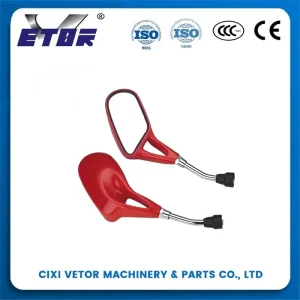
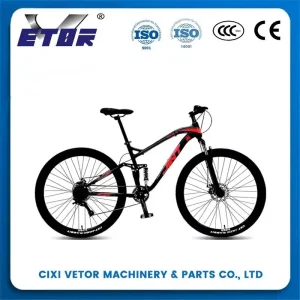
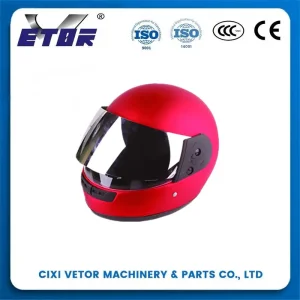
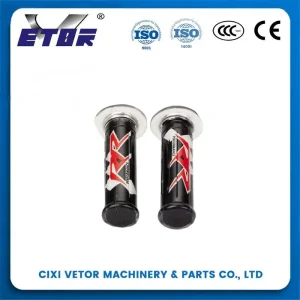
Discover our primary selection of export-grade mechanical products designed for precision, long service life, and severe operating environments.
Automotive ball joints serve as the fundamental pivot points within a vehicle's suspension geometry. Functioning as the critical interface connecting the control arms to the steering knuckles, these components undergo intense multi-axial stress cycles during daily vehicle operations. A high-performance automotive ball joint must simultaneously withstand radial loads, axial forces, and torsional moments while maintaining smooth angular articulation to ensure steering accuracy, passenger safety, and chassis stability.
As vehicles progress towards heavier battery structures in Electric Vehicles (EVs) and demanding driver-assist steering patterns, the operational requirements on suspension ball joints have risen exponentially. Today's global Tier-1 and aftermarket procurement directors prioritize sourcing ball joints that offer high tensile strength, minimal radial clearance, superior environmental sealing, and structural longevity. Achieving these characteristics requires advanced metallurgical techniques, precise heat treatment processes, and rigorous quality control protocols.
Forged from premium alloy steel (such as AISI 4140 or 40Cr), heat-treated through high-frequency induction hardening to reach optimum tensile strength and fatigue life.
Utilizing high-grade Chloroprene Rubber (CR) or Polyurethane dust boots to protect the ball stud from corrosive dust, water ingress, and road salts.
Internal synthetic ball seats constructed from Polyoxymethylene (POM) or advanced nylon-glass fiber materials minimize start-up friction torque.
The global demand for suspension components is undergoing a structural shift. Automotive manufacturers (OEMs) and major international aftermarket distributors are facing unique challenges, notably including supply chain vulnerability and the rapid transition to electric transport platforms. In this context, sourcing from China-based manufacturers is no longer merely a low-cost arbitrage strategy; it is a search for technologically capable partners offering stable, high-capacity production line options and robust raw material logistics.
Procurement teams evaluate manufacturers on five major criteria:
| Procurement Standard Parameter | OEM Specifications | Aftermarket Premium Specifications | Testing Methods |
|---|---|---|---|
| Ball Stud Material | AISI 4140 / 40Cr / 41Cr4 | SAE 1045 / 40Cr | Spectrochemical Analysis |
| Oscillating Torque | 0.5 – 2.5 N·m | 0.8 – 3.5 N·m | Torsional Torque Metering |
| Pull-Out Force Limit | ≥ 30 kN | ≥ 25 kN | Universal Tensile Machine |
| Radial Clearance Play | Max 0.05 mm | Max 0.08 mm | Clearance Dial Indicators |
| Operating Temperature | -40°C to 120°C | -30°C to 100°C | Thermal Chamber Simulation |
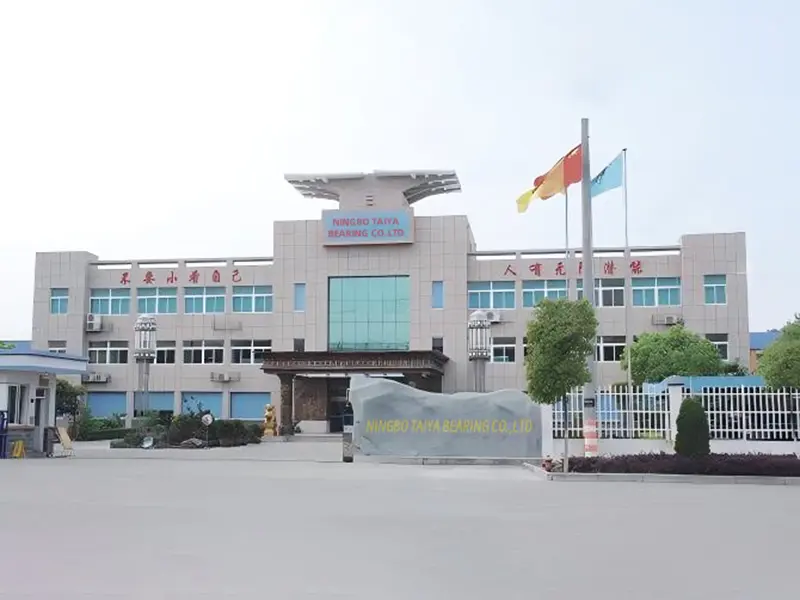
Founded in 2005, VETOR GROUP has grown into a leading comprehensive industrial and foreign trade group. Strategically headquartered in Cixi City, a key economic zone within China's Hangzhou Bay region, the group capitalizes on prime transport infrastructure. Our facility sits within a convenient 90-minute drive of both Hangzhou Xiaoshan International Airport and Ningbo Lishe International Airport. More importantly, we are situated in close proximity to two of China's primary deep-water shipping outlets: Shanghai Port and Ningbo Port. This ensures rapid logistics turnaround, reduced shipping costs, and streamlined customs clearances for our partners globally.
Our comprehensive production facility specializes in manufacturing high-precision products, including an expansive range of Bearings, Motorcycle Parts, Auto Parts, ATV and Dirt Bike parts, and Bicycle components. Operating under the rigorous guidelines of the ISO9001 international quality standard, VETOR GROUP manages to supply premium components directly to markets in Europe, Russia, South America, the Middle East, and Africa.
Our dedicated production division excels in manufacturing deep groove ball bearings and EMQ (Electric Motor Quality) grade bearings, serving as a reliable framework for our suspension joint systems.
Optimized internal raceway geometries, coupled with superfinished ball pathways, reduce running friction and eliminate high-frequency operational noise.
Constructed with dual-lip rubber seals (2RS) or metal shields (ZZ), designed to retain premium synthetic grease while keeping contaminants out.
Engineered for high dimensional stability, ensuring high performance across extensive speed ranges and temperature levels.
High-purity carbon-chromium steel (GCr15) enables high wear resistance and fatigue life under high radial and axial loading conditions.
VETOR brand bearings feature inner ring dimensions ranging from 6mm to 90mm. These components are widely integrated within domestic and international industries, including automotive steering shafts, household appliances, micro-motors, electric fans, medical equipment, and agricultural machinery.
Step inside VETOR GROUP’s advanced production units. Our manufacturing processes prioritize precision, automation, and continuous quality checks.
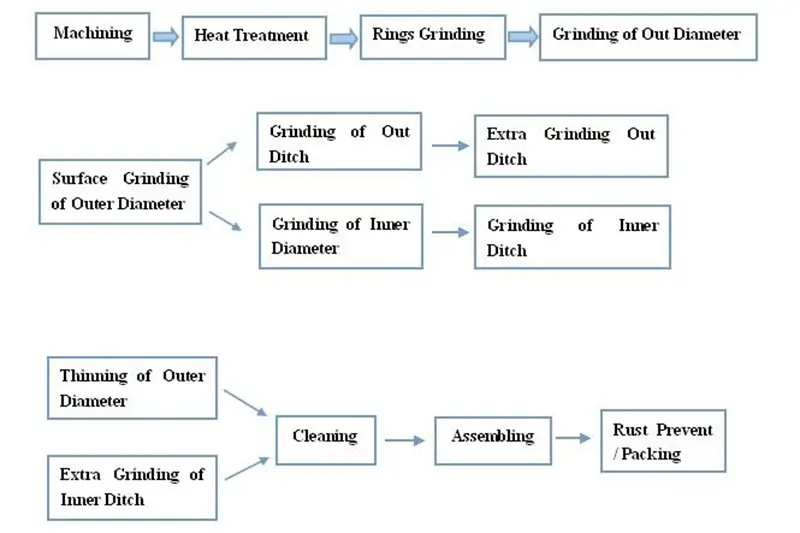
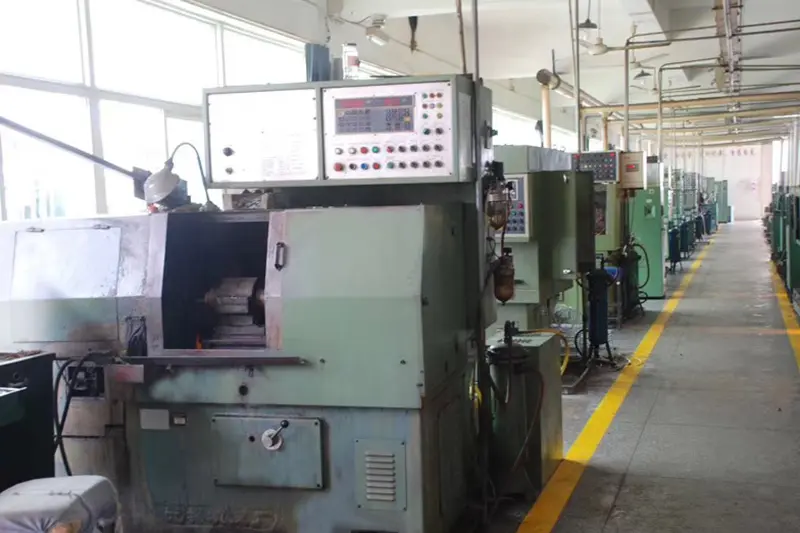
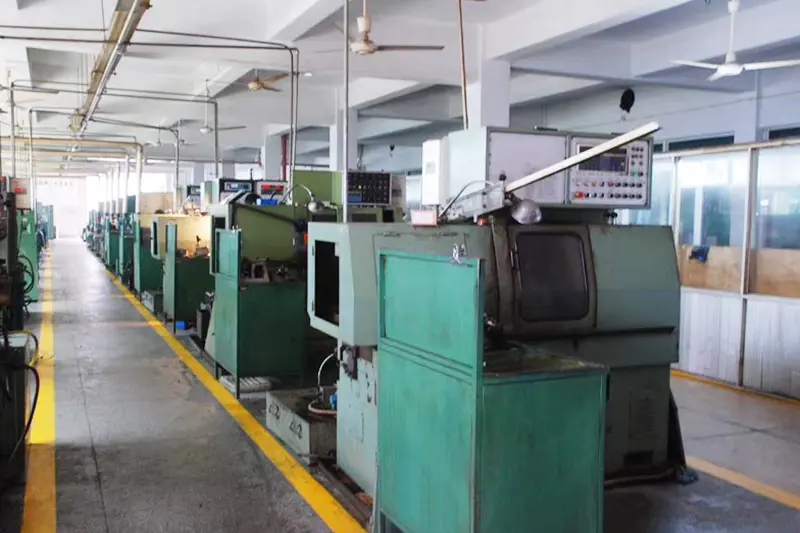
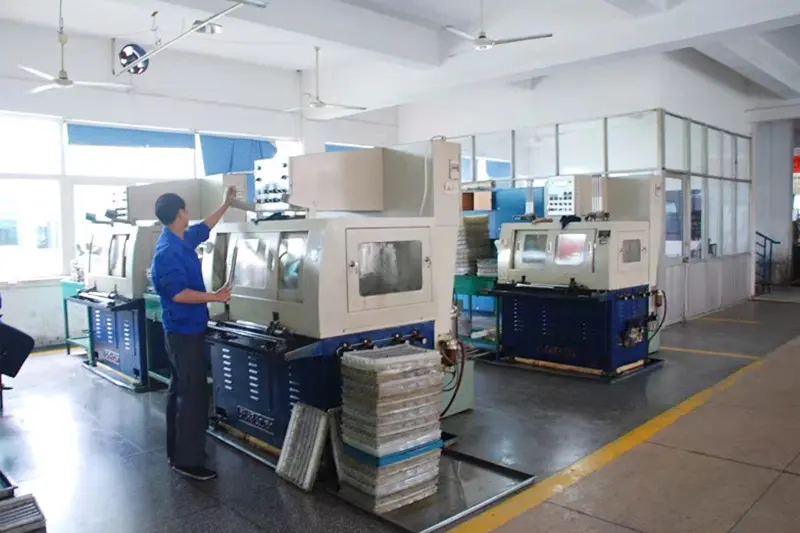
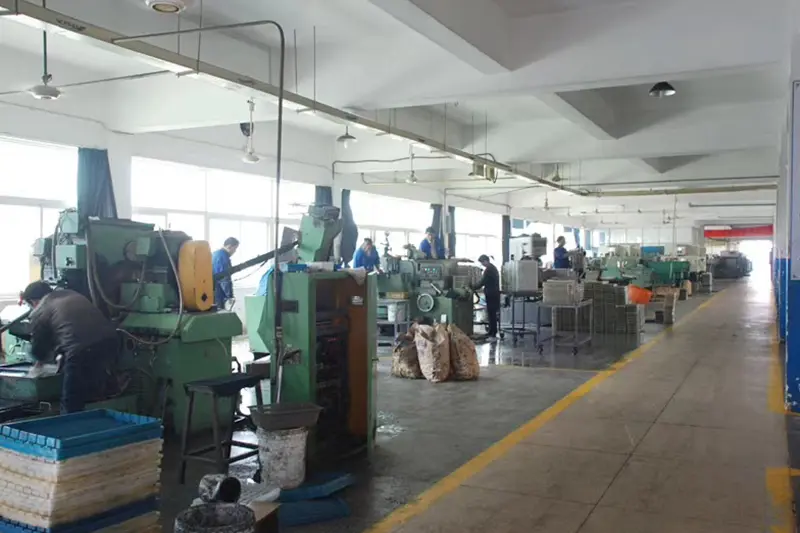
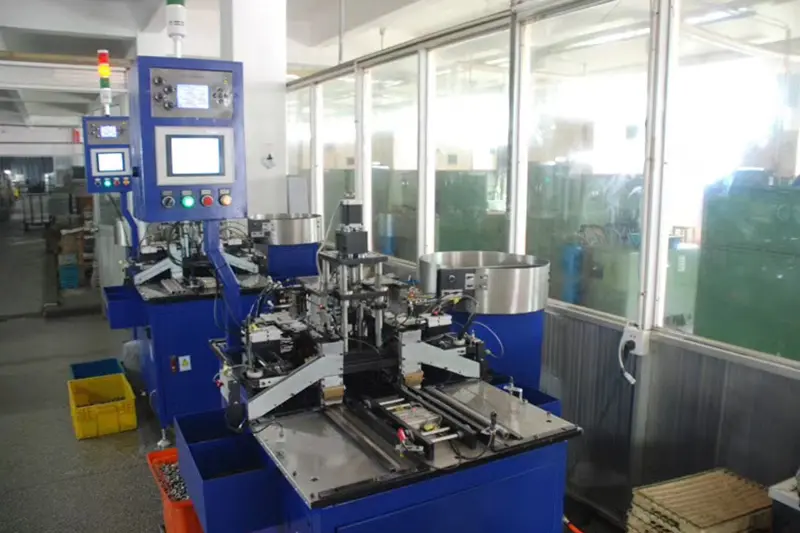
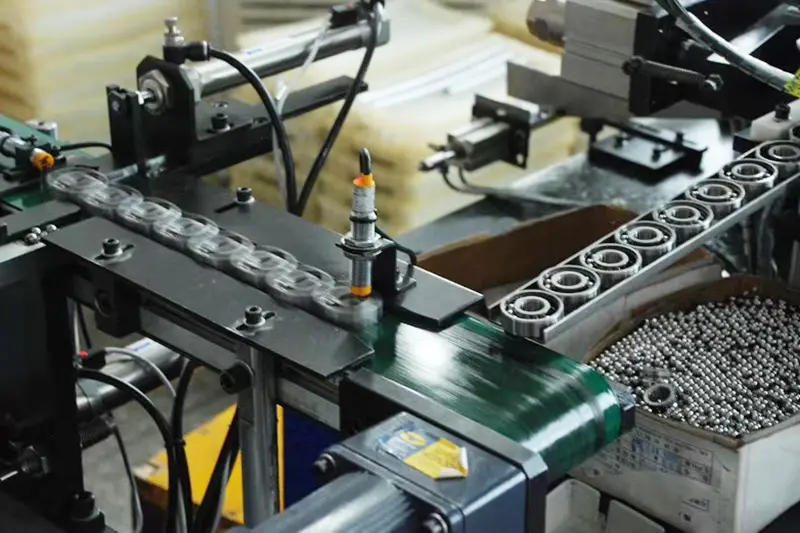
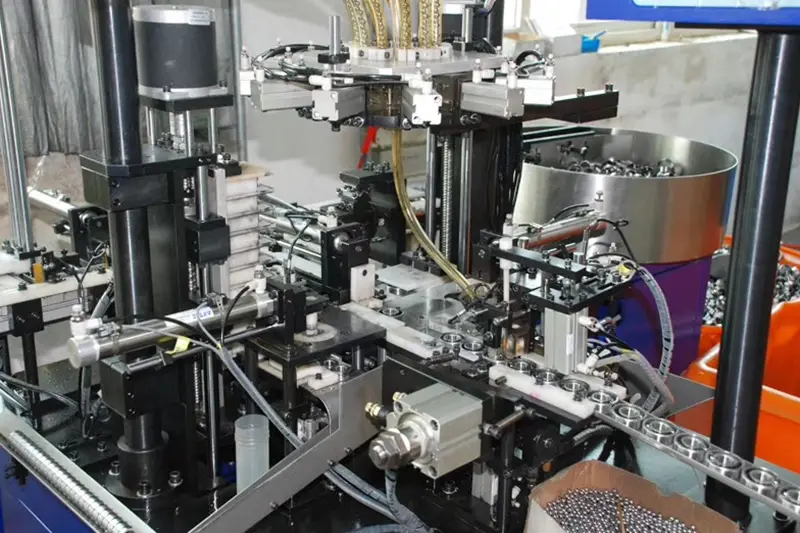
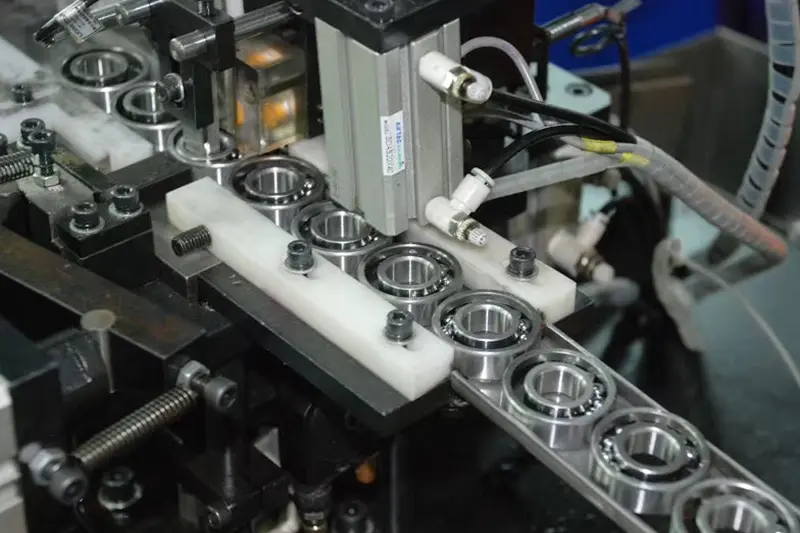
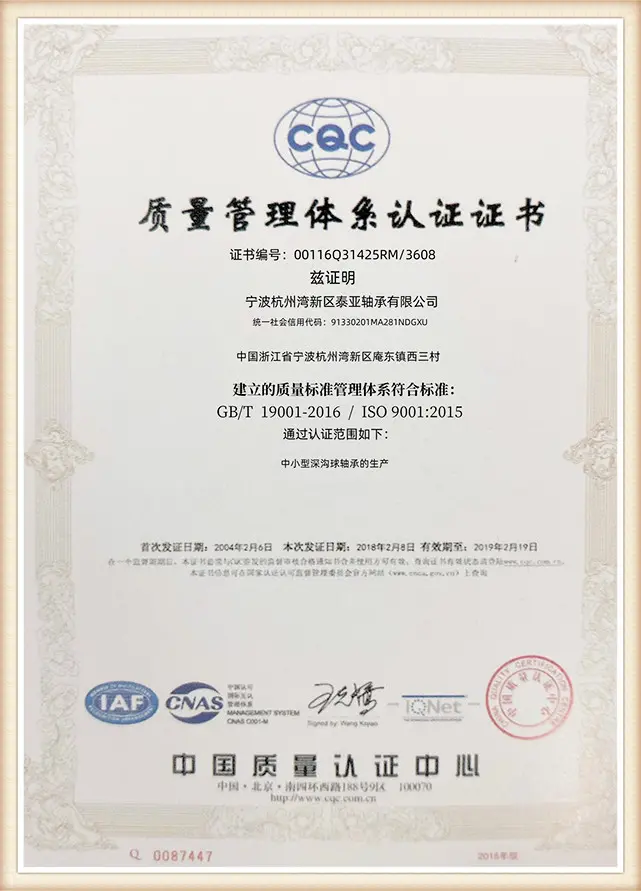
At VETOR GROUP, quality is not a variable parameter; it is the cornerstone of our manufacturing philosophy. From sourcing chemical-verified steel billets to the final robotic packaging lines, every manufacturing step is subjected to standard operations. Our processes comply fully with the ISO9001 international quality system. We execute complete material traceability, automated clearance checks, and torque consistency evaluations for all structural parts.
Our commitment to quality allows us to confidently supply both OEM partners and high-volume aftermarket distributors in highly regulated global markets.
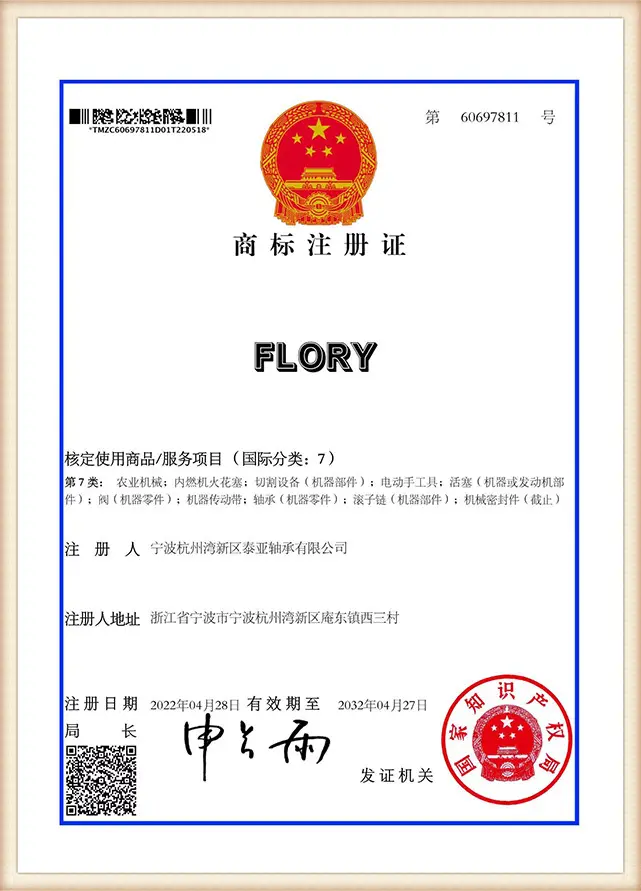
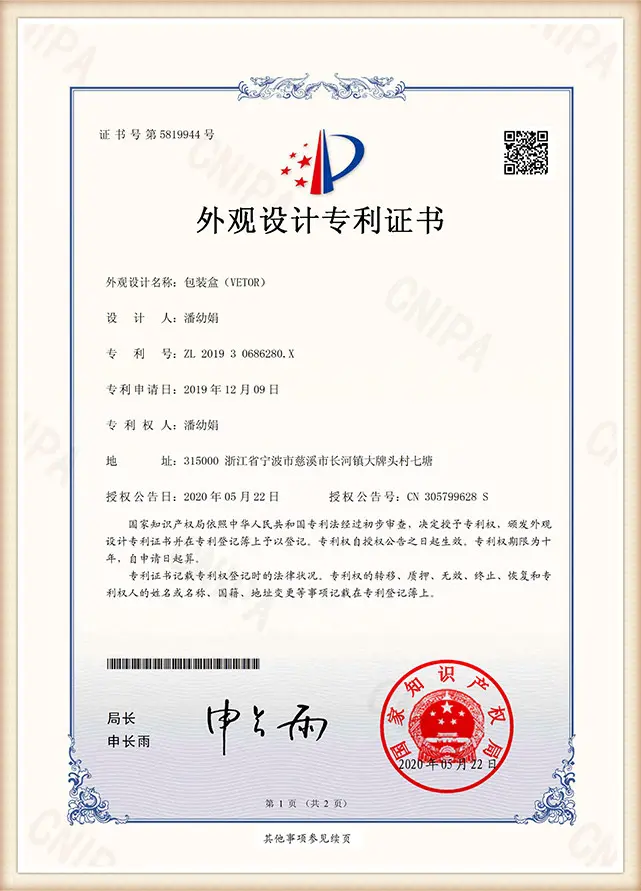
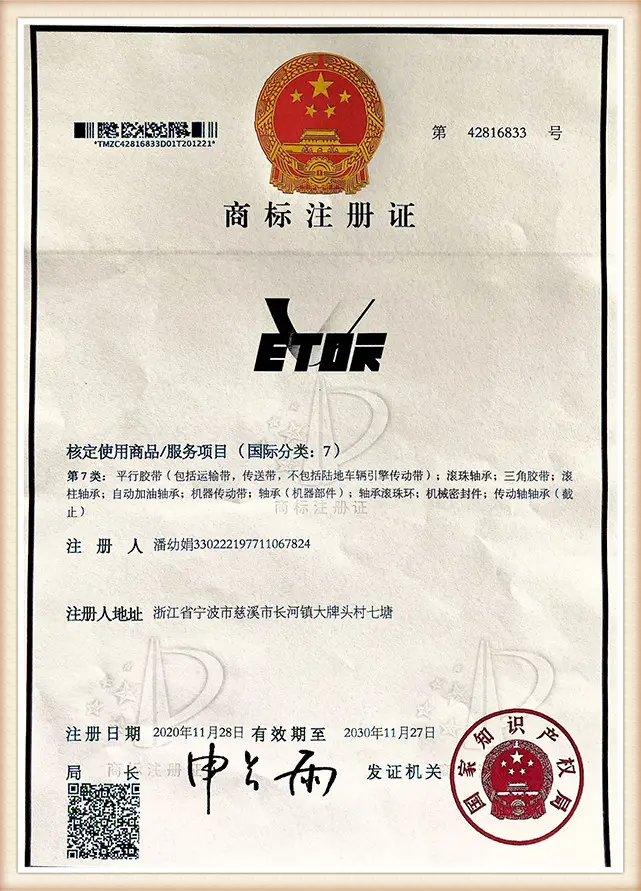
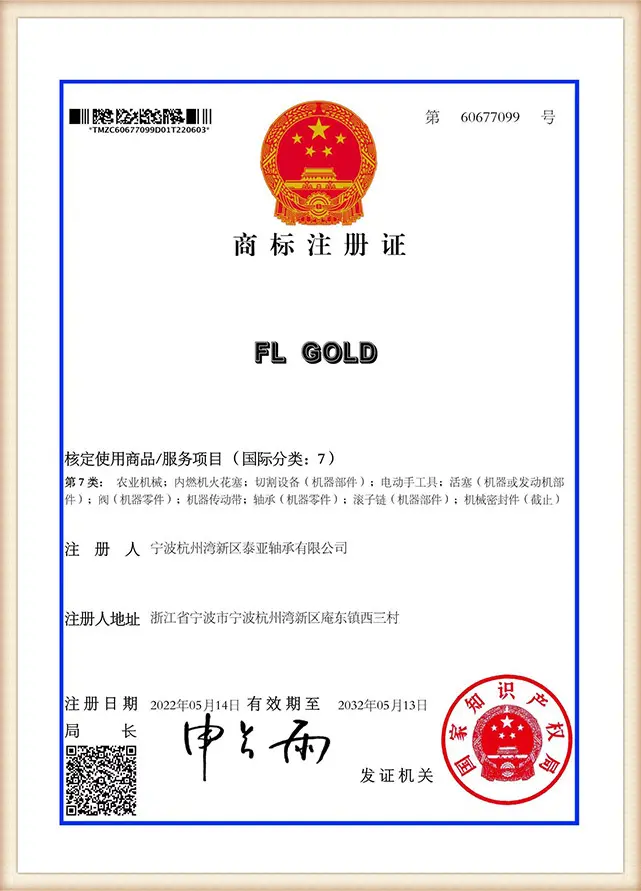
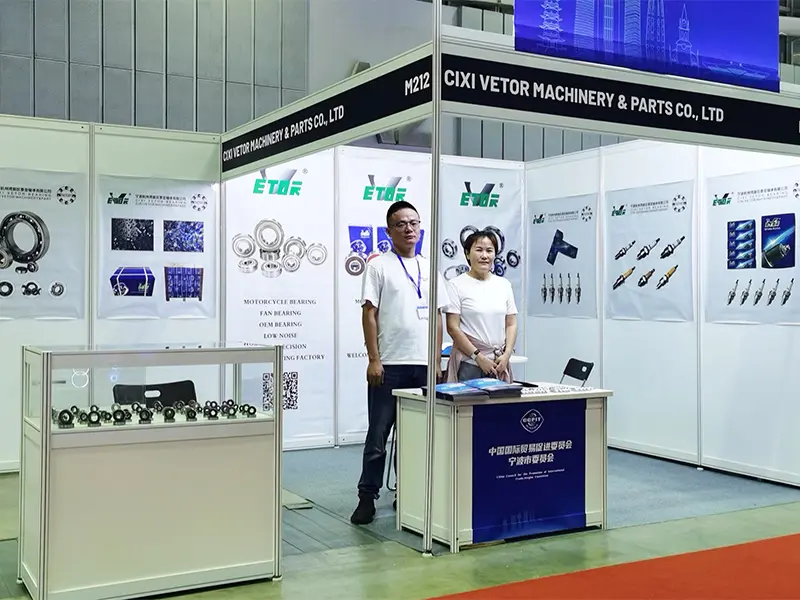
VETOR GROUP actively participates in major automotive and mechanical trade fairs, building lasting partnerships and showcasing our engineering capabilities to global buyers.
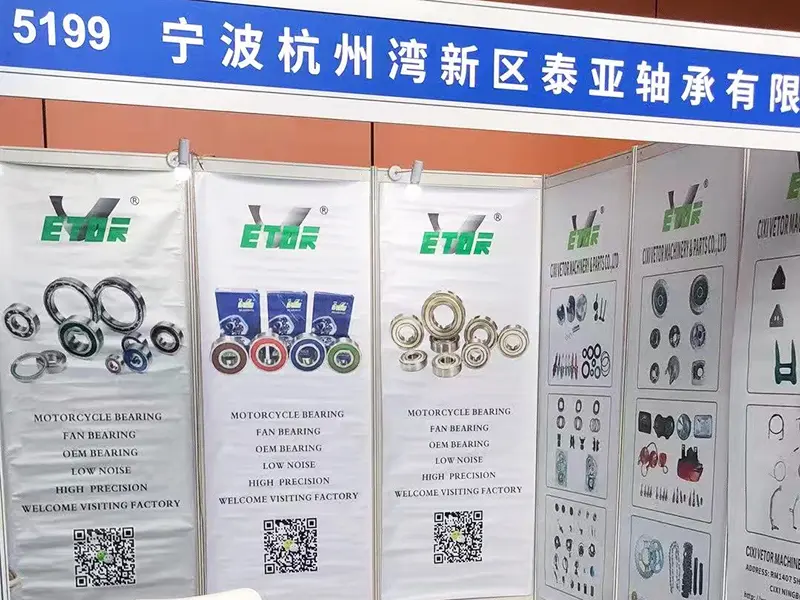
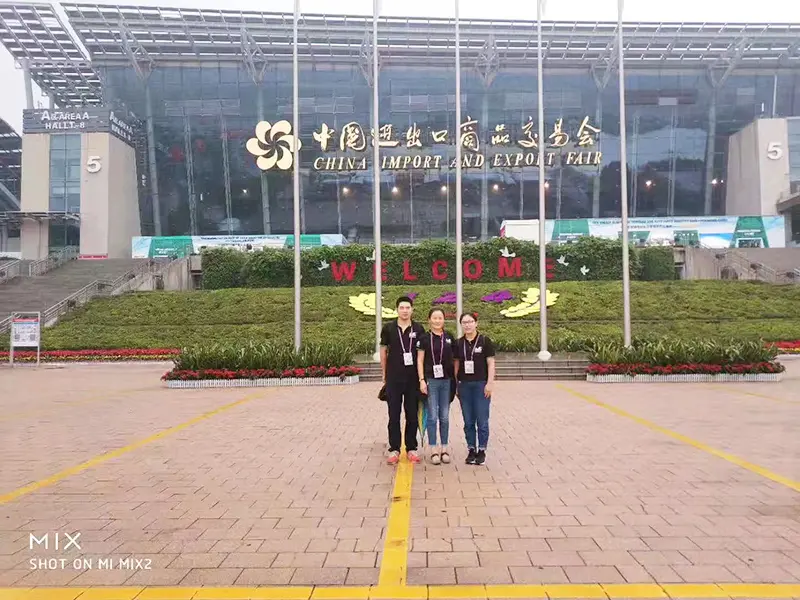
Explore how VETOR GROUP supports diverse industries through our comprehensive mechanical and automotive manufacturing capabilities.
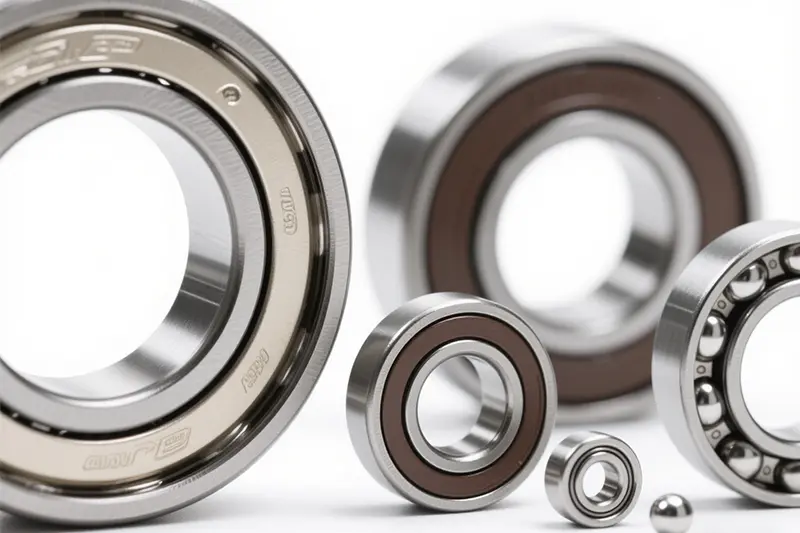
Featuring deep groove ball bearings and EMQ grade bearings (6mm-90mm) engineered for low-noise, high temperature stability, and extended fatigue life.
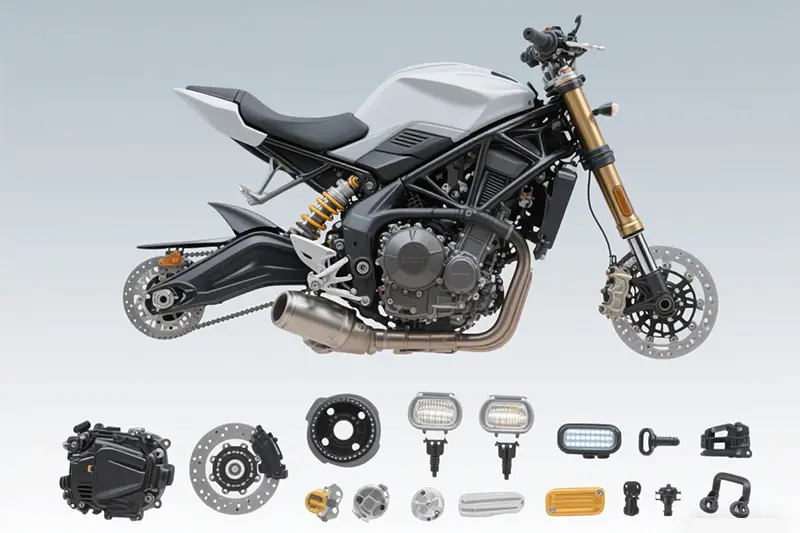
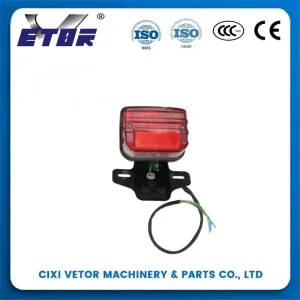
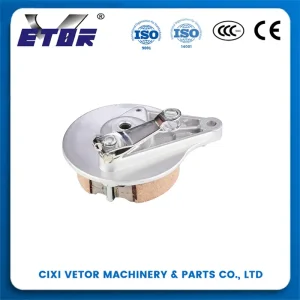
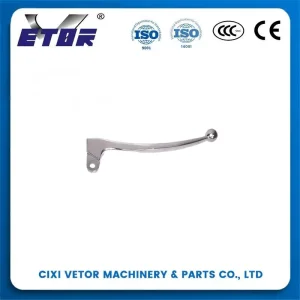
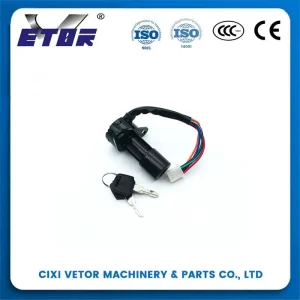
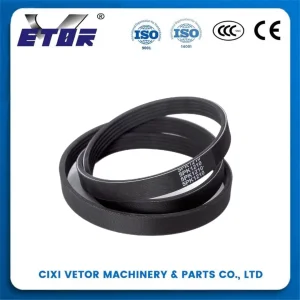
Heavy-duty drive chain systems, brake assemblies, cylinder components, and engine gaskets developed to meet OEM and high-demand aftermarket standards.
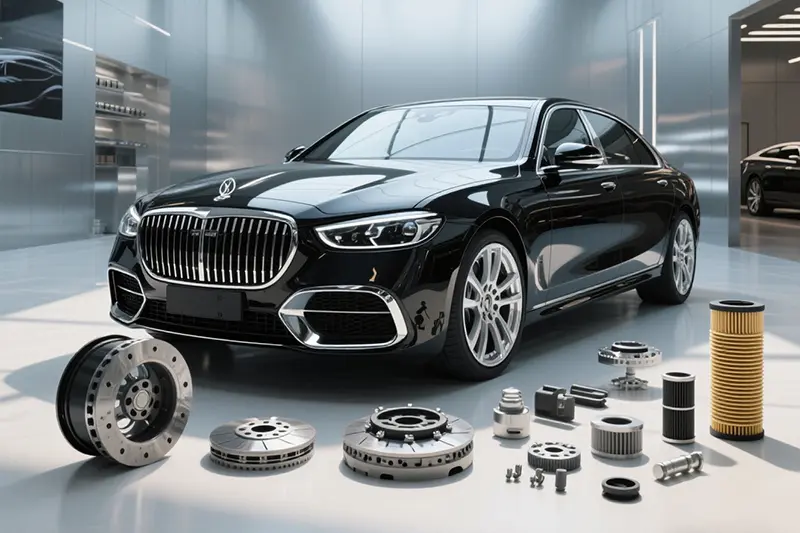
Complete steering & suspension catalog featuring ball joints, tie rod ends, control arms, and stabilizer links engineered for structural integrity.
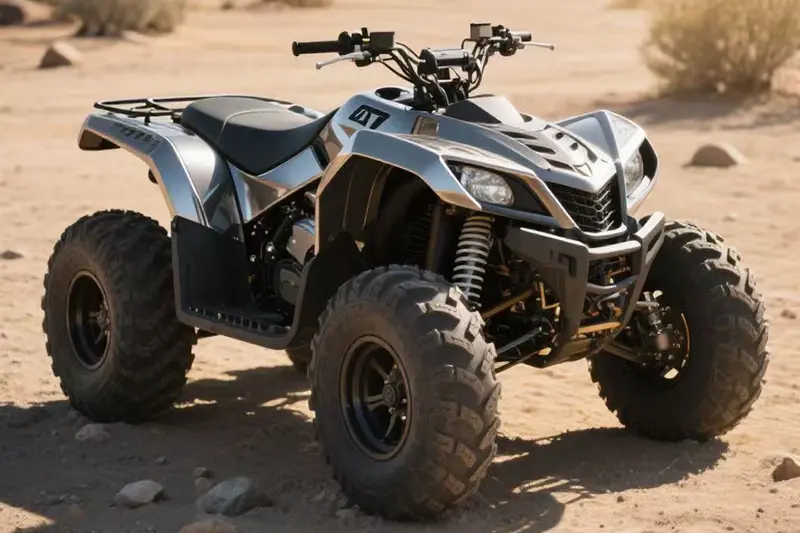
Suspension linkages, steering knuckles, drive axels, and weather-resistant electronic components designed for severe off-road load dynamics.
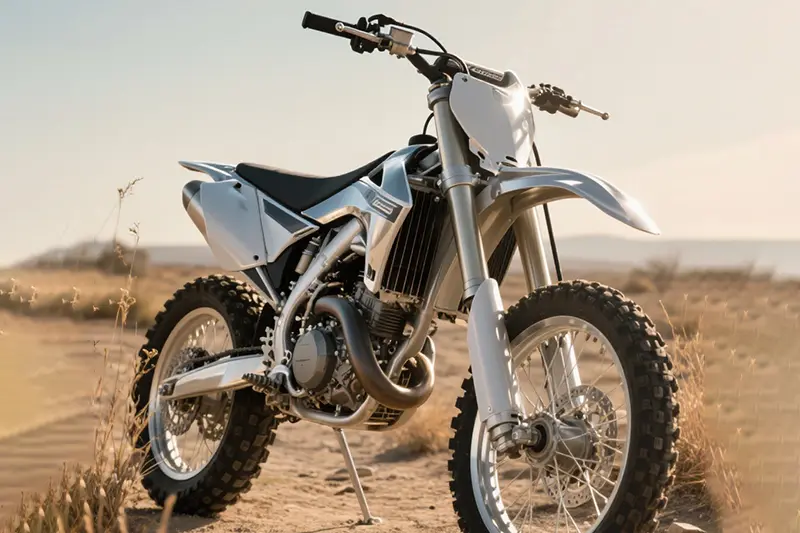
Lightweight structural frames, competition-grade suspension shock kits, sprockets, and exhaust manifolds built for extreme impacts.
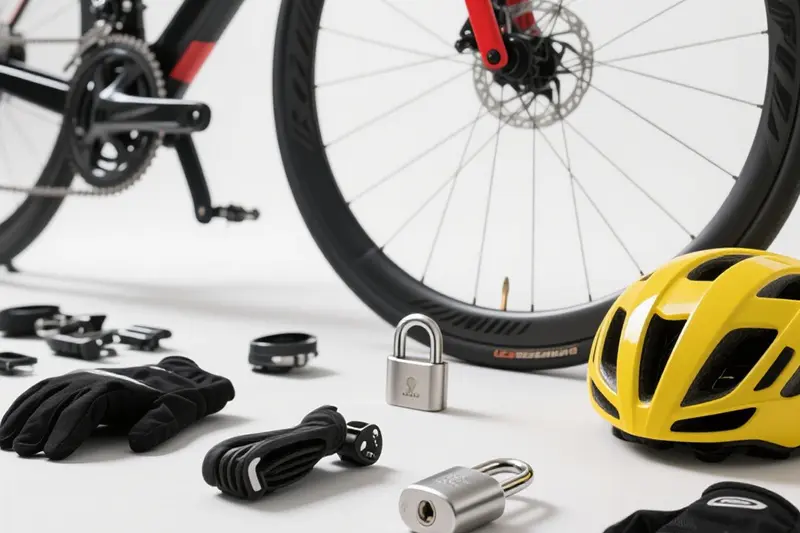
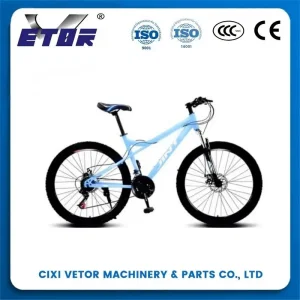
High-strength aluminum and carbon alloy frames, multi-speed oil brake groupsets, rims, and derailleur systems for professional and recreational use.
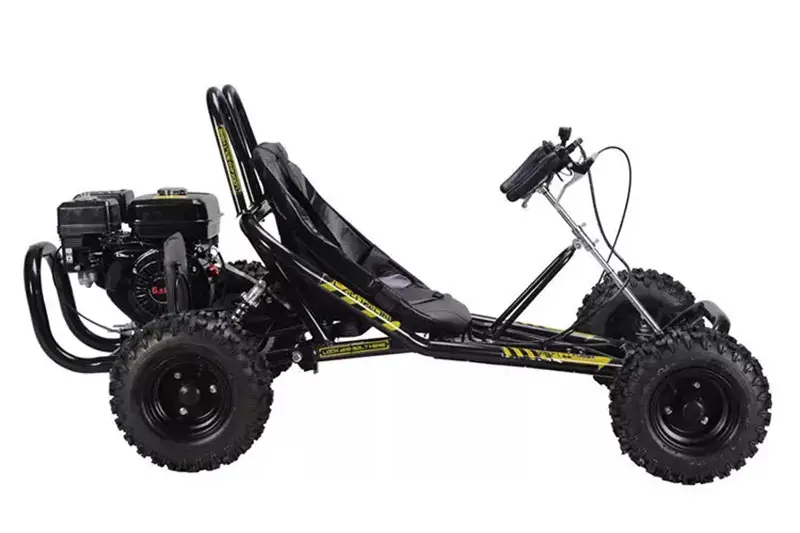
Racing-grade mechanical components, high-friction braking systems, rigid chassis shafts, and torque converters for competitive karting.
We establish long-term strategic relationships with our global customers by providing competitive technical capabilities and structured client services.

Our dedicated account team is active from 8:00 to 17:00 (UTC+8) Monday through Saturday, ensuring technical enquiries receive replies within hours.
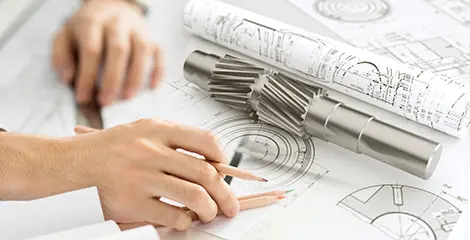
Complete support for custom dimensions, specific metallurgy, bespoke dust cover designs, private labeling, and targeted industrial packaging layouts.

We execute strict production scheduling and leverage close proximity to Ningbo & Shanghai ports to deliver your consignments on schedule.
The transition toward electric vehicles and automated driving systems (ADAS) is reshaping the design of automotive ball joints. In traditional internal combustion engine vehicles, the suspension system was designed around standard weight distributions. Electric vehicles require suspension systems that can support heavy battery packs, resulting in high static wheel loads and immediate torque applications. Sourcing directors must verify that their manufacturing partners are actively adapting to these trends.
Transitioning from heavy carbon steels to high-strength forged aluminum alloys (such as 6082-T6). This modification reduces unsprung weight, increasing battery driving range while maintaining high yield strength.
Integrating synthetic rubbers like Hydrogenated Nitrile Butadiene Rubber (HNBR). These elastomers provide superior ozone resistance and thermal stability when subjected to intense friction heating under vehicle floors.
Integrating strain gauges and angular displacement sensors directly into the ball joint casing. This integration provides real-time lateral loading data to ADAS systems, enhancing electronic stability control (ESC) performance.
At VETOR GROUP, we monitor these industry changes. By constantly refining our materials and heat treatment processes, we ensure that our mechanical systems support modern chassis platforms.
Logistical reliability is a critical differentiator in global component procurement. VETOR GROUP leverages its geographical location in Cixi, Zhejiang, to optimize supply chain workflows for global buyers.
Our proximity to the Ningbo-Zhoushan Port (the world’s busiest port by cargo tonnage) and the Port of Shanghai allows us to offer multiple container routing options. This dual-port approach mitigates local congestion issues. By maintaining deep relationships with global shipping lines, we secure priority container allocations, minimizing delays during high-demand shipping seasons. Our clients in Europe, Russia, Brazil, the UAE, Iran, Turkey, Pakistan, Bangladesh, Egypt, and Nigeria benefit from predictable transit timelines and efficient shipping processes.
Sourced from premier domestic steel mills with certified chemical and metallurgical test reports.
Utilizing high-tonnage forging presses to achieve grain structures that improve fatigue life.
Achieving consistent tolerances on ball studs, threads, and housing outer diameters.
Flexible shipping arrangements (FOB, CIF, DDP) supporting standard sea, air, and rail transport.
Find technical answers regarding ball joint engineering, manufacturing processes, quality criteria, and sourcing arrangements.
Complete catalog of replacement components, transmission parts, and outdoor equipment engineered for stability and wear resistance.
 VETOR GROUP