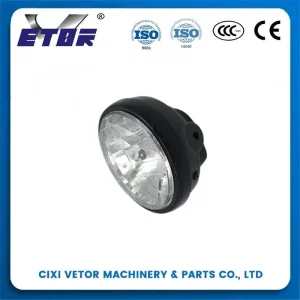
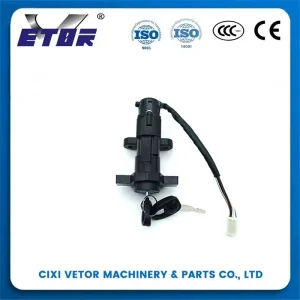
Direct access to industrial-grade components, motorcycle upgrades, and high-performance precision parts.
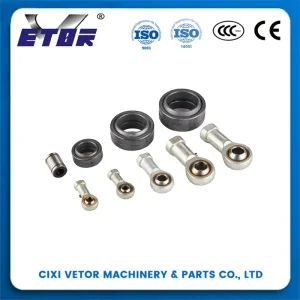
The globally integrated industrial ecosystem relies heavily on specialized mechanical transmission components. Among these, rod end bearings—alternatively known as rose joints or spherical rod ends—occupy a critical position. Serving as pivot points in mechanical linkages, these components facilitate the smooth transfer of radial and axial forces under conditions of misalignment. The current global industrial market is experiencing a profound transition characterized by high demand for self-lubricating, maintenance-free, and smart-sensor-integrated joints.
Industries ranging from aerospace engineering and motorsport suspension setups to automated packaging machinery and agricultural equipment require unique specifications. As leading rod end bearing suppliers, global manufacturers must continuously innovate in metallurgy, tribology, and precise design geometries. Environmental regulations in European and North American markets are also accelerating the transition away from traditional leaded bronze liners to advanced PTFE (Polytetrafluoroethylene) and ceramic matrices, setting new milestones in ecological and performance standards.
Modern engineering demands higher power densities and reduced structural footprints. The materials roadmap for rod end bearings reflects this direction. The outer race is typically forged from high-tensile steel, stainless steel, or aluminum alloys, depending on the load-to-weight target. However, the true differentiator lies in the sliding interface. The engineering community defines three primary sliding couples:
Looking to the future, smart sensor integration is emerging as a critical trend. Embedded IoT microsensors can monitor load parameters, track structural wear, and warn maintenance teams of impending failures. This transition from reactive replacement to predictive maintenance is revolutionizing uptime strategies in critical industries like wind power generation and high-speed railway systems.
In competitive racing, vehicle suspension dynamics must translate directly into performance. Rod end bearings serve as the linkages in control arms, anti-roll bars, and steering columns. Under high g-forces, steering responses must remain linear. Suppliers must offer zero-play components with tight tolerances to prevent compliance and geometry changes, allowing race engineers to optimize mechanical grip.
Agricultural setups operate in demanding, dirty environments. Standard bearings are vulnerable to premature failures caused by dust, water, and acidic soil inputs. Heavy-duty rod end bearings designed for tractors, harvesters, and forestry equipment feature specialized triple-lip contact seals and robust chromium steel elements to prevent contaminants from penetrating the sliding surface.
High-speed industrial automation lines rely on fast reciprocating movements. Component wear on conveyor guide rails, sorting arms, and robotic pick-and-place nodes leads to downtime. High-performance self-lubricating rod ends reduce friction, eliminate the risk of lubricant contamination in food packaging environments, and lower operating temperatures during 24/7 cycles.
Safety is the primary metric in aerospace design. Rod ends in landing gear assemblies, wing flaps, and fly-by-wire mechanics must operate in extreme temperatures (-55°C to 120°C). Precision titanium-alloy housings paired with self-lubricating ceramic matrices deliver reliability where system failures are not an option.
A comprehensive foreign trade group established in 2005, specializing in precision bearings, motorcycle upgrades, and automotive supply chains.
VETOR GROUP was founded in 2005. We are a comprehensive foreign trade group specializing in import and export operations. Our company is located in Cixi City, a vibrant economic hub in China, on the bank of the fertile and scenic Hangzhou Bay. Thanks to our strategic location, we enjoy close proximity to two of China's largest ports—Shanghai Port and Ningbo Port—as well as easy access to Hangzhou Xiaoshan International Airport and Ningbo Lishe International Airport, both only about a 90-minute drive away. This offers exceptionally convenient transportation and logistics advantages.
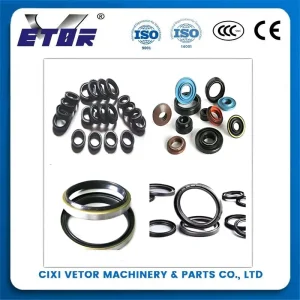
We specialize in supplying a wide range of products including Motorcycle Parts, Auto Parts, ATVs, Dirt Bikes, Bicycles, and Related Components. Committed to exceeding customer expectations, we provide diverse, high-quality products and services to help our clients thrive in a highly competitive global market. All our products are exported worldwide, and our operations are certified to the ISO9001 international standard.
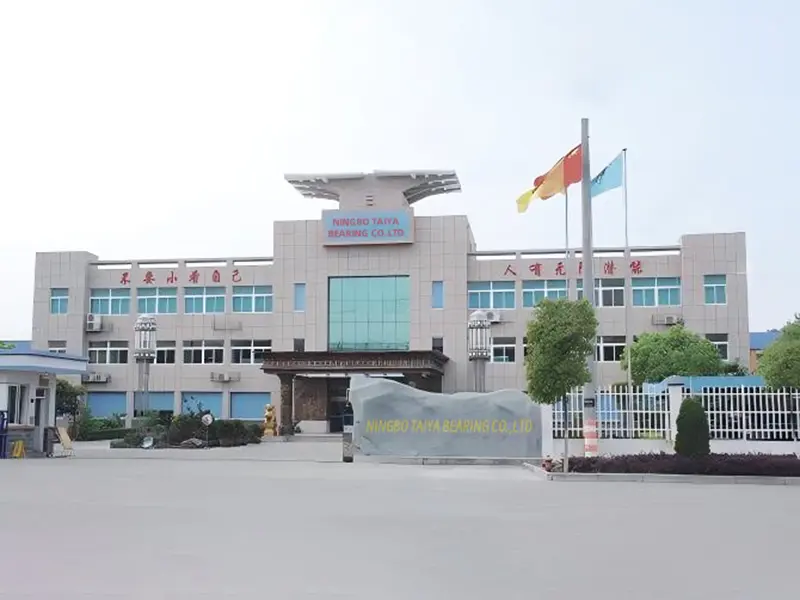
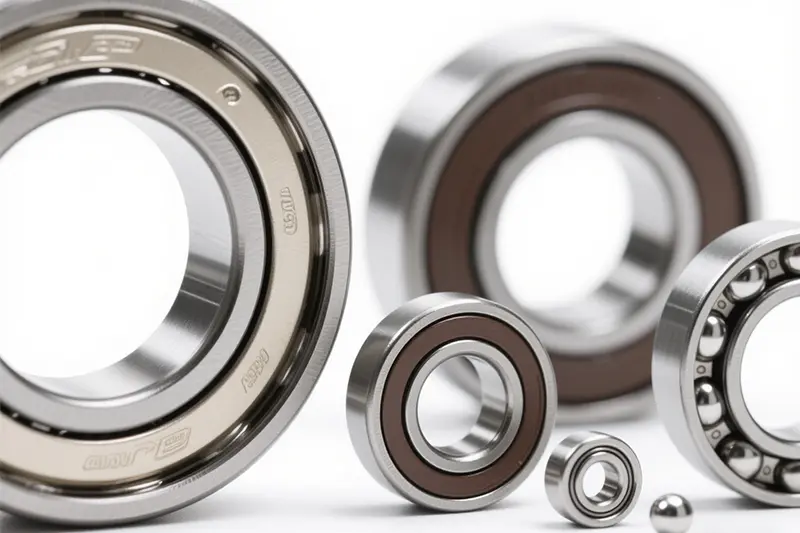
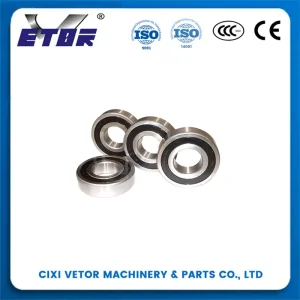
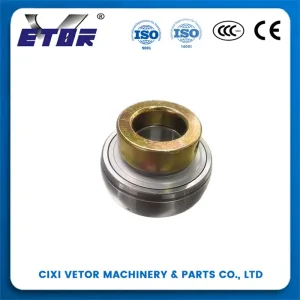
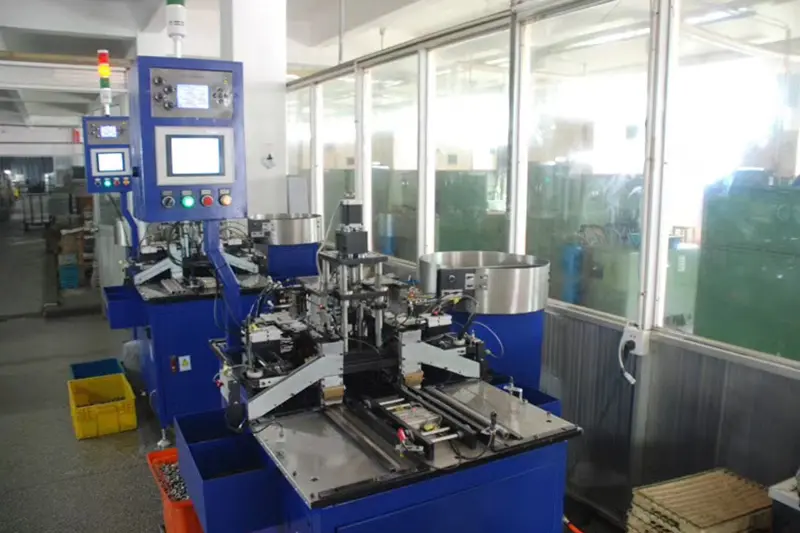
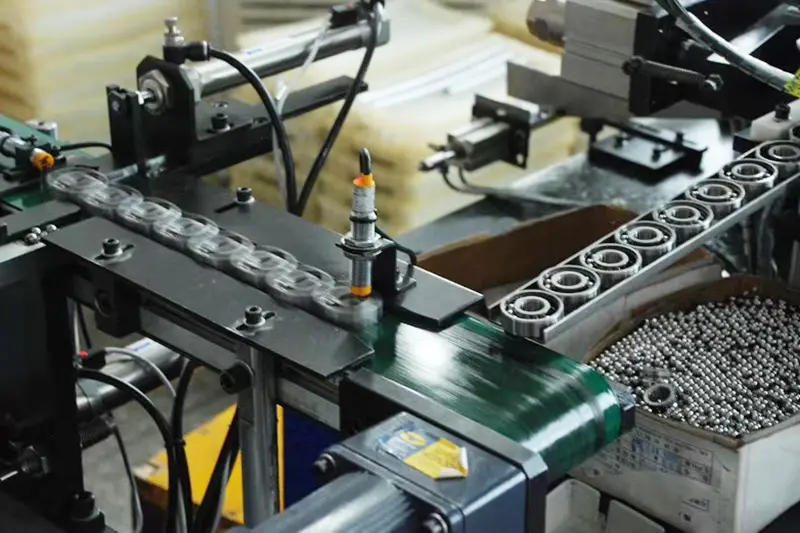
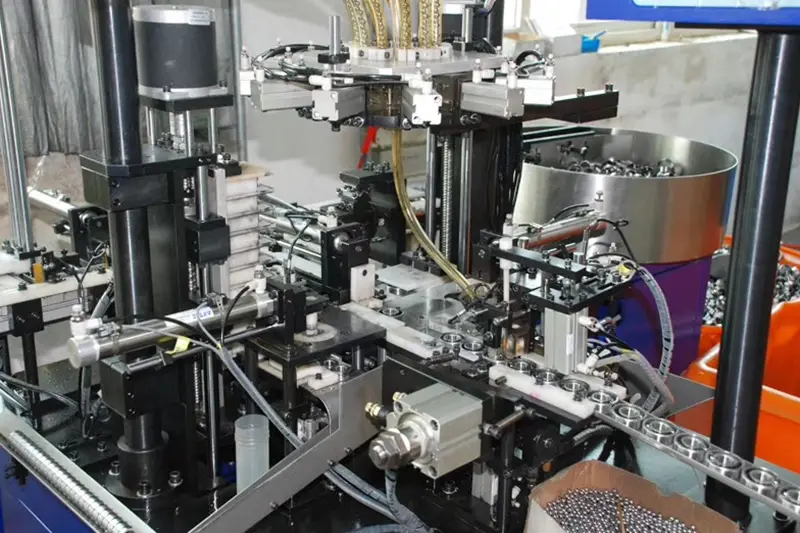
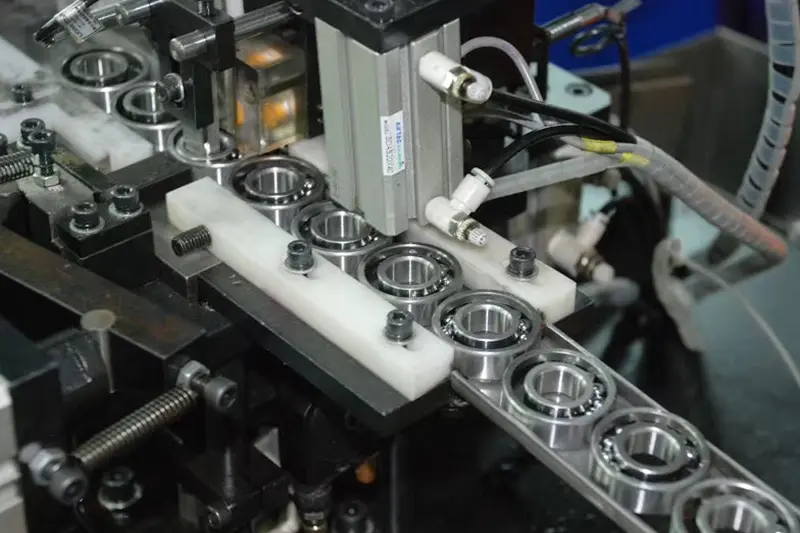
VETOR GROUP operates an in-house manufacturing facility specializing in the production of deep groove ball bearings and EMQ grade bearings, with inner ring dimensions ranging from 6mm to 90mm. We place strong emphasis on brand development, and our VETOR brand bearings are globally recognized for their:
Low noise, low vibration, and minimized operating friction for efficient energy transfer.
Tight dimensional control and sealing options to protect internal elements from contaminants.
Long operational life with optimized load distribution across both inner and outer rings.
No abnormal sounds or catches, verified by rigorous quality inspection processes.
Vetor Group manufactures and distributes premium components across multiple transportation and machinery sectors.
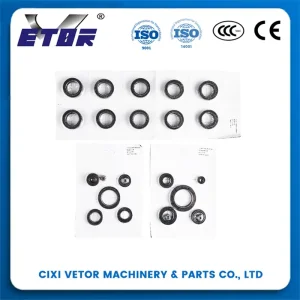
Precision deep groove ball bearings and EMQ grade bearings (6mm-90mm) engineered for quiet, low-noise industrial performance.
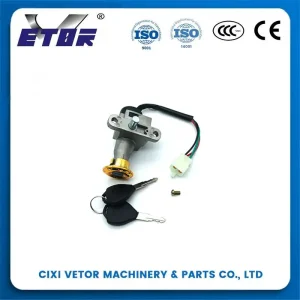
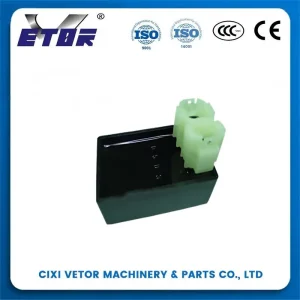
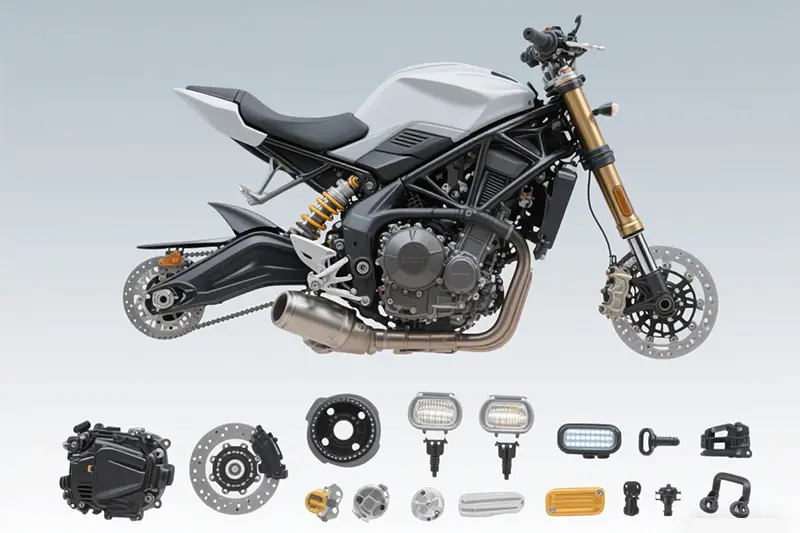
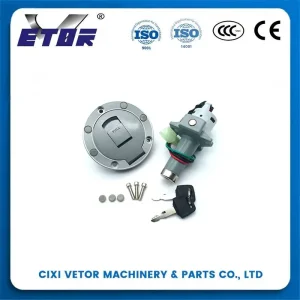
Corrosion-resistant drivetrains, braking systems, suspension kits, and high-performance headlights meeting strict OEM standards.
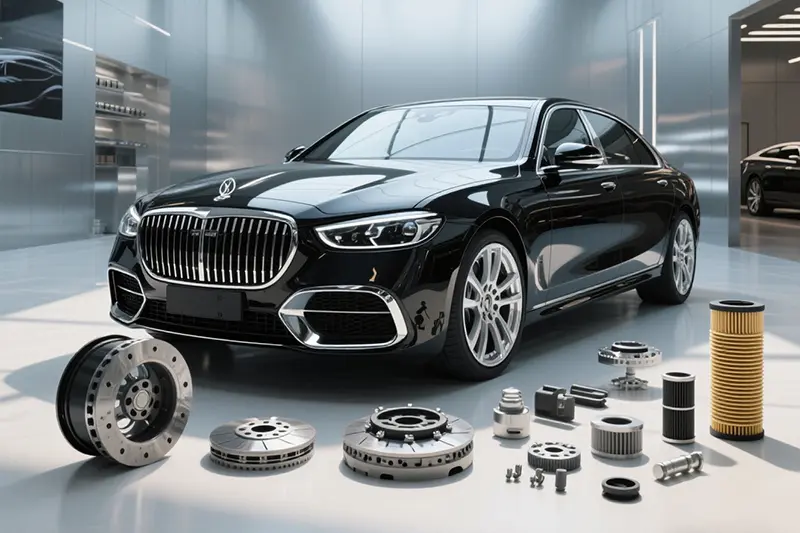
OEM-compatible suspension linkages, cooling modules, steering units, and durable replacement components.
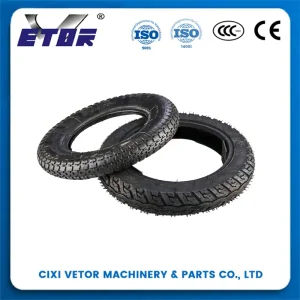
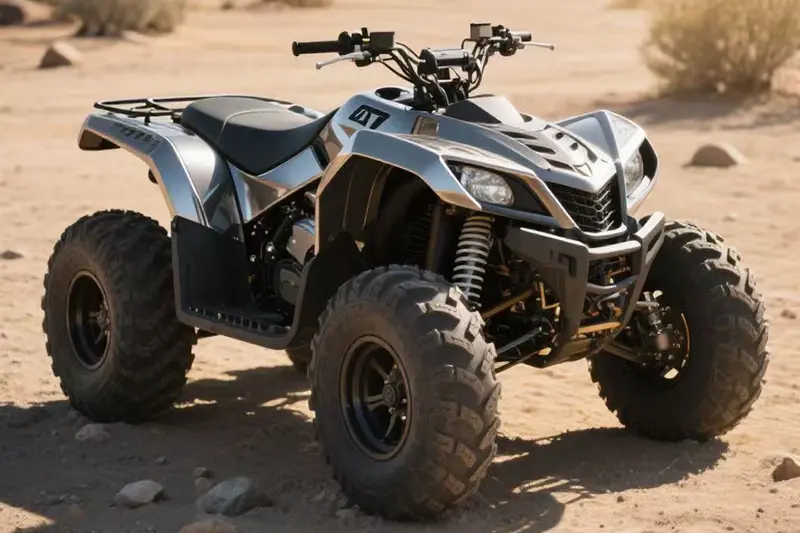
Rugged, weather-sealed drivetrain parts, high-traction tires, and suspension systems designed for rough, off-road conditions.
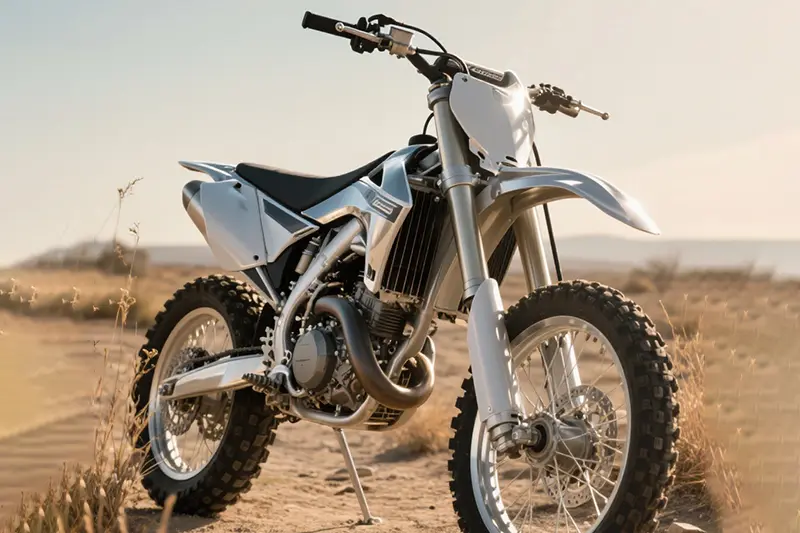
Motocross frames, exhaust systems, and competitive-grade suspension kits engineered to handle extreme impacts.
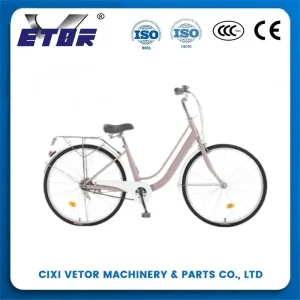
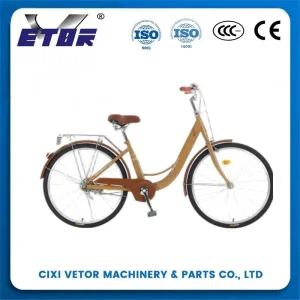
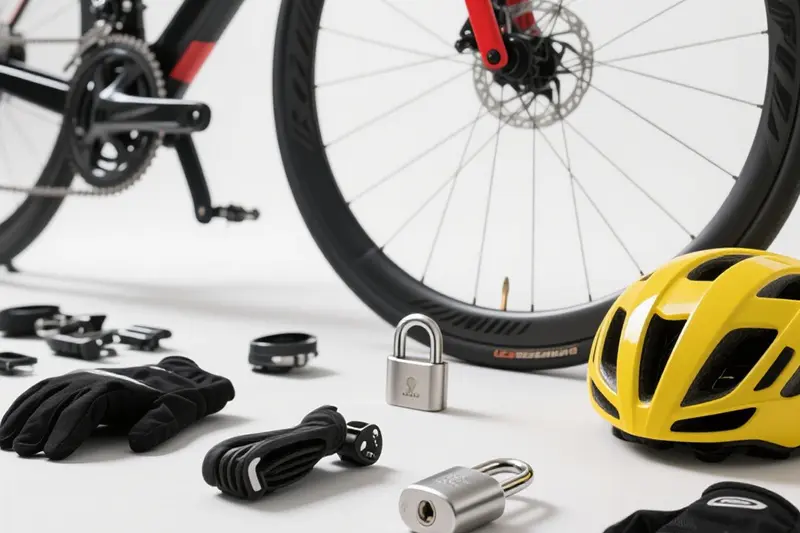
Lightweight alloy frames, gears, braking modules, and weather-resistant wheels for both mountain and road cycling.
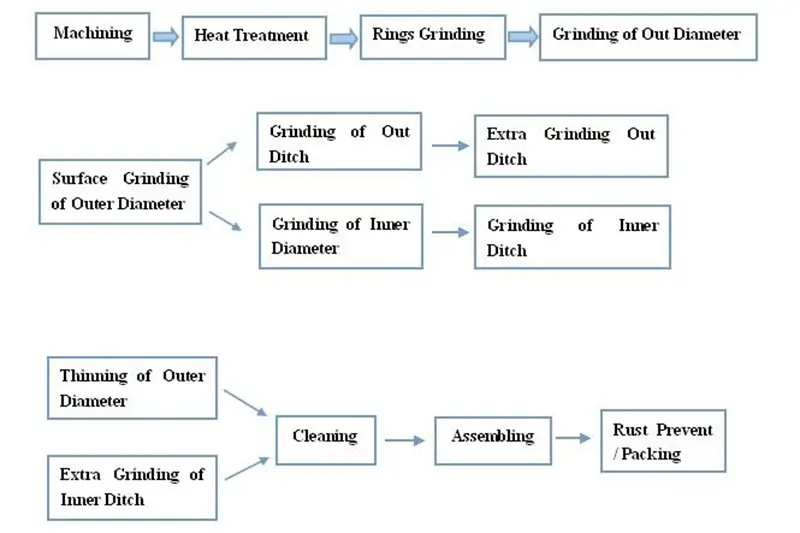
Inside our production facilities in Cixi: from raw material processing to computerized precision testing.
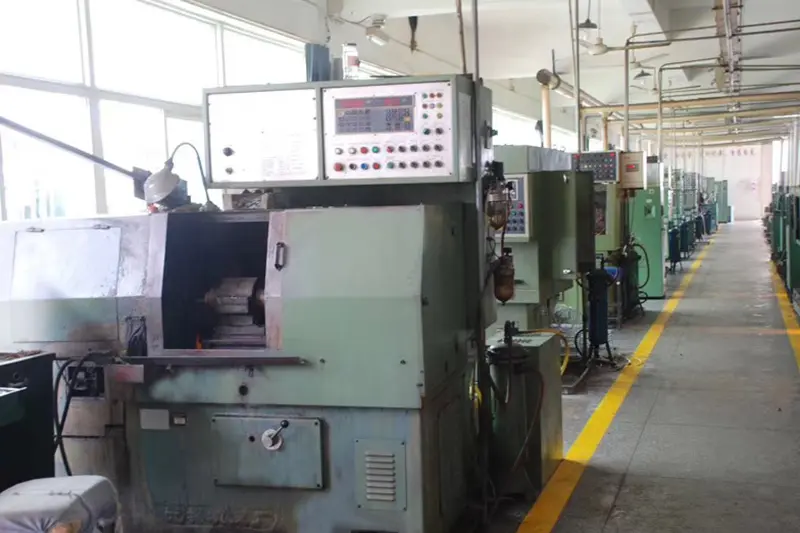
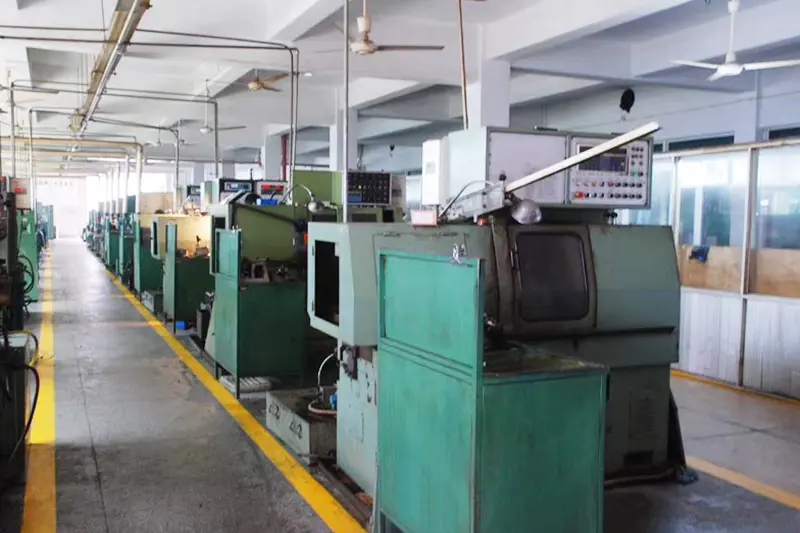
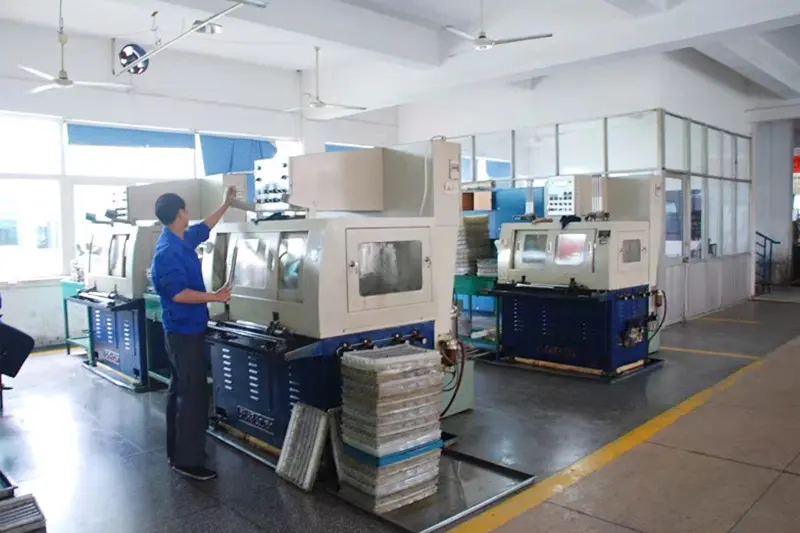
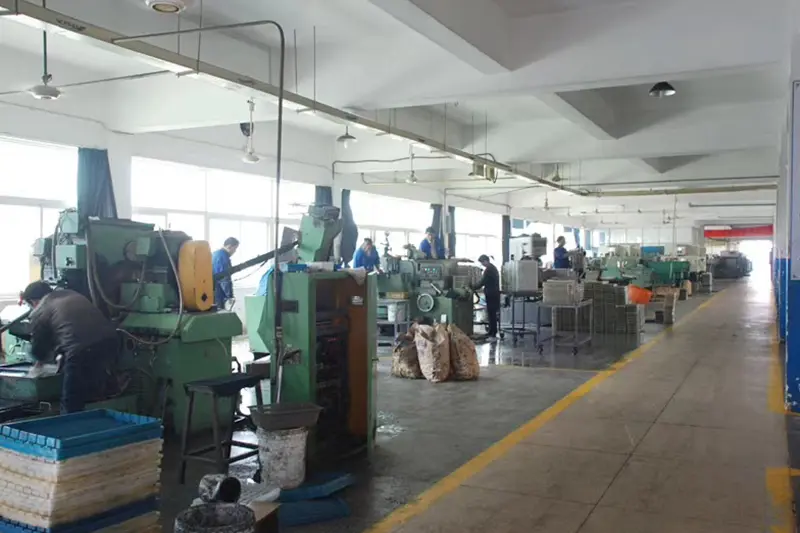
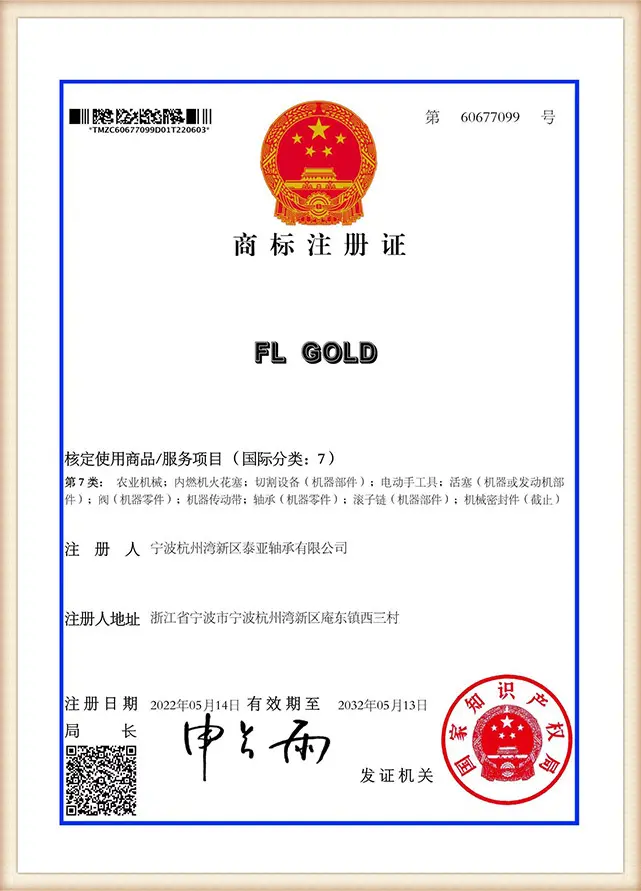
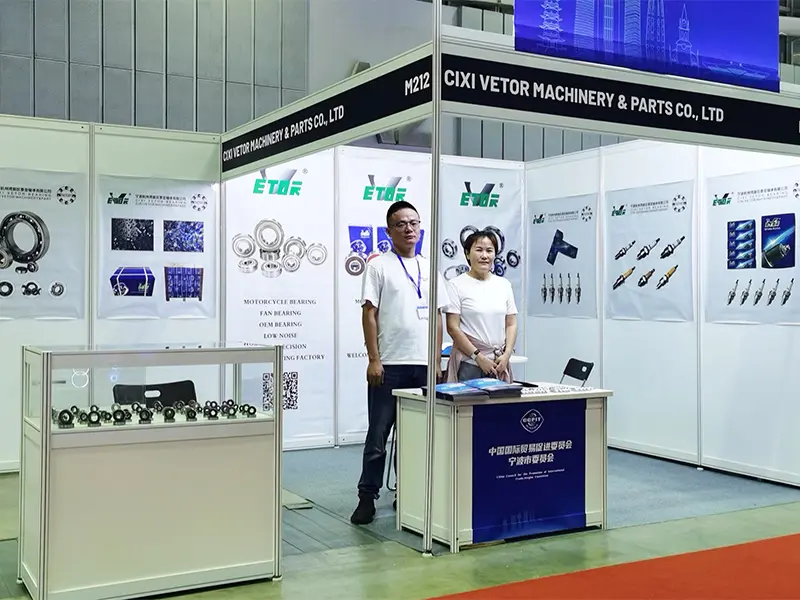
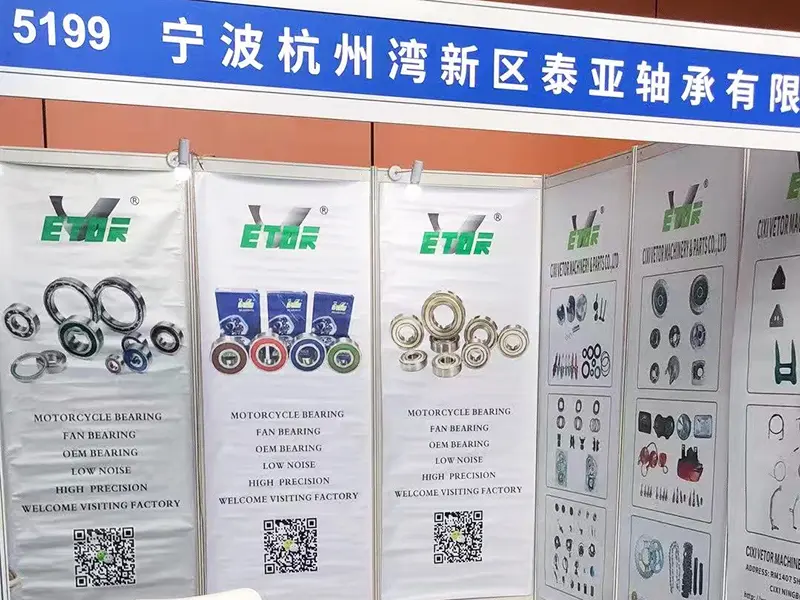
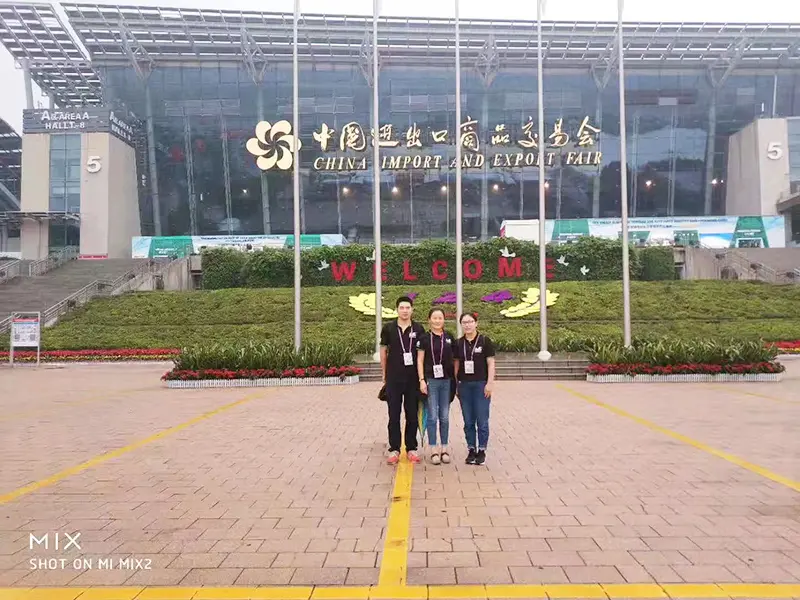
Our commitment to international standards is verified by official trade certifications and globally recognized exhibitions.
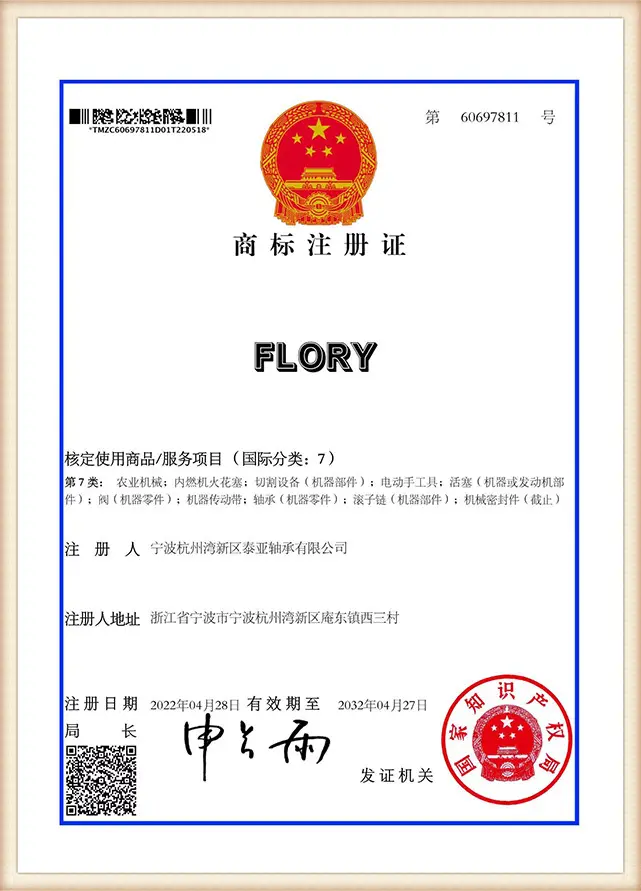
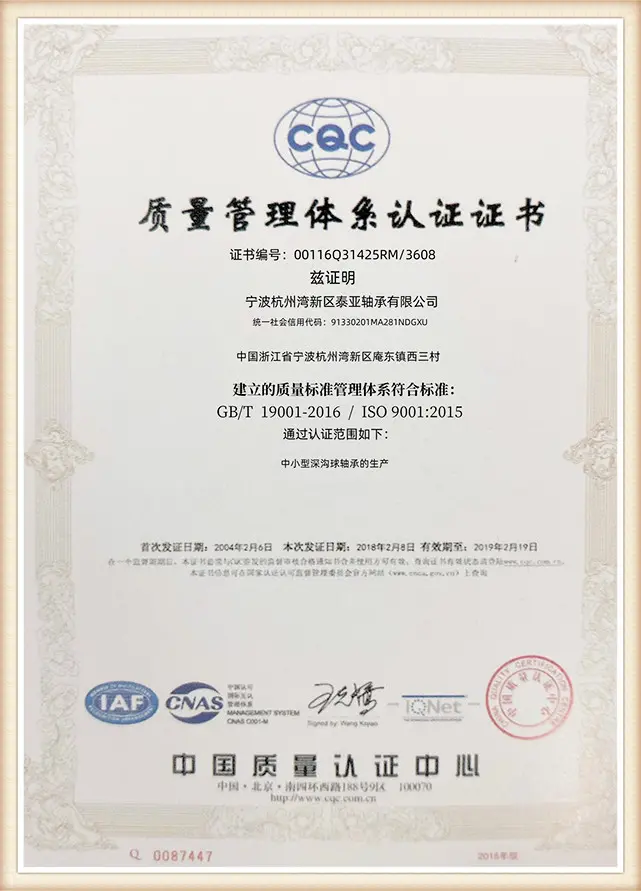
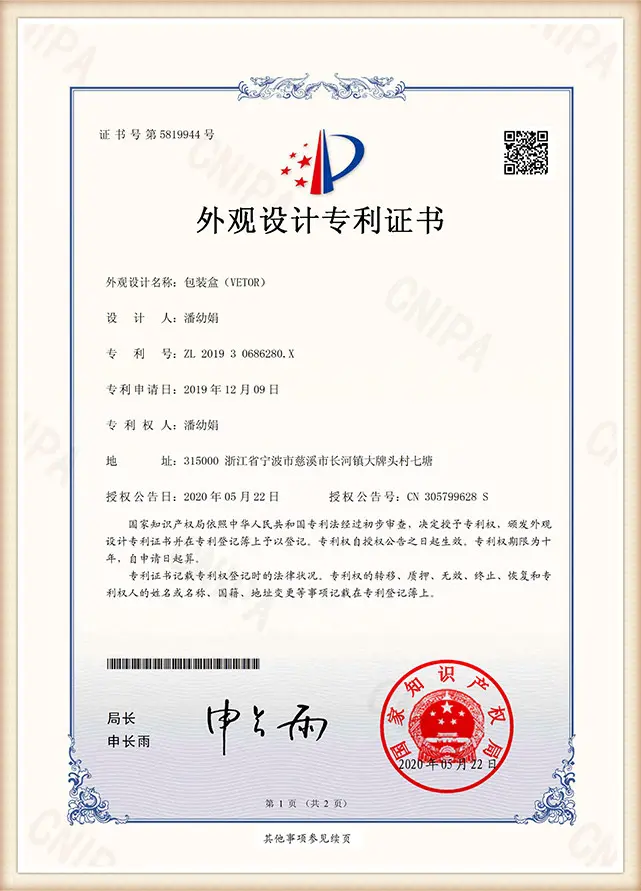
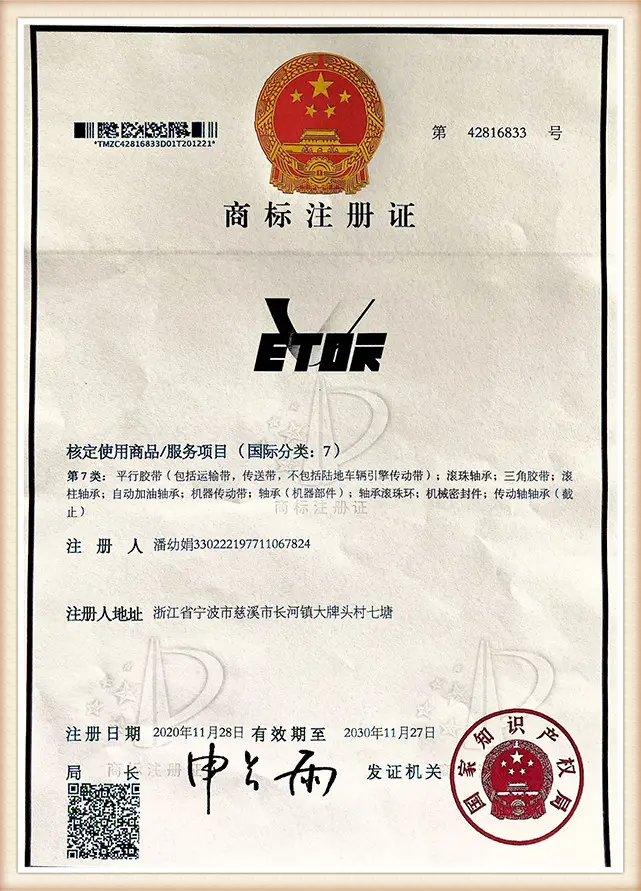
Providing top-quality bearings, responsive services, fast delivery cycles, and competitive pricing models.

Our sales and support teams are available from 8:00 to 17:00 (Monday to Saturday) to handle technical queries, price checks, and logistical tracking.

We offer custom bearing dimension specifications, custom brand packaging, and tailored metallurgy options under our comprehensive OEM partnership.

Located near Shanghai and Ningbo ports, we coordinate optimized shipping routes to ensure your orders arrive on schedule.
Key information on loads, lubrication limits, misalignment angles, and custom supply chain options.
Explore our additional range of motorcycle lighting, chassis components, wheels, and structural bearing designs.
Get in touch with our engineering team for technical evaluations, sample requests, or custom OEM component design services. We are dedicated to providing precision-engineered solutions tailored to your operational needs.
Contact Our Engineers VETOR GROUP