Explore our high-performance component catalog, certified under global quality systems for extreme reliability and operational longevity.
In the high-stakes landscape of modern industrial engineering, material selection determines the boundary between operational failure and peak mechanical efficiency. Traditional chrome steel bearings, while reliable under conventional parameters, increasingly struggle to meet the demands of extreme velocity, cryogenic environments, corrosive chemical exposure, and intense electromagnetic fields. This has catalyzed a global transition toward advanced ceramic materials, positioning ceramic bearings at the absolute vanguard of next-generation rotary motion components.
China has systematically structured its manufacturing sectors to emerge as the leading global force in precision ceramic bearing fabrication. Driven by substantial infrastructure development, deep chemical raw material integration, and technical cluster consolidation, Chinese manufacturers offer unparalleled scalability, strict tolerance matching, and robust cost-efficiencies. This white paper examines the core material properties, production capacities, localized application scenarios, and key sourcing considerations defining the contemporary global market for ceramic bearings.
To design an optimized mechanical system, engineers must understand the specific behavioral variations between the primary technical ceramics utilized in bearing construction. Each material profile exhibits specialized chemical bonds that adapt to specific stresses:
| Property Parameter | Silicon Nitride (Si3N4) | Zirconia (ZrO2) | Alumina (Al2O3) | High-Chrome Steel (GCr15) |
|---|---|---|---|---|
| Density (g/cm³) | 3.20 (Ultra Light) | 6.05 | 3.90 | 7.83 (Heavy) |
| Thermal Expansion (10⁻⁶/K) | 3.2 | 10.5 (Steel-like) | 8.0 | 12.5 |
| Elastic Modulus (GPa) | 310 | 210 | 360 | 208 |
| Electrical Resistivity | Insulator (High) | Insulator (High) | Insulator (High) | Conductor (Low) |
| Maximum Temp Limit (°C) | 1000°C | 500°C | 1200°C | 120°C - 200°C |
| Corrosion Resistance | Excellent (All-round) | High (Acids/Bases) | High (Chemicals) | Poor (Susceptible to Rust) |
Unlike steel rolling elements, ceramic balls possess an extremely low adhesive wear rate. Because ceramic materials do not suffer from "cold welding" or galvanic corrosion under frictional stress, they can operate effectively without lubricant, or with minimal fluid lubrication. Under high speeds, the centrifugal force acting on the outer ring is dramatically minimized due to the ceramic material's lightweight profile, thus mitigating heat generation and extending bearing life up to ten times in critical applications.
Strategically analyzing the global supply chain highlights Cixi City, Zhejiang Province, as a vital epicenter of bearing production. Positioned on the southern edge of Hangzhou Bay, Cixi is home to consolidated industrial clusters that provide rapid logistics, raw material access, and advanced precision engineering.
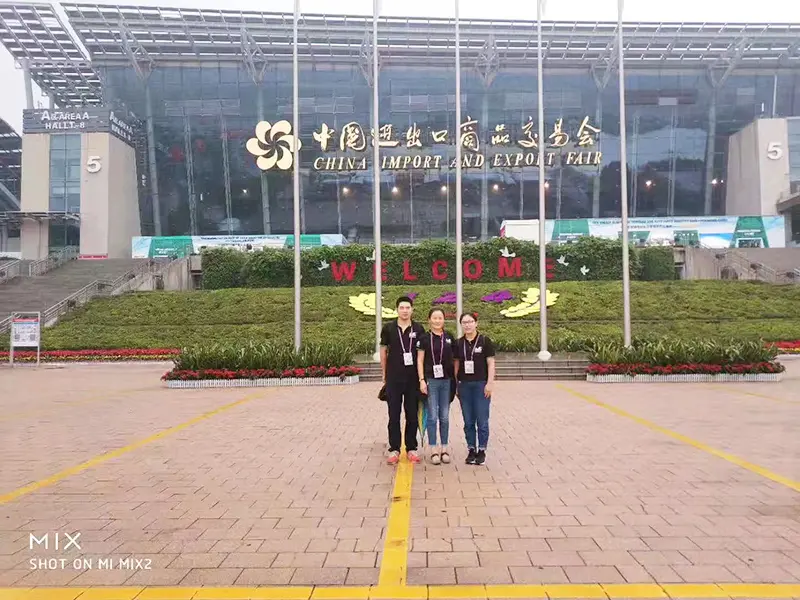
The **VETOR GROUP**, established in 2005, operates from this key hub. Situated just a 90-minute drive from Shanghai and Ningbo Ports, VETOR GROUP leverages this geographical placement to guarantee streamlined global logistics and rapid customs processing. Operating within this robust industrial cluster enables us to integrate local precision grinding technologies, rapid prototyping centers, and specialized heat treatment facilities, providing high-quality custom specifications at factory-direct pricing structures.
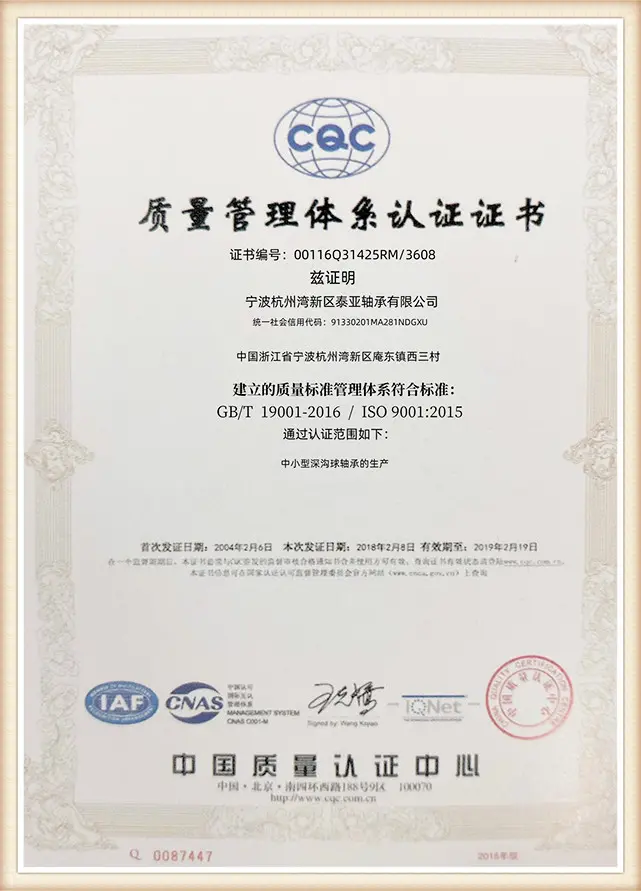
At VETOR GROUP, we have structured our operations as a comprehensive foreign trade and manufacturing entity specializing in high-precision, low-noise components. Over nearly two decades of growth, we have expanded our manufacturing and distribution capabilities to support international partners across multiple product segments, including Bearings, Motorcycle Parts, Auto Parts, ATVs, Dirt Bikes, Bicycles, and Related Components. All engineering workflows, testing laboratories, and assembly environments are fully certified under the ISO9001 international quality standard.
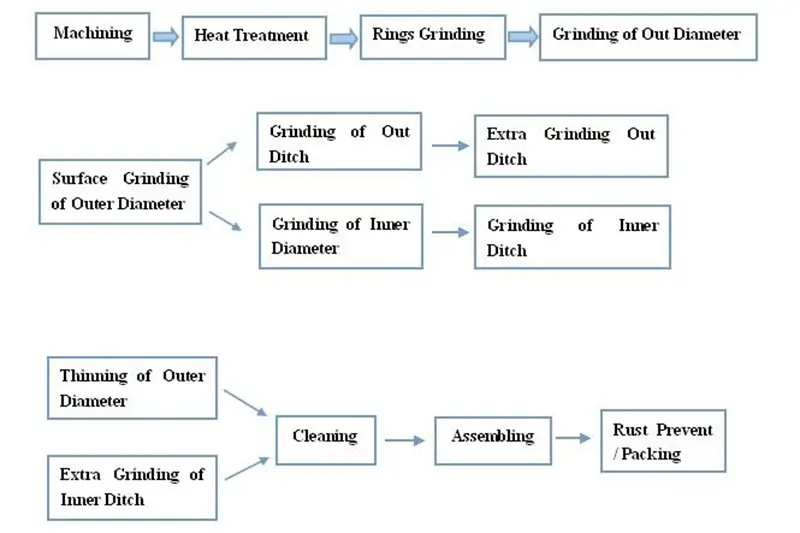
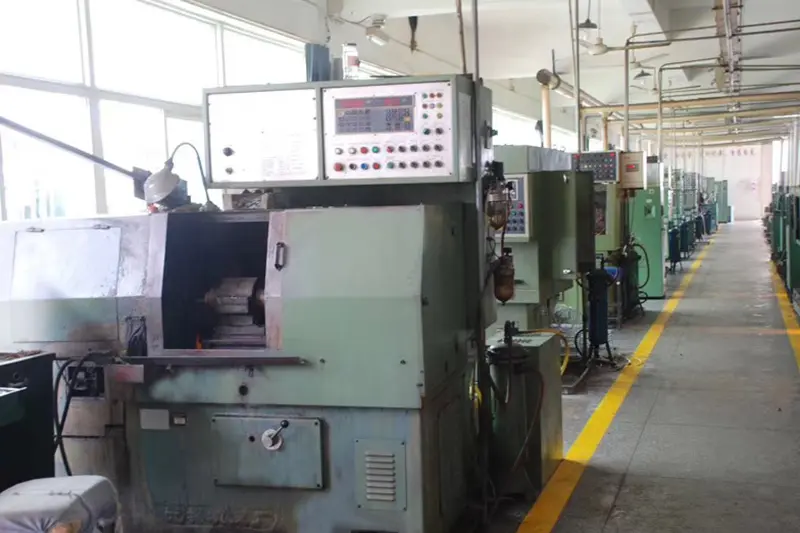
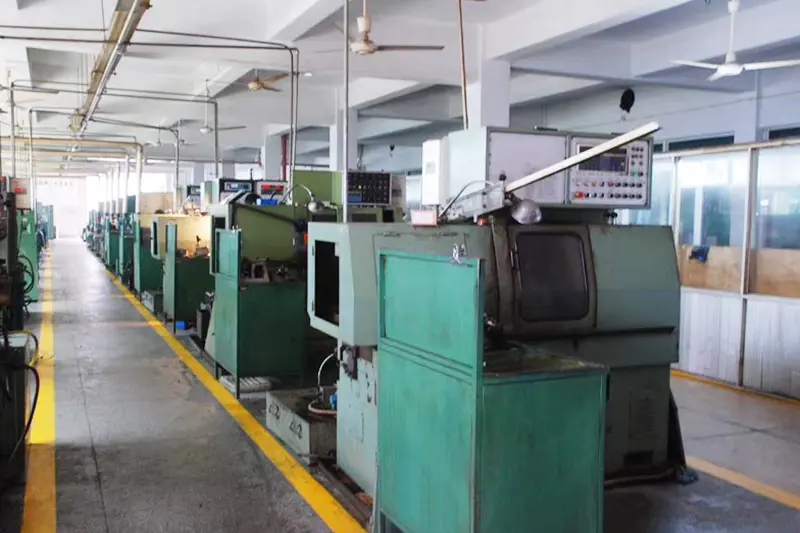
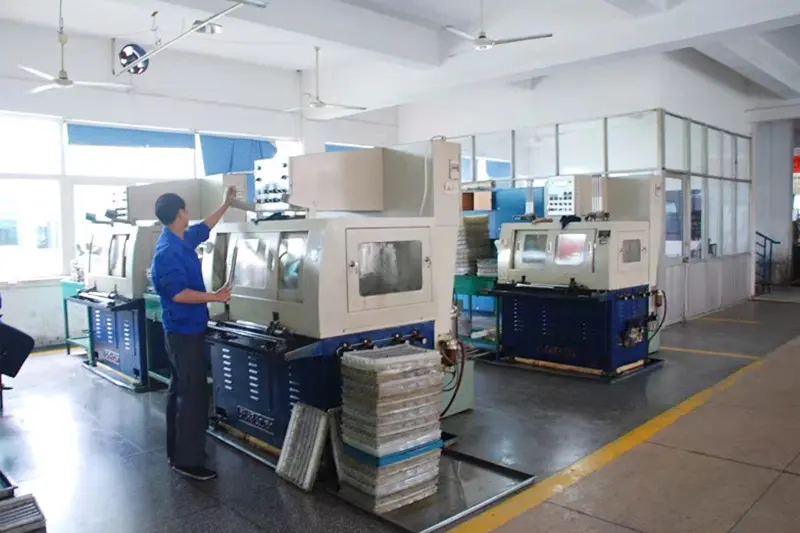
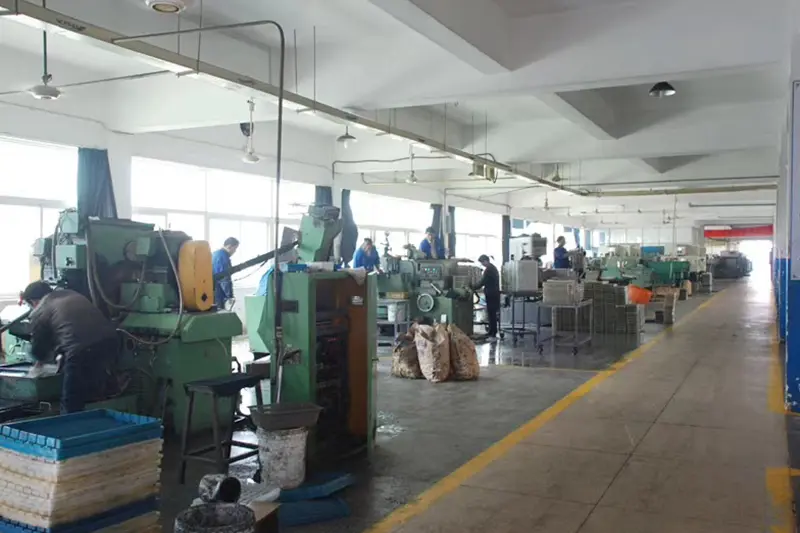
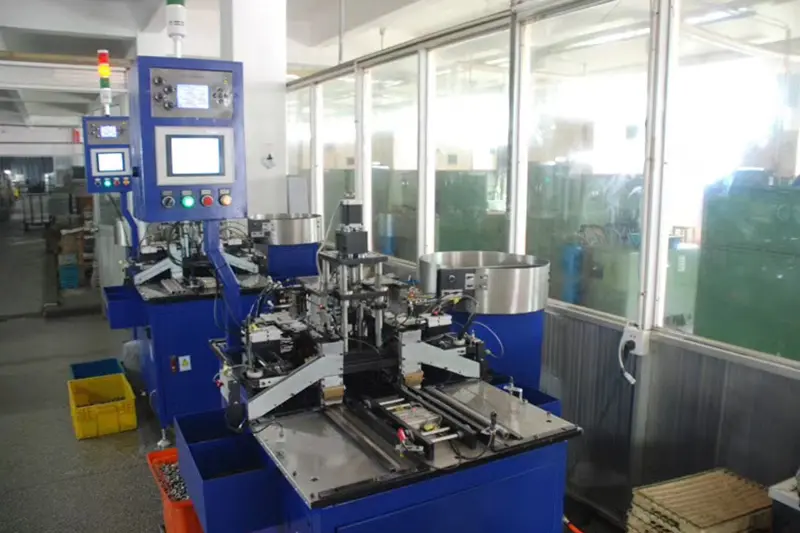
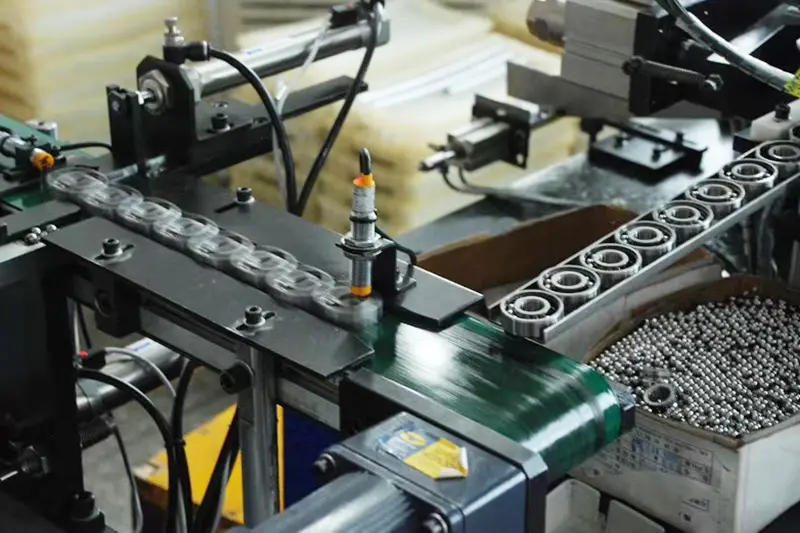
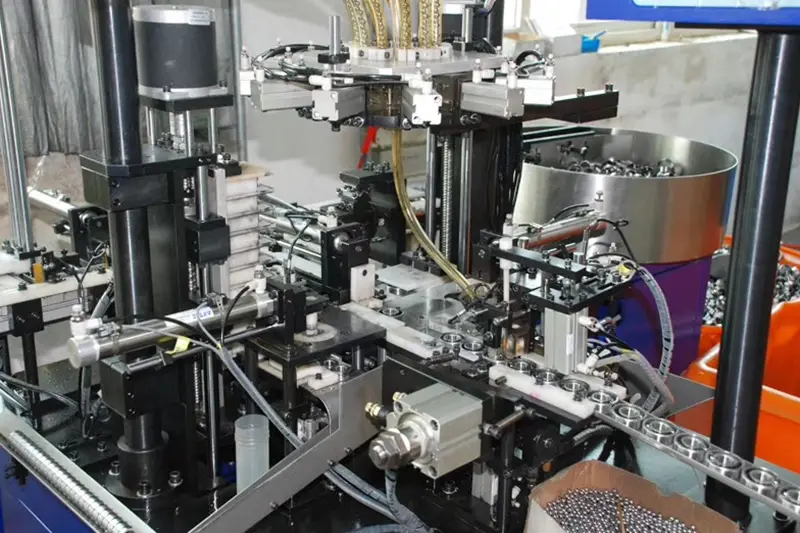
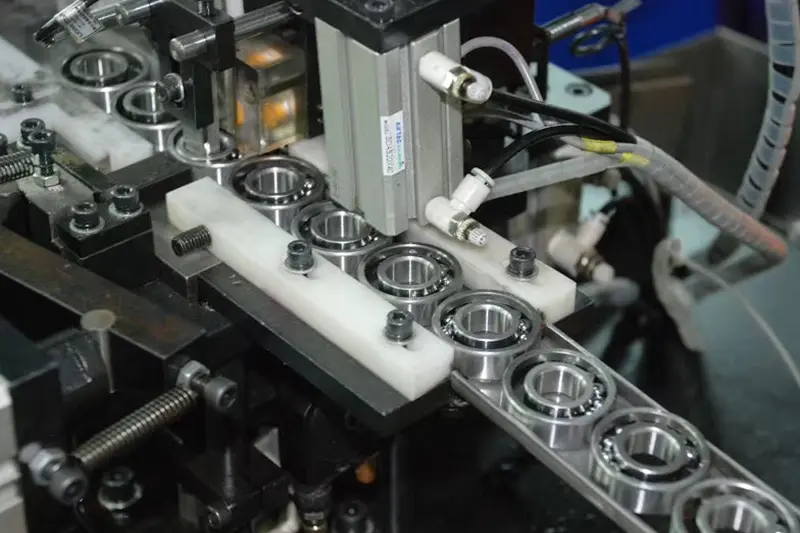
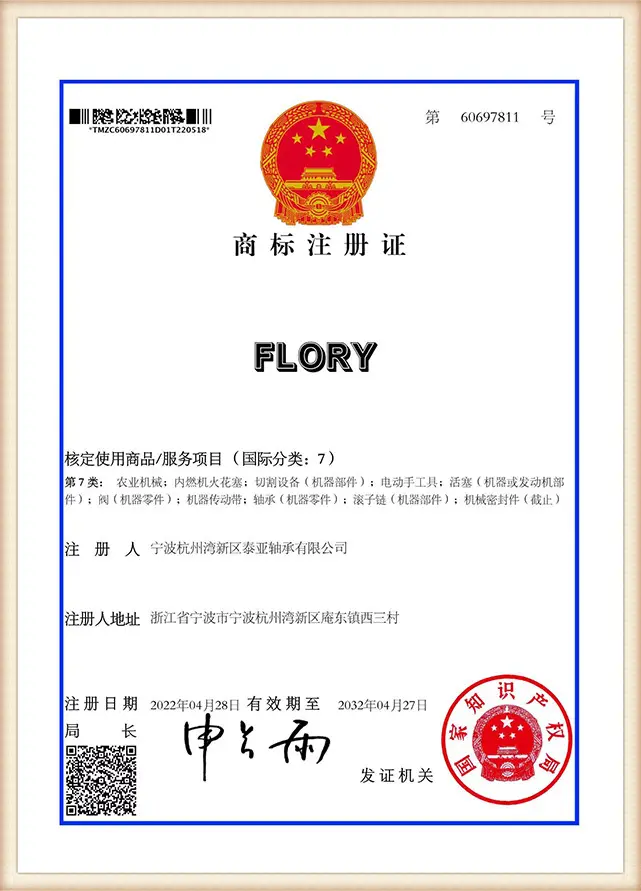
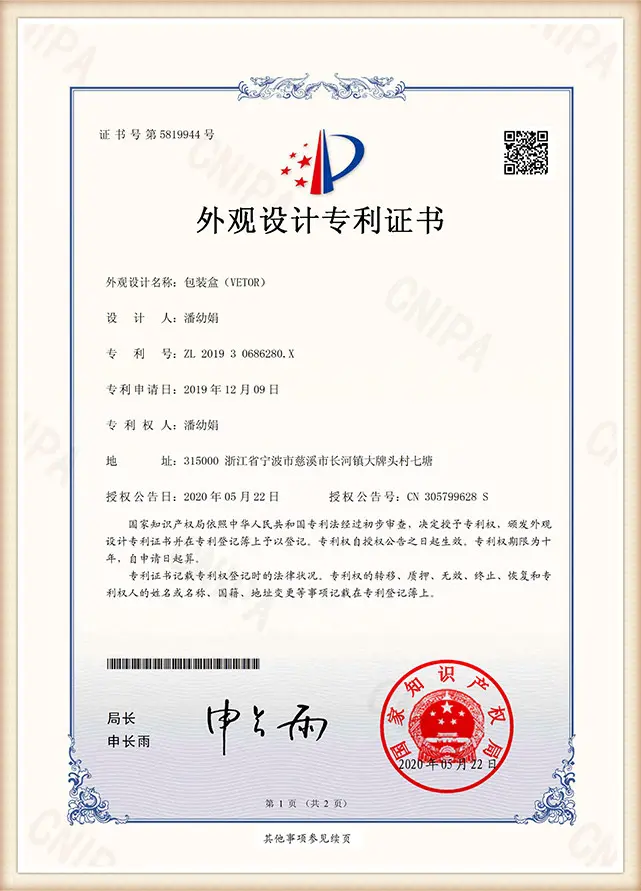
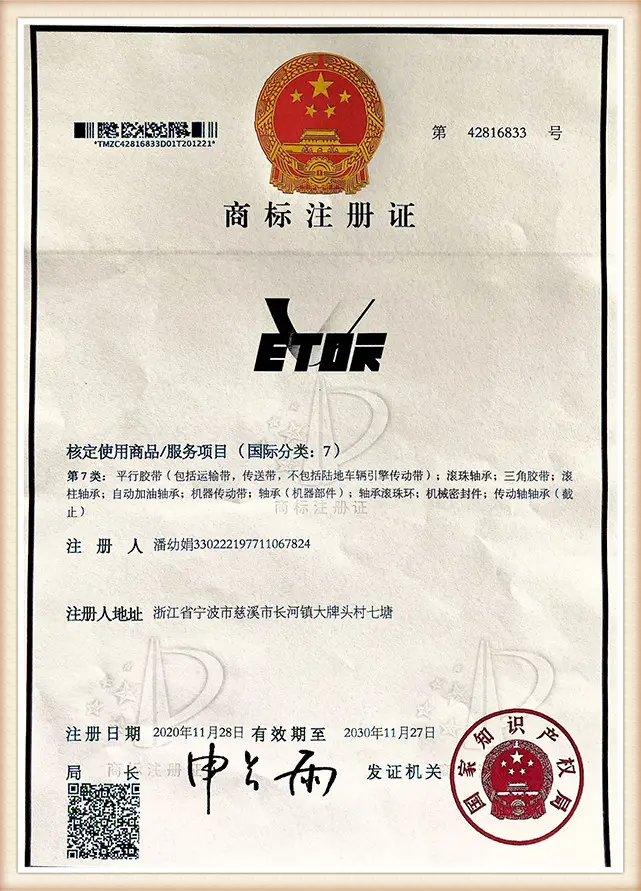
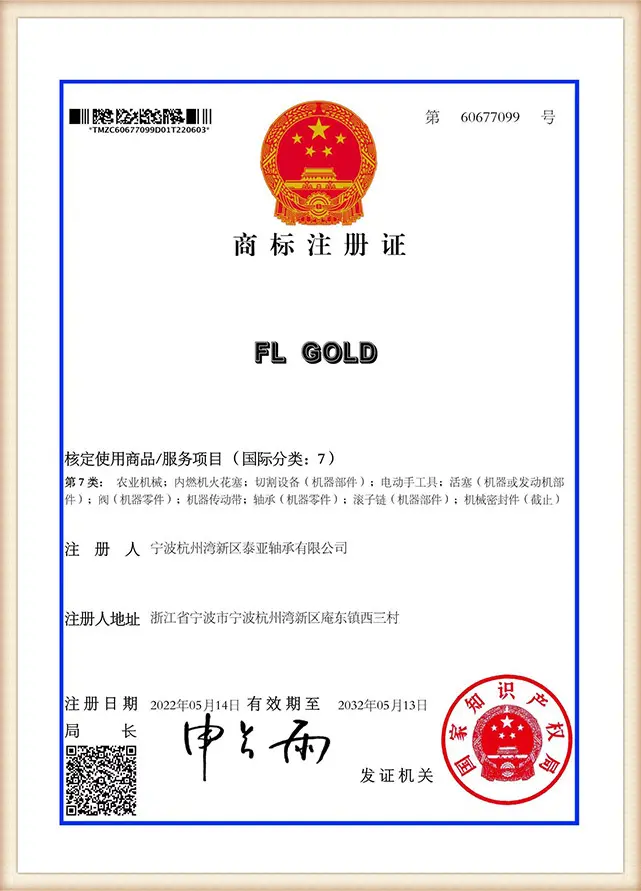
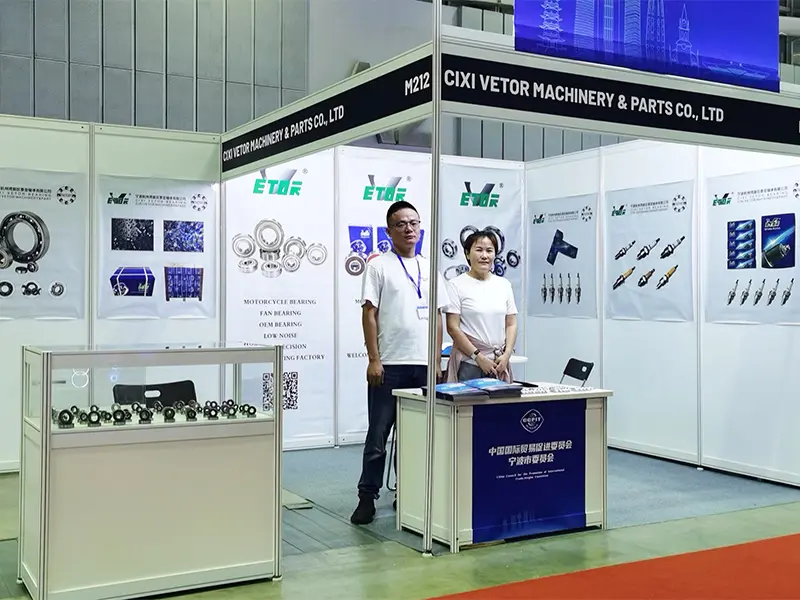
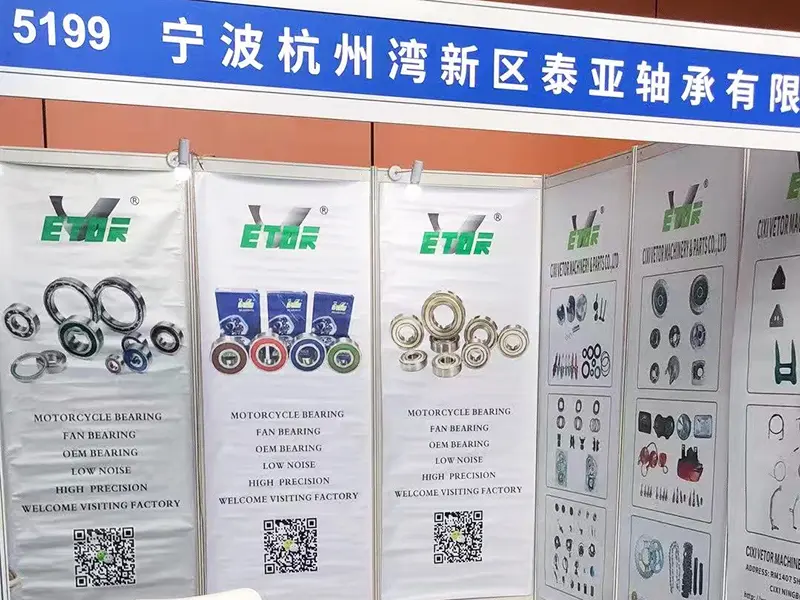
Our specialized facility focuses on the design and production of deep groove ball bearings and EMQ (Electric Motor Quality) grade bearings, with inner ring dimensions ranging from **6mm to 90mm**. We understand that noise, vibration, and friction are the primary indicators of a bearing's lifespan and structural integrity. Thus, our VETOR brand bearings are systematically engineered to exhibit:
VETOR GROUP manufactures and distributes high-performance replacement components for automotive, industrial, and high-speed off-road machinery.
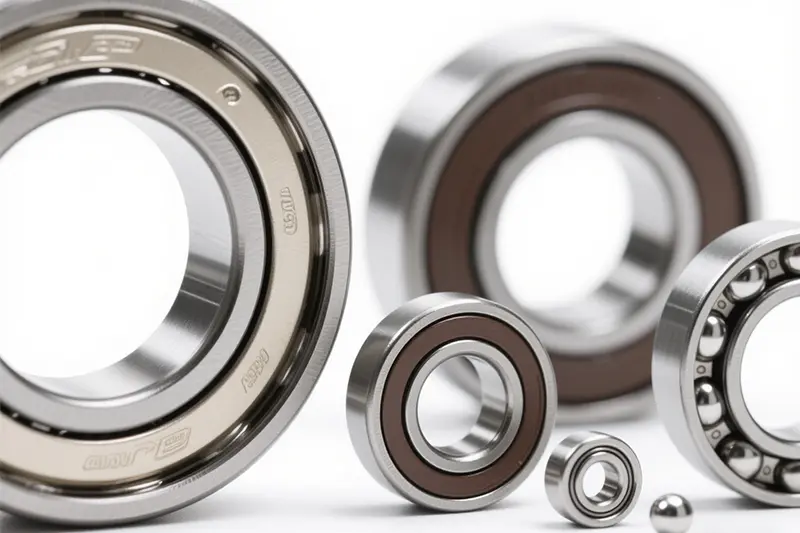
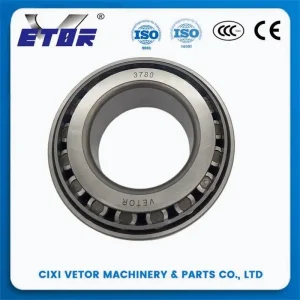
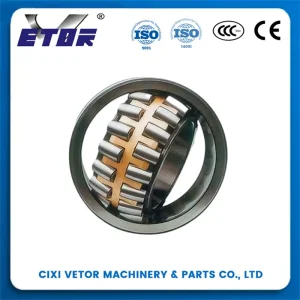
Our VETOR brand bearings include deep groove ball bearings and EMQ grade bearings (6mm-90mm) engineered for exceptional performance. Featuring low-noise operation and high-temperature resistance, they are ideal for automotive applications, industrial machinery, agricultural equipment, and medical devices.
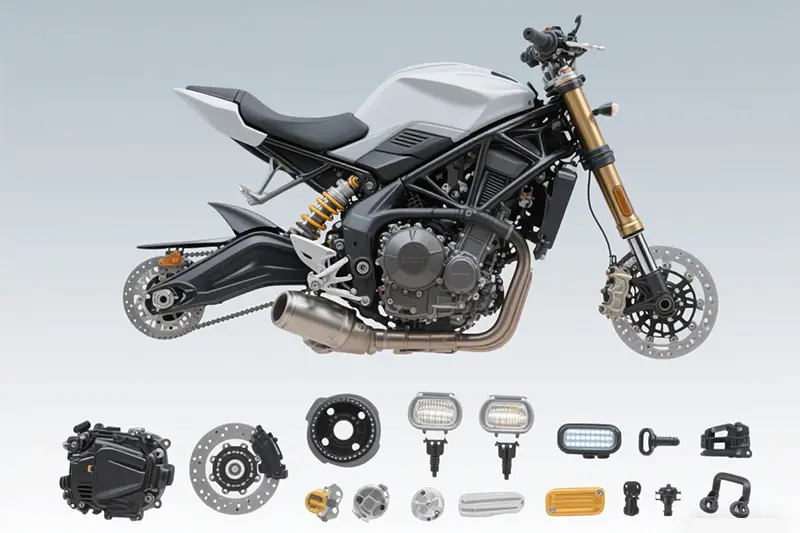
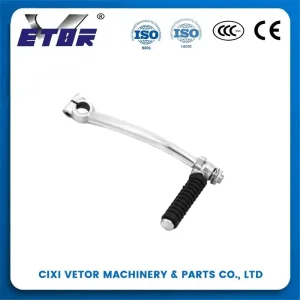
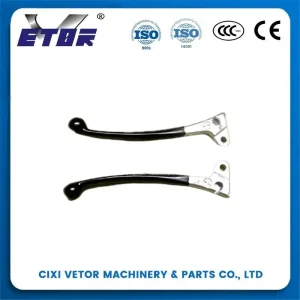
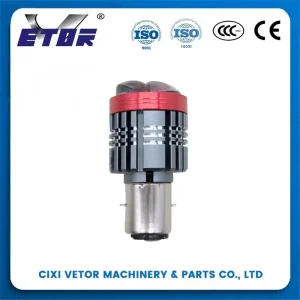
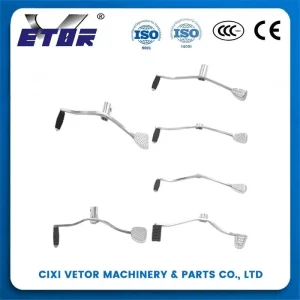
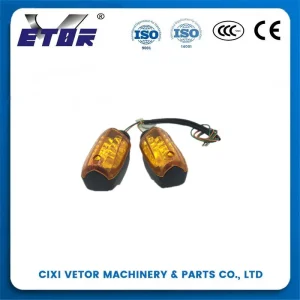
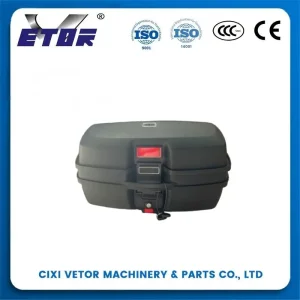
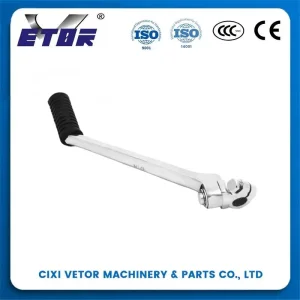
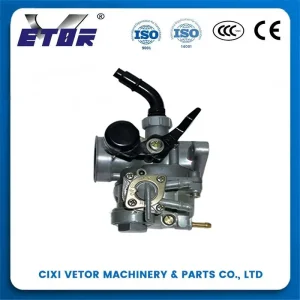
We manufacture durable motorcycle components including chain drive systems, braking components, and engine parts. Our corrosion-resistant exhaust systems and precision suspension components ensure optimal performance for both street and off-road motorcycles, meeting OEM quality standards.
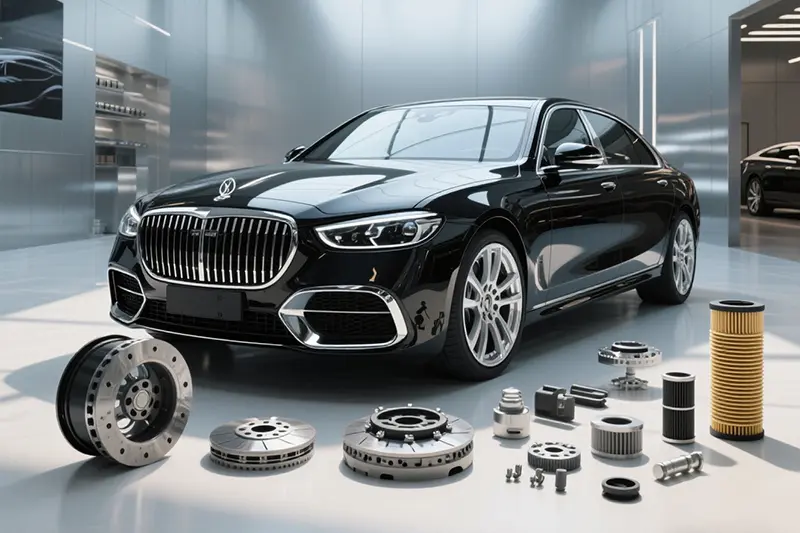
Our automotive spare parts range includes cooling system components, steering and suspension parts, and transmission components. These OEM-quality auto parts undergo strict quality control for perfect compatibility and extended service life in passenger and commercial vehicles.
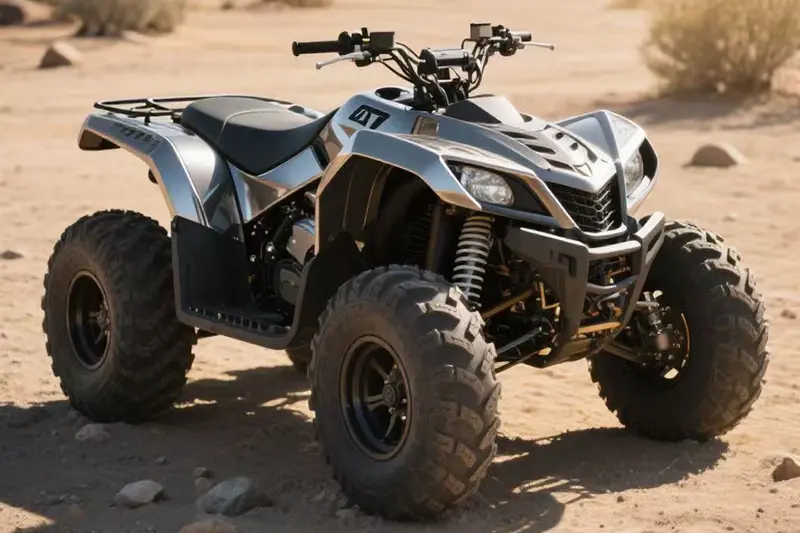
We provide heavy-duty ATV parts including suspension systems, drive train components, and protective body armor. Our weather-resistant electrical systems and high-traction tire systems ensure reliable performance in demanding off-road conditions.
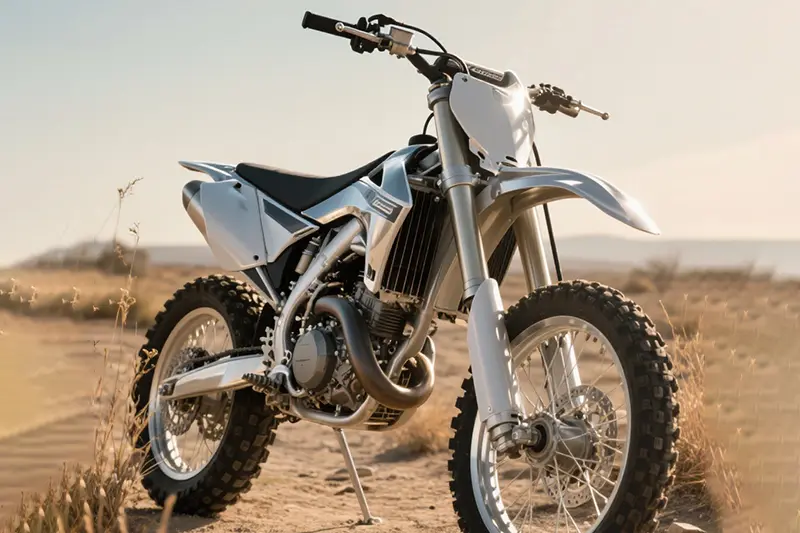
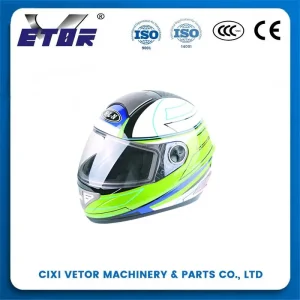
Our motocross performance parts feature lightweight frame components, high-performance exhaust systems, and professional suspension kits. These competition-ready components are tested for extreme riding conditions and optimal reliability.
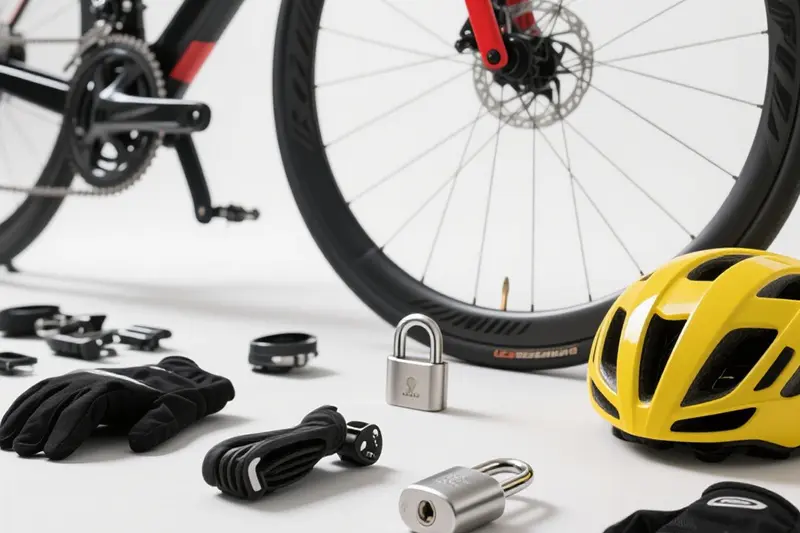
We offer bicycle replacement parts including lightweight frame components, precision gear systems, and reliable braking components. Our durable wheel sets and weather-resistant drivetrain parts ensure optimal performance for various cycling disciplines.
We align with international supply chains by offering structured technical support, flexible OEM customization, and optimized logistics channels.

Our dedicated engineering and sourcing team is available to assist from 8:00 to 17:00 every Monday to Saturday, ensuring that drawings, specifications, and RFQs are answered within 24 hours.
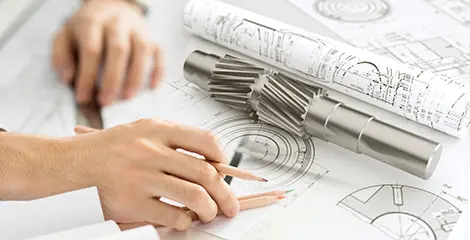
We offer full OEM and ODM services, tailoring custom clearances, dimensions, specific grease filling, and custom laser-engraving of codes to match your brand requirements.
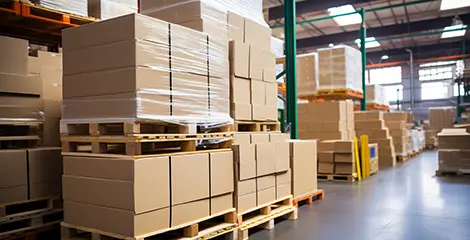
We execute strict contract milestone tracking. Our relationships with leading shipping lines in Shanghai and Ningbo Ports ensure freight space even during global logistics peaks.
Because technical ceramics exhibit properties distinct from metal alloys, they solve deep engineering limitations across various critical environments:
In electric vehicles (EVs) and high-speed industrial motors, stray electric currents present a significant challenge. When current flows through steel bearings, it causes electrical arcing, which damages the raceway surface and leads to premature failure. **Ceramic bearings** act as absolute electrical insulators, preventing this arcing. Furthermore, the lighter weight of ceramic balls reduces centrifugal forces at high RPMs, lowering operating temperatures and minimizing friction.
Industrial pumps, flow meters, and chemical mixers are routinely exposed to highly corrosive acids, bases, and organic solvents. Zirconia (ZrO2) and Silicon Nitride (Si3N4) bearings are chemically inert, ensuring they do not degrade when exposed to harsh chemicals. This chemical resistance minimizes downtime and prevents the risk of contamination in critical processing lines.
Traditional lubricants fail at extreme temperatures—either freezing in cryogenic applications or vaporizing under high heat. Ceramic bearings excel in these demanding environments because they do not require standard petroleum lubricants. They can operate in dry conditions or be lubricated by the surrounding media (such as liquid nitrogen or hot chemical vapors) at temperatures up to 1000°C.
In semiconductor fabrication, maintaining cleanroom conditions is essential. Conventional lubricants can outgas in high vacuums, contaminating silicon wafers. Ceramic bearings can run dry without lubricant, minimizing the risk of outgassing. Their exceptional wear resistance also reduces particulate generation, helping to maintain high yield rates in cleanroom environments.
✓ Expert Engineering Team: Our in-house research teams focus on ceramic material engineering, ensuring optimal grain structure and fracture toughness.
✓ Custom Solutions: We offer tailored engineering parameters, custom radial clearances, and specialized seal architectures designed for unique applications.
✓ ISO9001 Certification: Our entire design, production, and testing workflow is verified under ISO9001 quality systems.
✓ Rigorous Diagnostics: Every production lot undergoes non-destructive ultrasonic defect scanning, dimensional verification, and EMQ vibration analysis.
✓ Low MOQs: We accommodate orders starting from 1,000 pieces for standard sizes, supporting prototype development.
✓ Rapid Turnarounds: Our engineers can provide initial technical drawings and functional samples within 7-10 working days.
The ceramic bearing market is undergoing a transition driven by two primary industrial trends: hybrid ceramic configuration and smart-sensor integration.
Hybrid Ceramic Bearings, which pair steel inner and outer rings with silicon nitride (Si3N4) balls, are increasingly used in mainstream industrial applications. This combination delivers much of the high-speed and insulating performance of full ceramic bearings, but at a price point closer to conventional steel. They are widely used in electric vehicles, wind turbine generators, and precision machine spindles.
At the same time, the industry is moving toward **smart bearings**. This technology integrates micro-sensors directly into the bearing housing, allowing for real-time monitoring of vibration, temperature, and rotational speed. When paired with machine learning algorithms, these sensors enable predictive maintenance, helping to prevent unexpected downtime and extend the life of critical equipment.
When sourcing ceramic bearings from China, procurement teams should evaluate the following technical and operational criteria:
Find answers to technical and operational questions about the engineering, sourcing, and performance of advanced ceramic bearings.
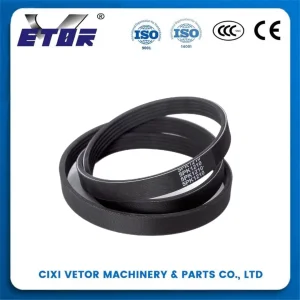
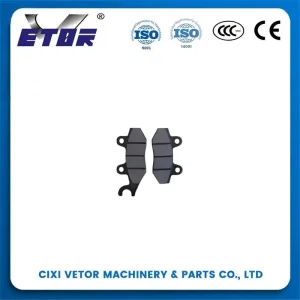
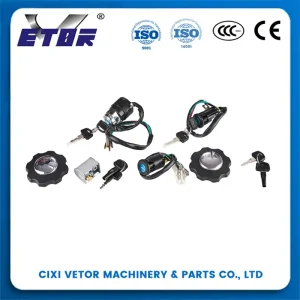
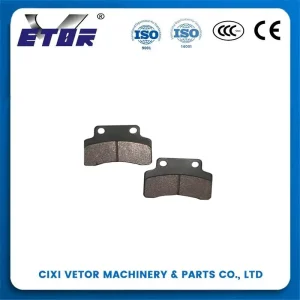
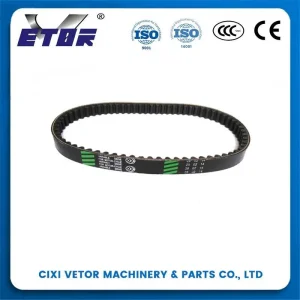
From heavy-duty drive belts and brake pads to precision rollers and electrical assemblies, VETOR GROUP provides high-quality components for diverse industries.
 VETOR GROUP