Explore our high-performance components manufactured to strict ISO9001 and OEM-compliant metrics for global distribution networks.
An in-depth look into metallurgy, custom forging techniques, and the production capabilities that define global engine standards.
In reciprocating internal combustion engines, the connecting rod acts as the vital bridge converting linear piston motion into rotary crankshaft motion. Because it undergoes extreme stress—specifically dynamic tensile load from inertia and compressive loads from burning fuel—its structural integrity is crucial. As a global procurement hub, Chinese connecting rod manufacturers have evolved from simple mass production units to world-class innovators offering specialized engineering solutions for international OEMs.
Modern engines demand lightweight yet exceptionally strong components. Chinese suppliers utilize advanced metallurgy, offering connecting rods forged from high-spec medium carbon steels (like AISI 1045 or C70S6), alloy steels (such as 40Cr, 42CrMo, or 4340 chromoly), and premium sintered powder metals. By using state-of-the-art forging lines, automatic heat treatment systems, and CNC cracking/fracture splitting machinery, factories achieve micro-gram balance tolerances and extremely tight dimensional clearances.
By partnering directly with integrated groups like the VETOR GROUP, buyers benefit from a complete supply chain that handles everything from casting and billet forging to precision bearing assembly. This close integration between connecting rods, pistons, and bearings minimizes mechanical friction and dramatically extends engine life.
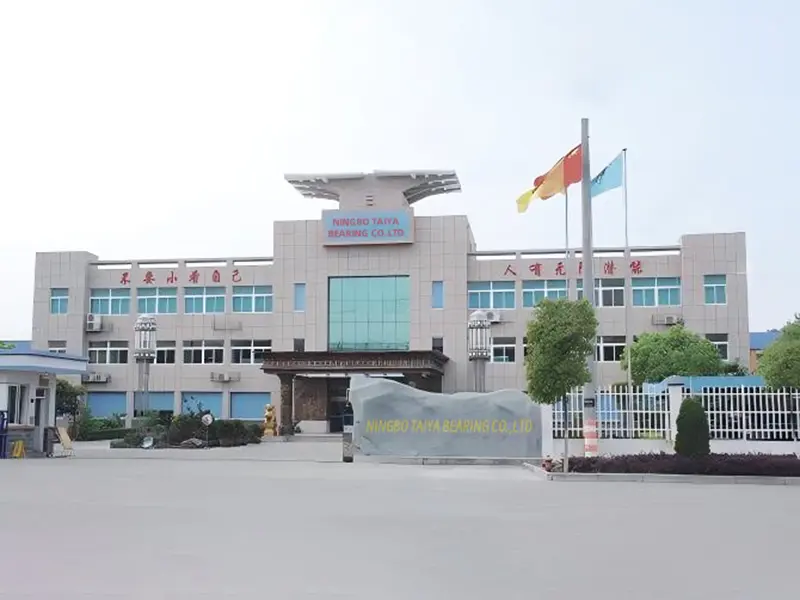
Advanced hot, warm, and cold forging capabilities optimize structural grain flow, significantly boosting fatigue resistance and yield strength under high-RPM operations.
Using laser-scribed notches and hydraulic fracture split systems to form a perfectly interlocking joint. This design ensures maximum strength and zero rod-cap shifting.
Controlled double-end milling and balancing scales ensure that total weight differences between connecting rods in a multi-cylinder set are held to less than ±1.5g.
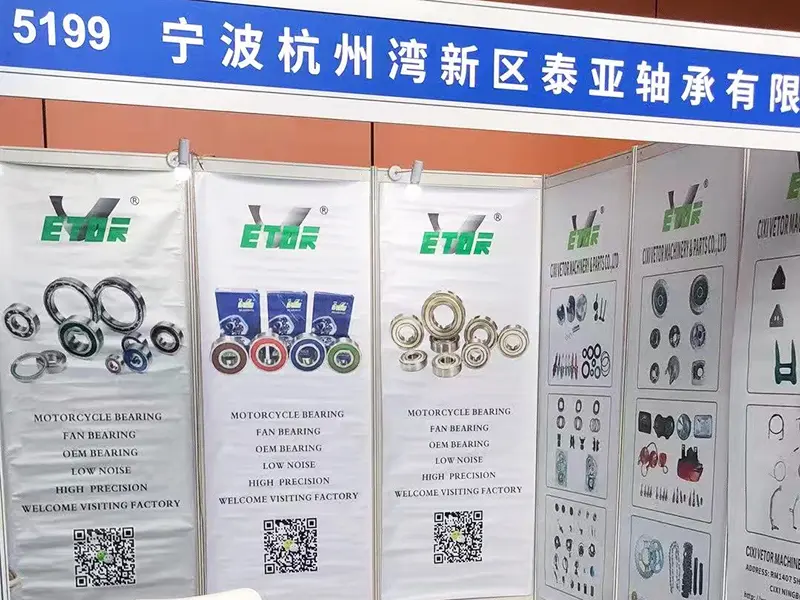
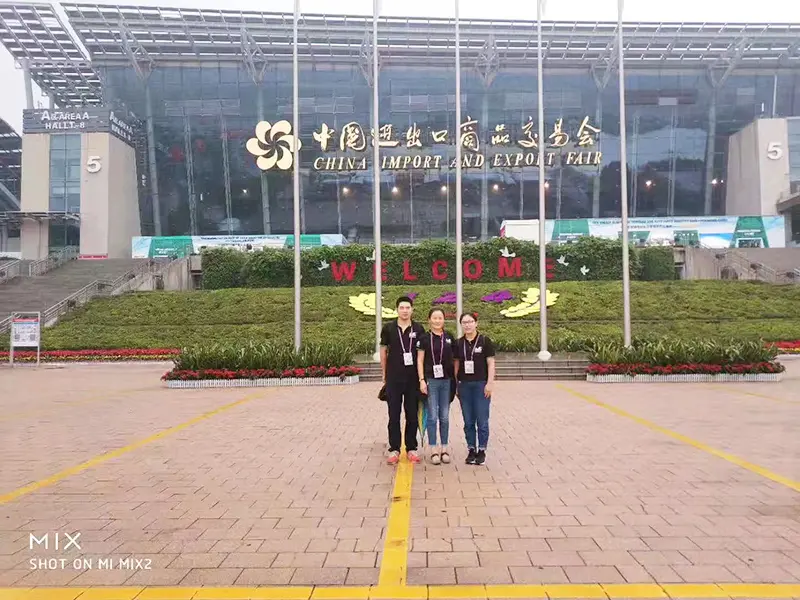
Established in 2005, a premium automotive, motorcycle, and mechanical components partner for clients in over 30 countries.
Founded in 2005, VETOR GROUP is a comprehensive foreign trade and industrial group specializing in high-end automotive, motorcycle, ATV, and machinery components. Our main corporate headquarters is located in Cixi City, Zhejiang Province—a highly dynamic economic hub situated on the bank of the scenic Hangzhou Bay. This strategic location offers unique logistics benefits, placing us close to two of China's primary maritime ports: Shanghai Port and Ningbo Port. Additionally, we are just a 90-minute drive from Hangzhou Xiaoshan International Airport and Ningbo Lishe International Airport, facilitating fast and efficient cargo and customer transit.
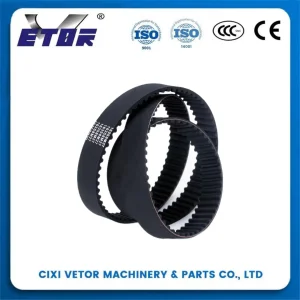
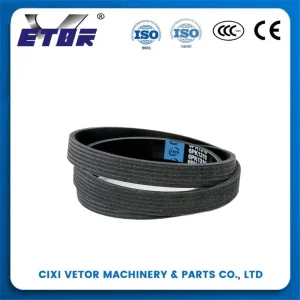
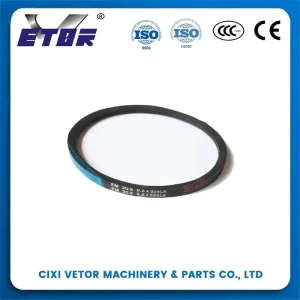
Our ISO9001 certified facilities manufacture premium-grade deep groove ball bearings, motorcycle components, and general industrial castings. Combining this with a robust domestic sourcing network allows us to offer custom-engineered parts, including connecting rods, pistons, crankshafts, and v-belts, designed to meet the technical standards of global markets.
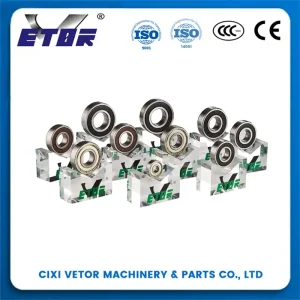
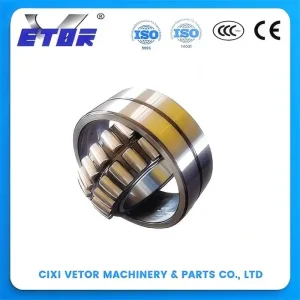
Engineered at our in-house manufacturing facility with inner ring dimensions ranging from 6mm to 90mm.
Our VETOR brand bearings are known for their exceptional performance. Because connecting rods depend on high-quality bearing interfaces at the crankshaft pin (big end) and piston wrist pin (small end) to prevent friction-related failure, we apply the exact same engineering principles to our bearings:
Low noise, vibration, and friction
High precision and sealing performance
Operational stability and long service life
Absence of abnormal sound
These bearings are widely used in household appliances, micro-motors, electric fans, motorcycles, medical equipment, sports machinery, textile machinery, and agricultural machinery.
Discover our specialized engineering divisions, providing components to automotive, industrial, and motorsport OEMs.
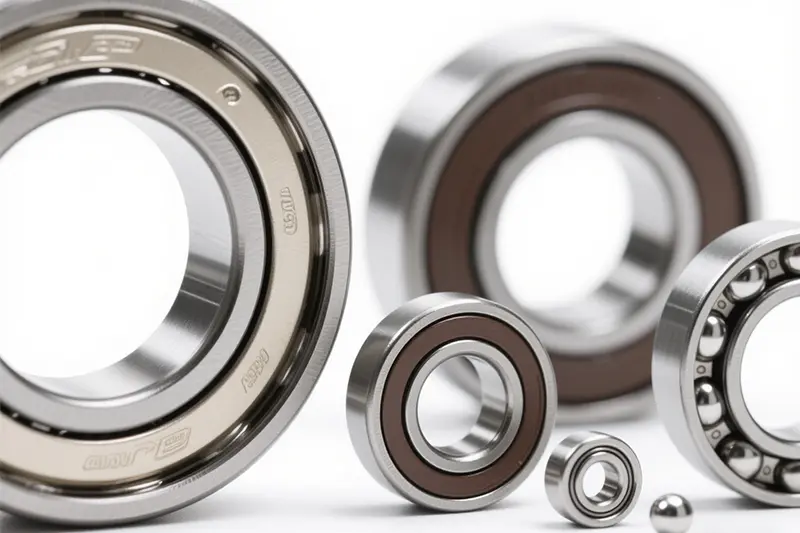
Deep groove and EMQ grade bearings (6mm-90mm) designed for low noise, low friction, and high thermal capacity.
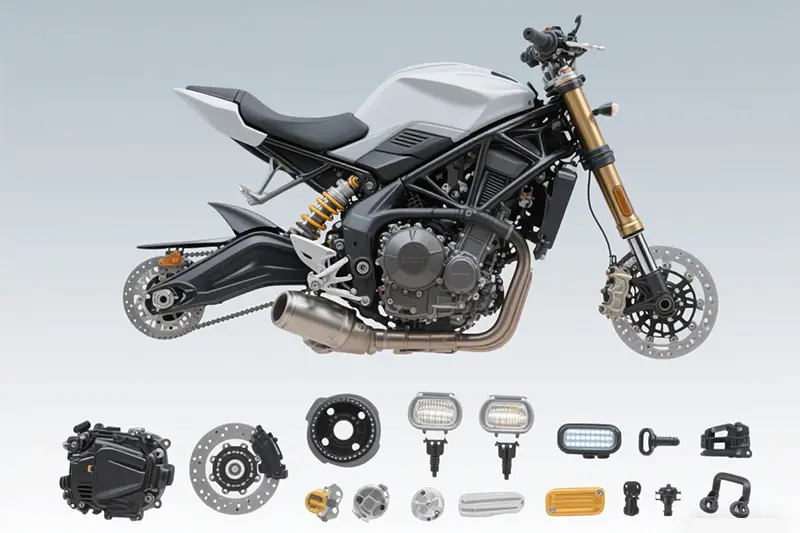
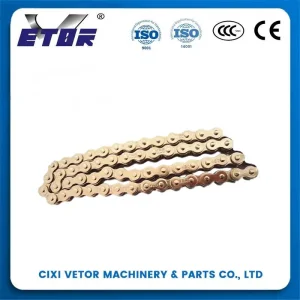
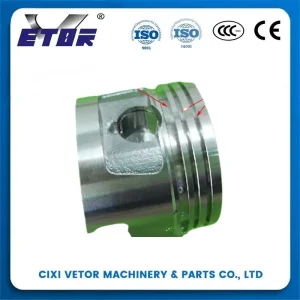
Durable chains, brake shoes, pistons, and lightweight connecting rods built to OEM motorcycle specifications.
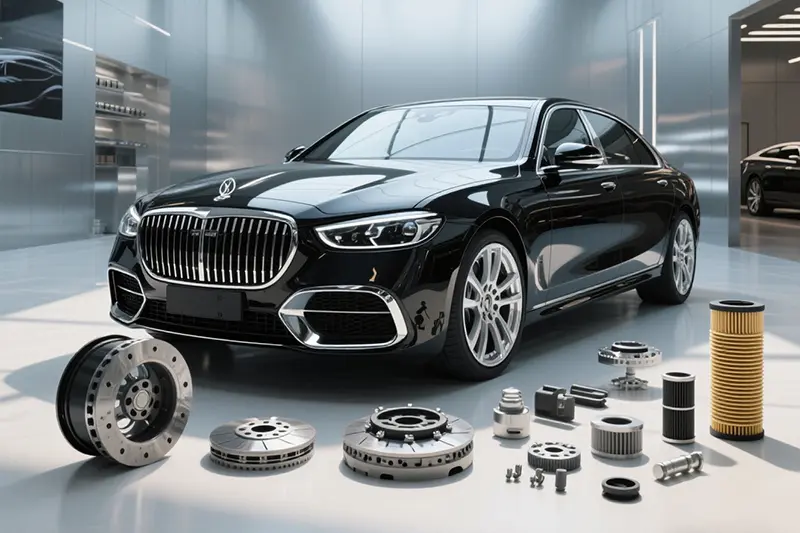
Cooling components, suspension systems, and dynamic transmission assemblies engineered for passenger and commercial cars.
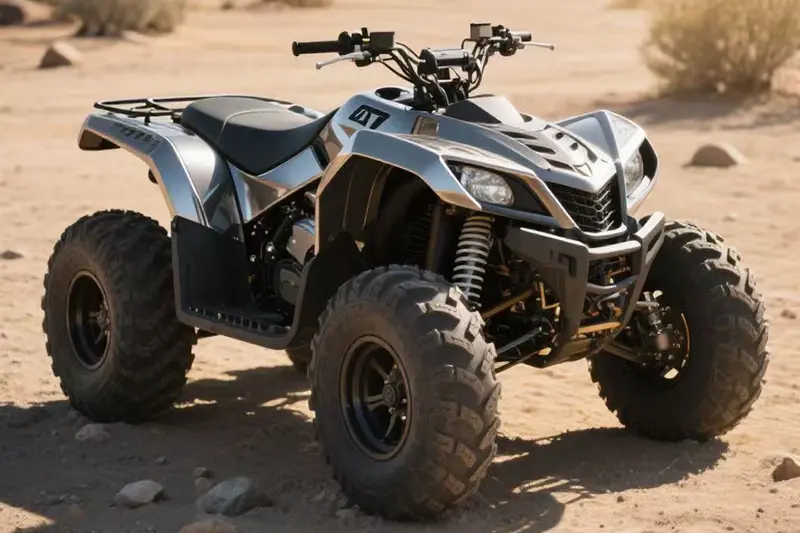
Heavy-duty suspension links, shock bodies, and robust chassis components designed for demanding all-terrain environments.
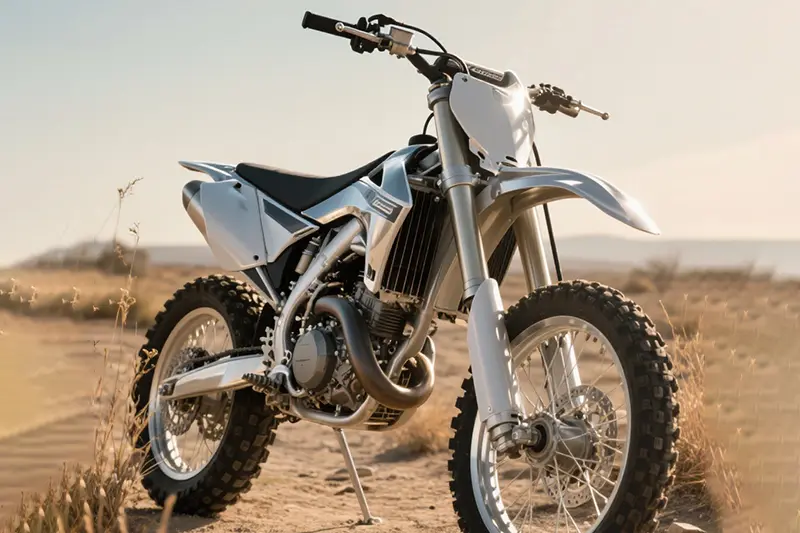
Motocross frames, high-strength pistons, and competition-ready connecting rods built for extreme racing stresses.
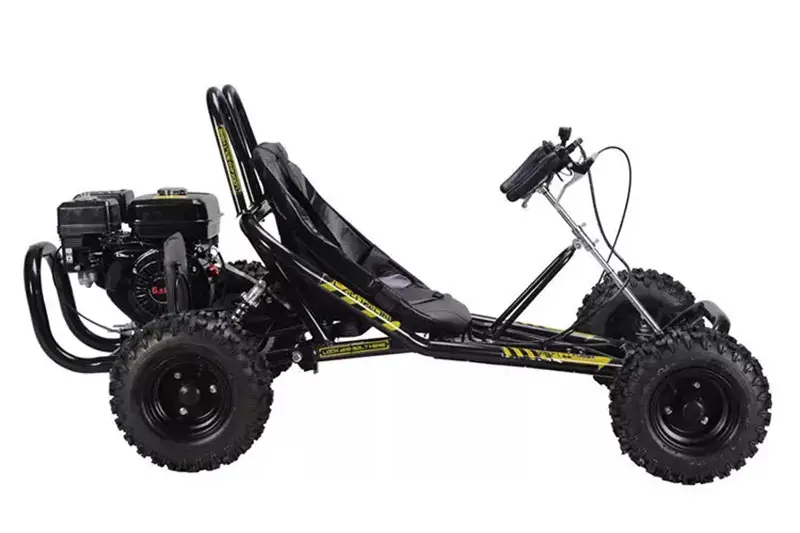
Chassis structures, specialized braking elements, and direct drive linkages crafted for reliable track performance.
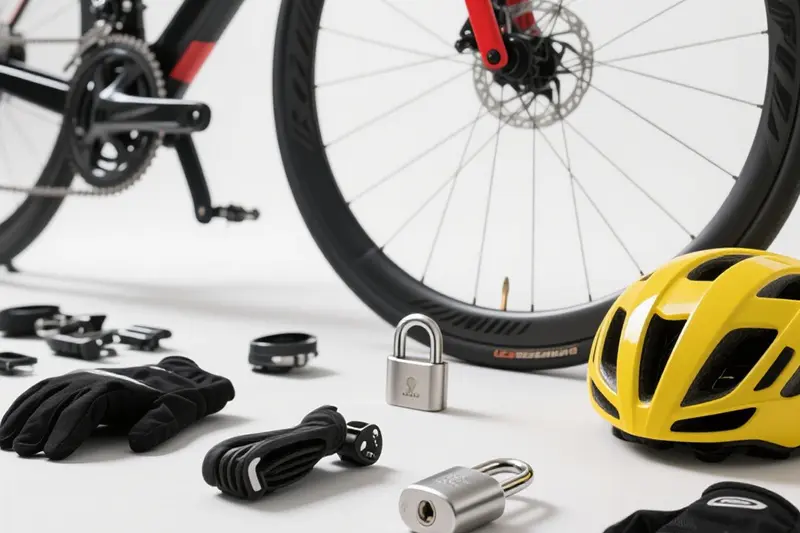
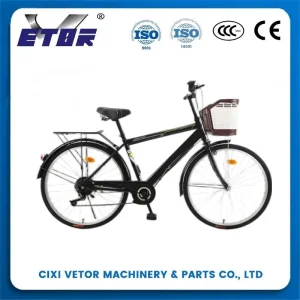
Lightweight aluminum frame tubes, precision-engineered gears, and weather-resistant mechanical components for long-distance cycling.
How the local ecosystem in Zhejiang Province enables industry-leading cost control and technical superiority.
Zhejiang and its neighboring provinces host some of China's most advanced steel mills. This proximity allows connecting rod factories to source high-purity alloy steels with minimal transit cost, while ensuring consistent material composition and traceabilty. Mill test certificates are provided for every batch, confirming oxygen, hydrogen, and sulfur levels meet OEM requirements.
Within a 100km radius of Cixi, there is an entire industrial ecosystem. This includes specialized mold makers, heat-treatment providers (using multi-purpose atmosphere-controlled furnaces), surface finishers, and mechanical calibration workshops. This density shortens production lead times and reduces transportation costs.
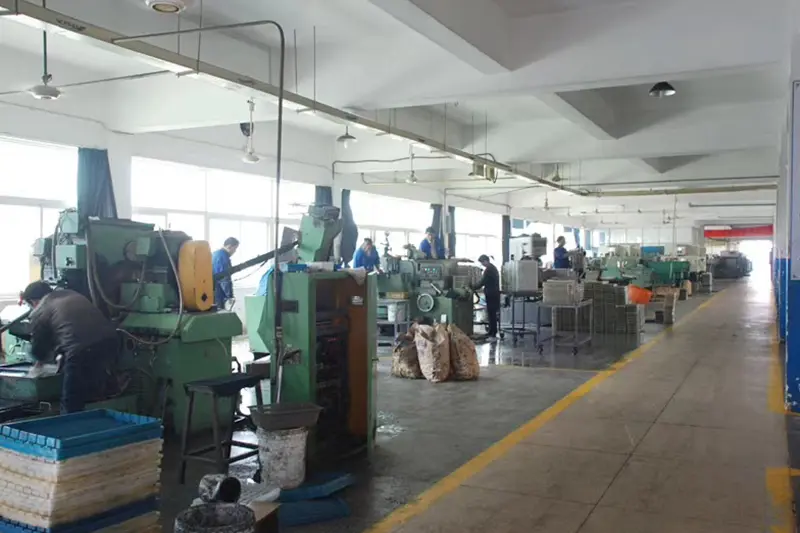
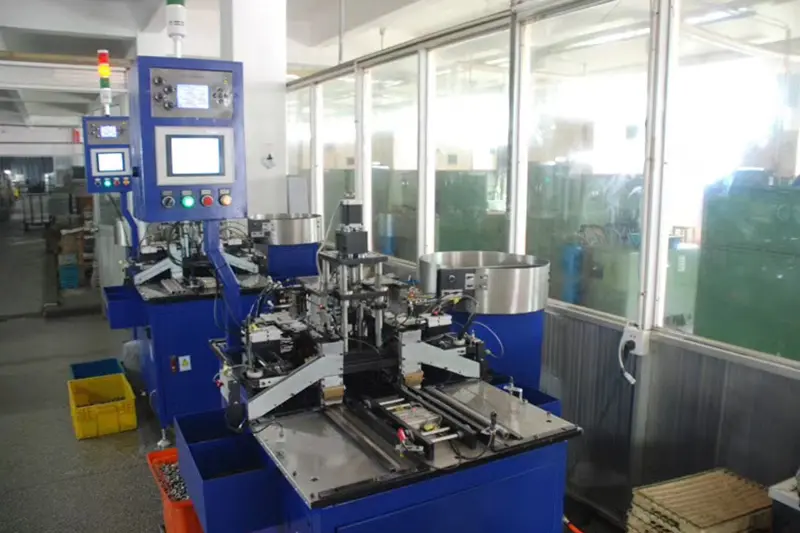
To mitigate rising labor costs and ensure component consistency, Chinese factories use automated production lines. These lines incorporate robotic forge presses, automated induction heaters, and high-speed CNC double-face grinders. In-line laser inspection units scan critical dimensions like bore diameter, roundness, and center-to-center length to guarantee zero defect delivery.
Leading suppliers implement rigorous Quality Assurance protocols, including:
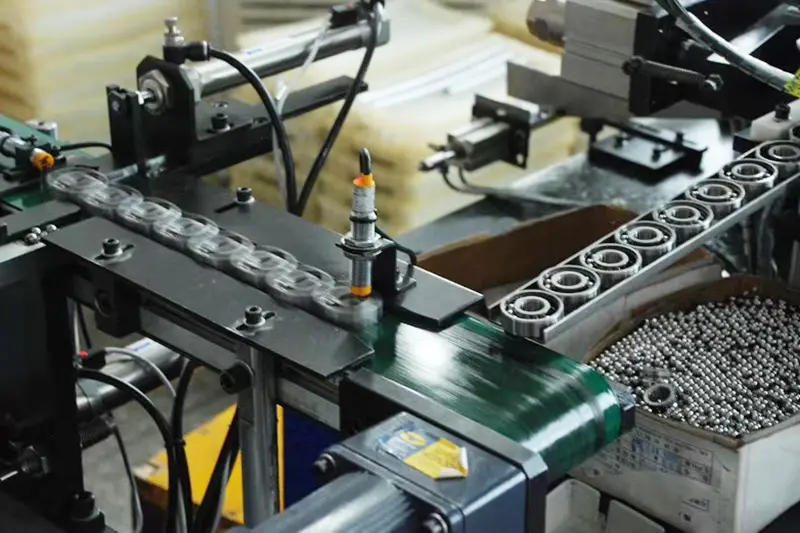
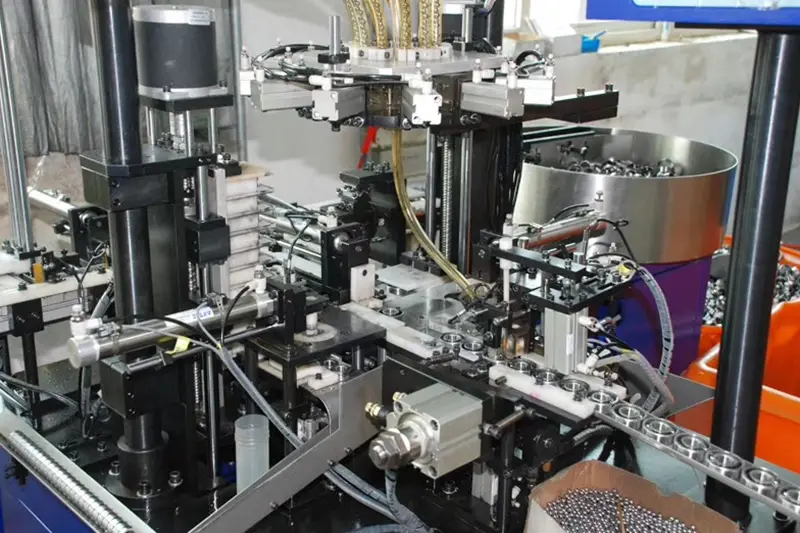
A transparent look at our machining centers, automated assembly lines, and warehouse operations.
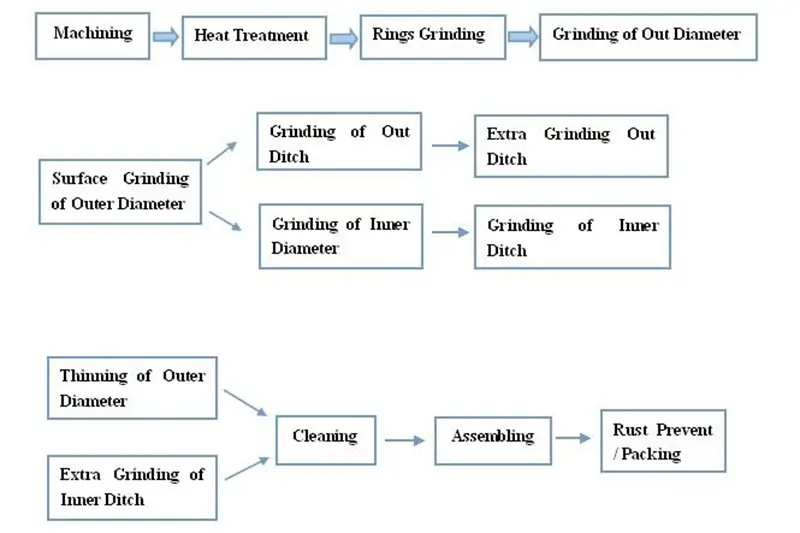
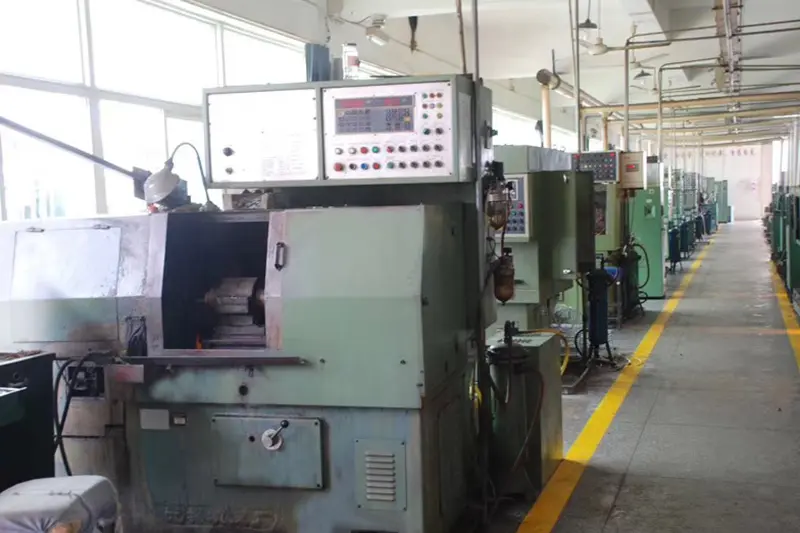
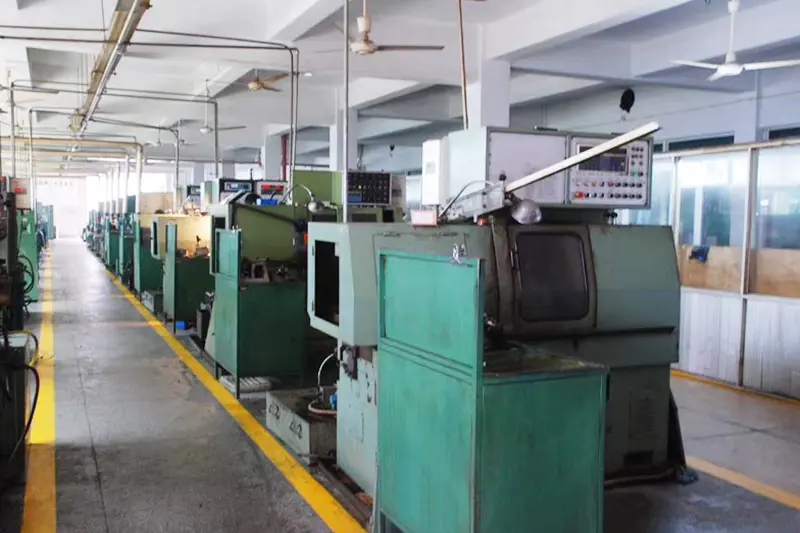
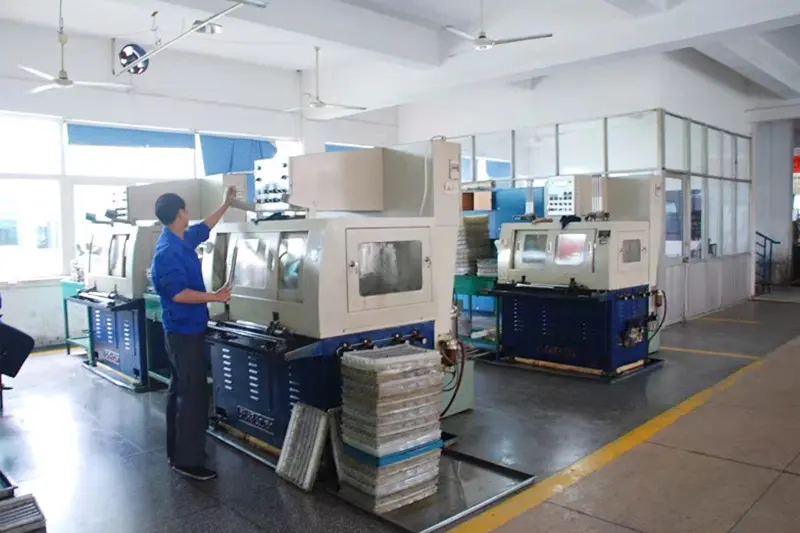
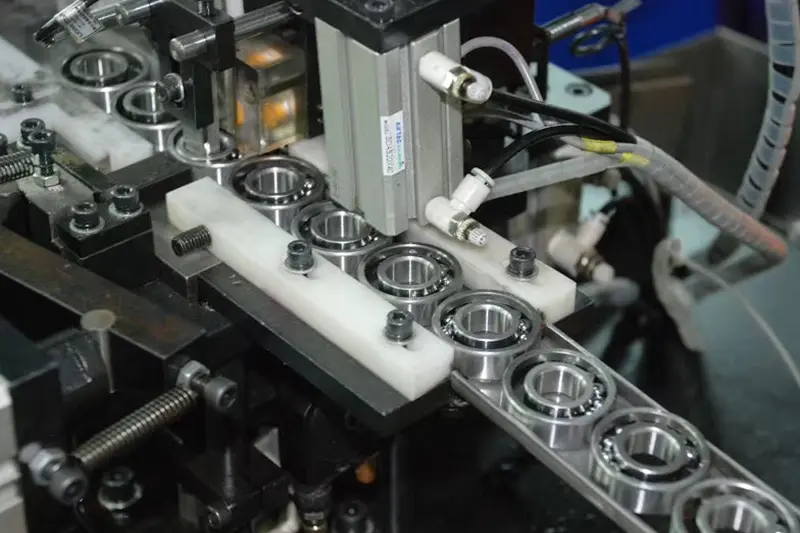

Our engineering and logistics teams are online from 8:00 to 17:00 every Monday to Saturday, providing updates and technical reviews.
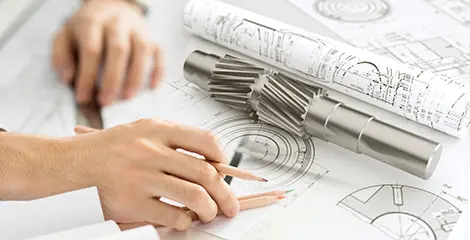
Comprehensive OEM/ODM partnership options are available. We process customized dimensions, markings, and packaging designs.

Leveraging our proximity to Ningbo and Shanghai ports, we consistently meet delivery timelines outlined in our commercial agreements.
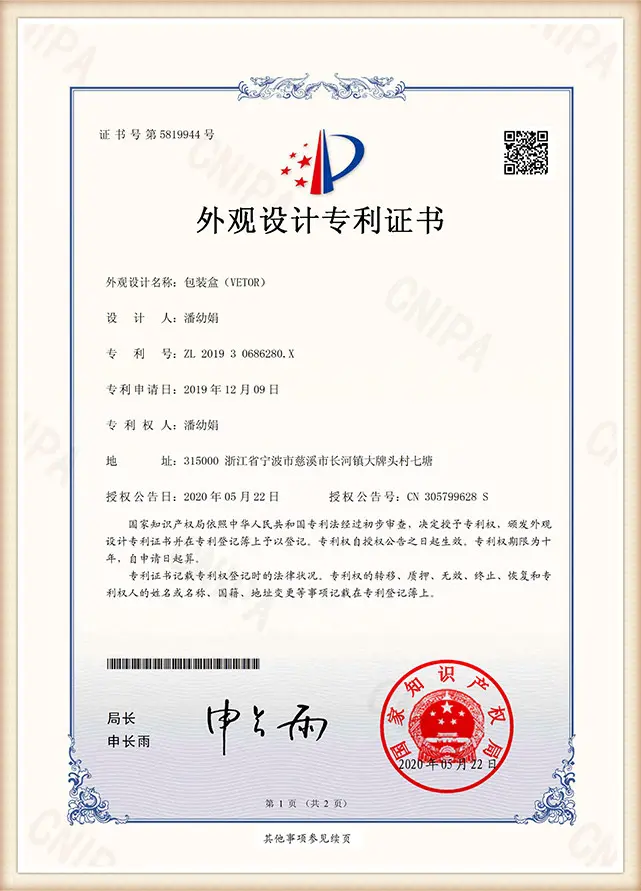
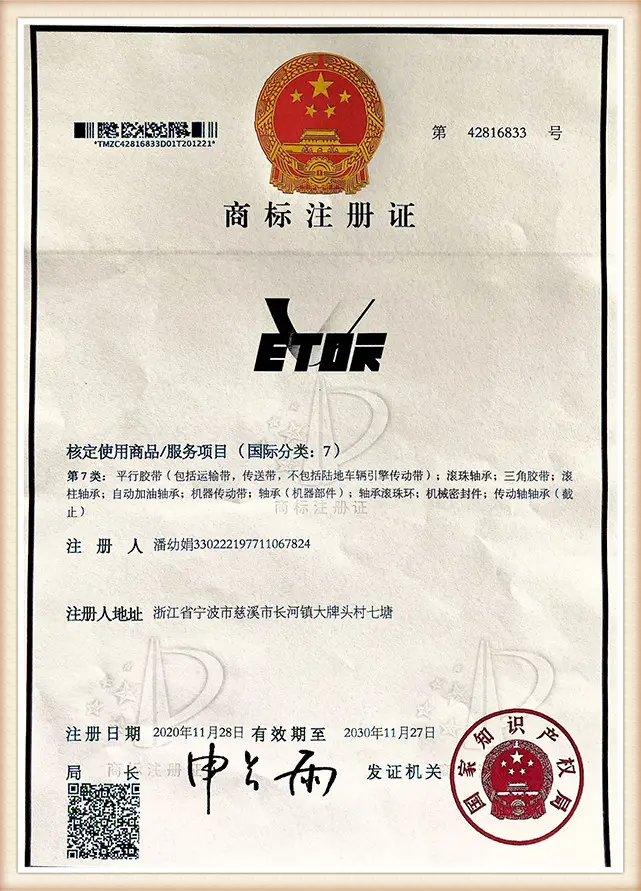
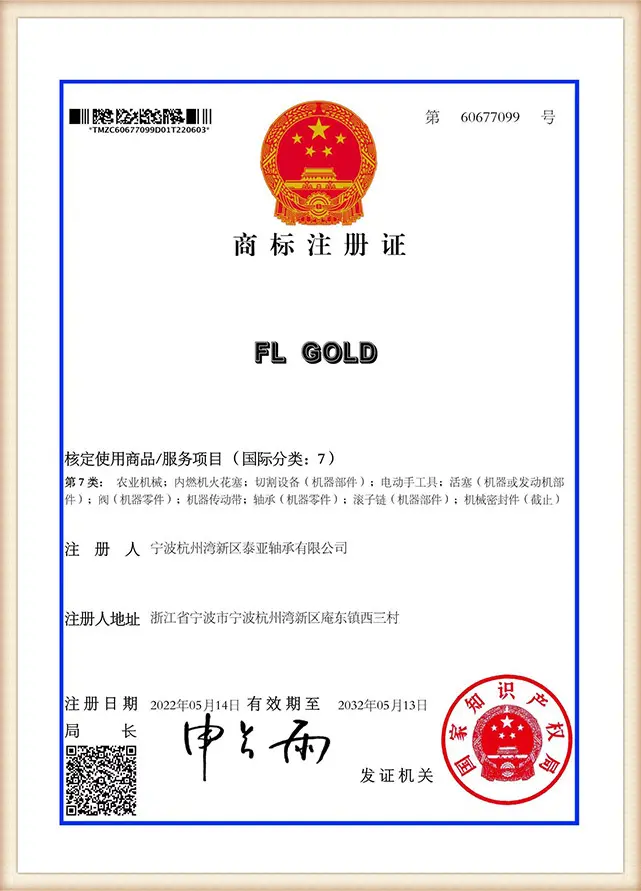
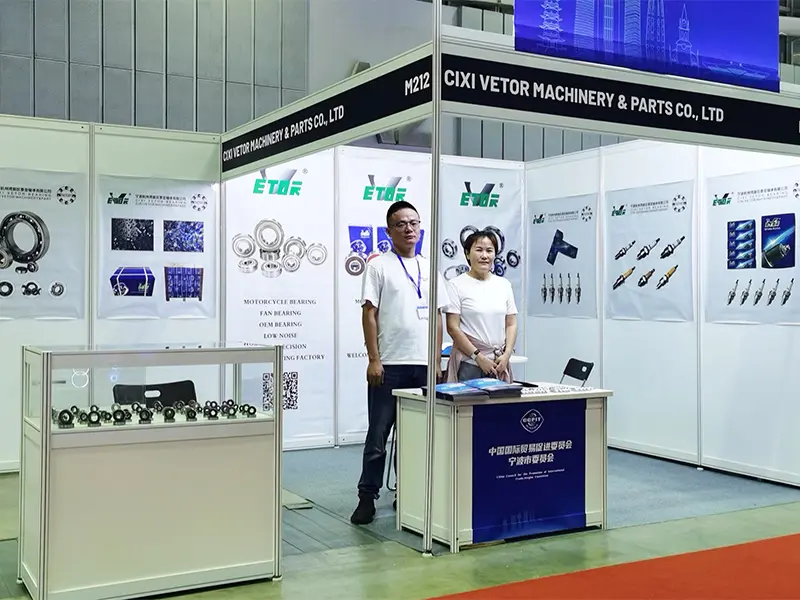
Audited factories, quality assurance certifications, and physical testing profiles.
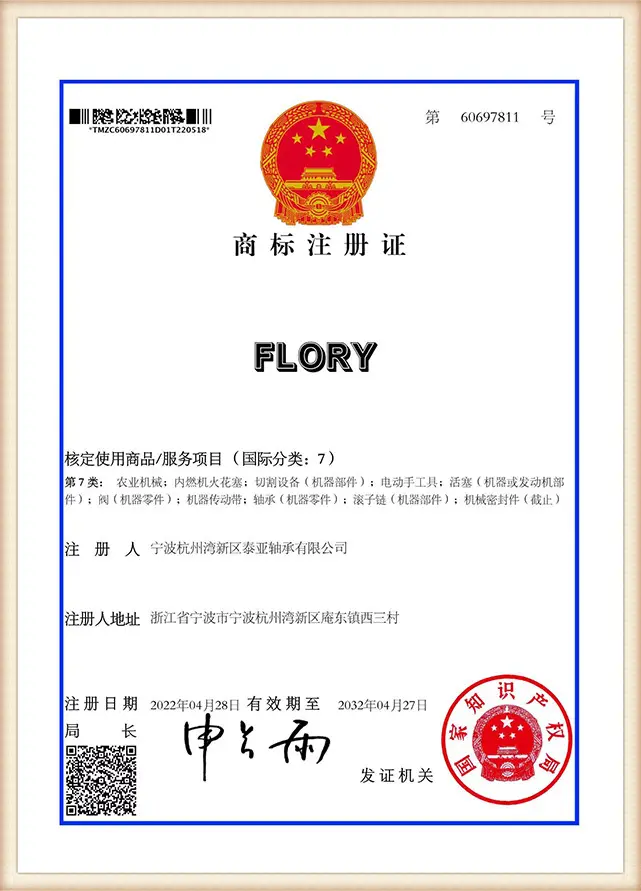
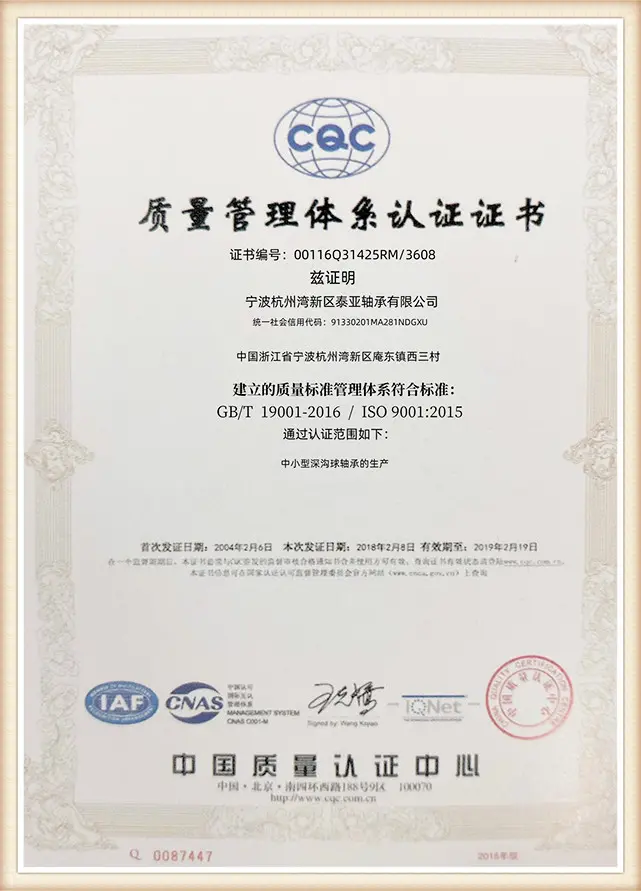
Answers to common questions regarding connecting rod manufacturing, sourcing, and quality control.
Complete your supply chain with our additional engine parts, bearings, and safety accessories.
 VETOR GROUP