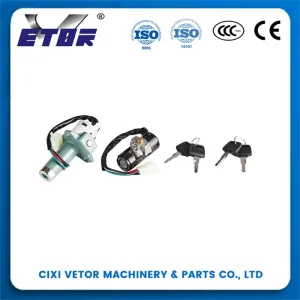
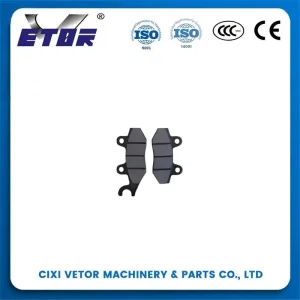
Engineered for high performance, maximum durability, and seamless mechanical compatibility across global setups.
Analytical Insight into Material Engineering, Quality Systems, and Market Distribution.
The global motorcycle brake pads market has experienced structural transitions driven by rising urbanization, delivery-fleet expansions, and stringent vehicle safety standards. As two-wheelers remain primary transit and commercial vehicles in developing economies and growing hobbyist segments in developed regions, the demand for highly reliable friction components is at an all-time high.
China represents the foundational backbone of the global motorcycle spare parts supply chain. Centered in manufacturing hubs like Zhejiang and Guangdong, suppliers combine economies of scale with advanced metallurgical research to deliver OEM and aftermarket components that comply with global safety classifications. VETOR GROUP, established in 2005, leverages Cixi City’s prominent industrial base along Hangzhou Bay to bridge the gap between robust Chinese manufacturing capacities and international quality standards. With direct transport routes to Shanghai Port and Ningbo Port, we ensure that global exporters benefit from optimized supply chain timelines, reducing shipping lead times and operational friction.
Choosing the right friction material requires balancing coefficient of friction, operating temperature range, wear resistance, noise, and environmental regulations. Modern brake pads are generally grouped into four main material categories:
| Material Formulation | Coefficient of Friction (μ) | Optimal Temp Range | Key Strengths | Ideal Application Scenarios |
|---|---|---|---|---|
| Organic (Non-Asbestos Organic - NAO) | 0.35 – 0.42 | 0°C – 300°C | Extremely quiet, minimal rotor wear, low cost | Light urban commuters, low-displacement scooters |
| Semi-Metallic | 0.38 – 0.48 | 50°C – 550°C | High thermal stability, versatile, durable | Standard motorcycles, daily urban commuting |
| Ceramic Compounds | 0.40 – 0.50 | 0°C – 600°C | Ultra-low dust, minimal noise, consistent feel | Cruisers, premium touring, high-reliability setups |
| Sintered Copper-Based | 0.45 – 0.60 | 100°C – 800°C | Zero thermal fade, wet-weather performance | High-displacement racing, off-road dirt bikes, heavy duty |
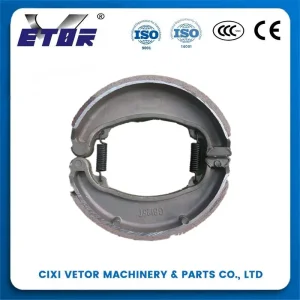
For heavy-duty applications, such as the China DL250 Motorcycle Brake Pads, sintered formulations offer high heat resistance. During sintering, copper particles and other metallic elements are fused under intense pressure and temperature. This produces a pad that retains its stopping power even under extreme, repeated braking conditions, preventing the thermal fade that can affect organic and semi-metallic pads.
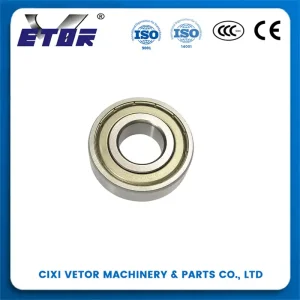
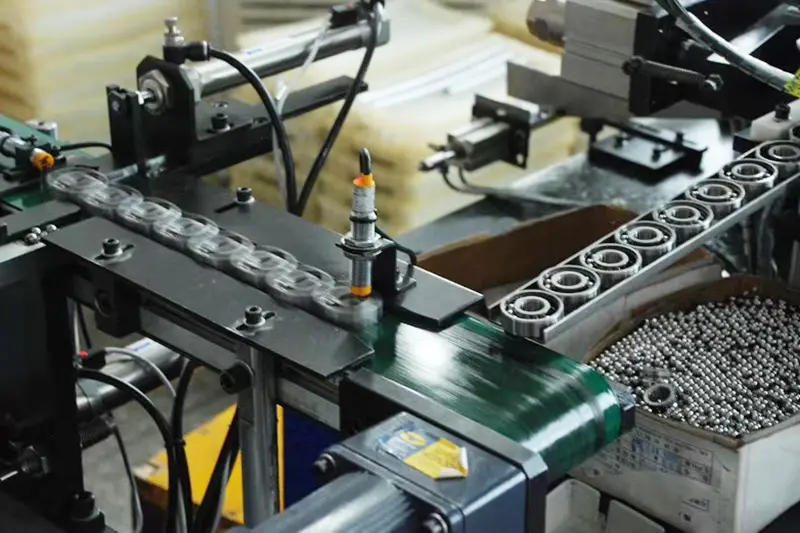
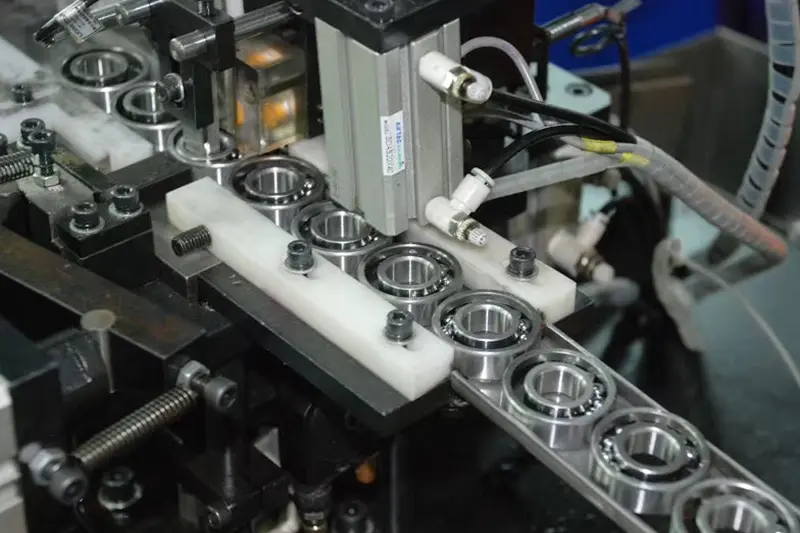
VETOR GROUP has built a reputation as a trusted foreign trade group specializing in vehicle components, bearings, and heavy-duty wear parts. Through our in-house manufacturing facility, we specialize in high-precision deep groove ball bearings and EMQ (Electric Motor Quality) grade bearings with inner ring dimensions spanning 6mm to 90mm.
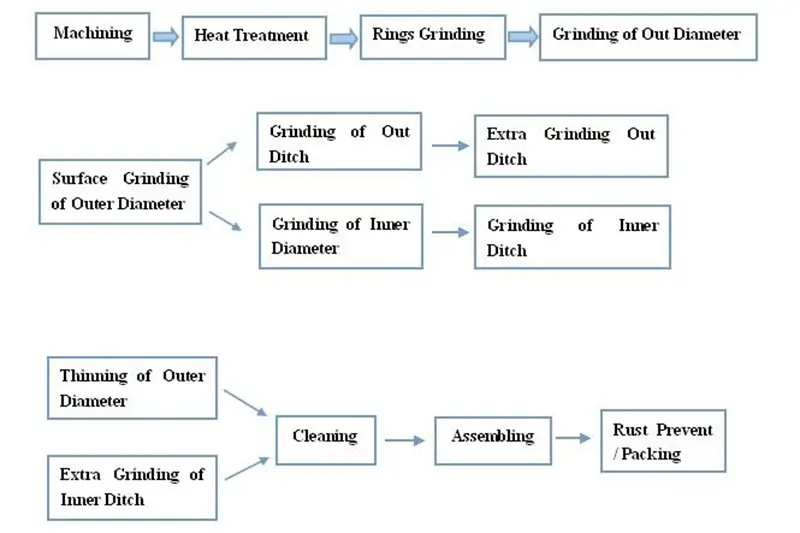
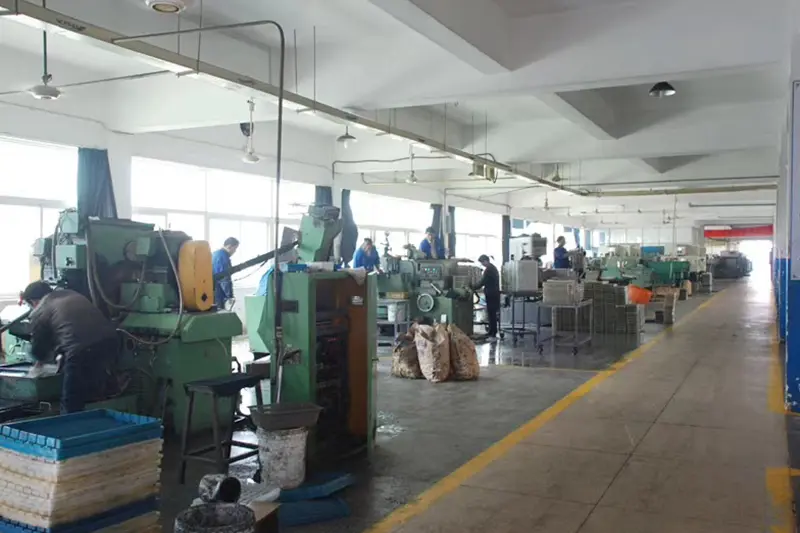
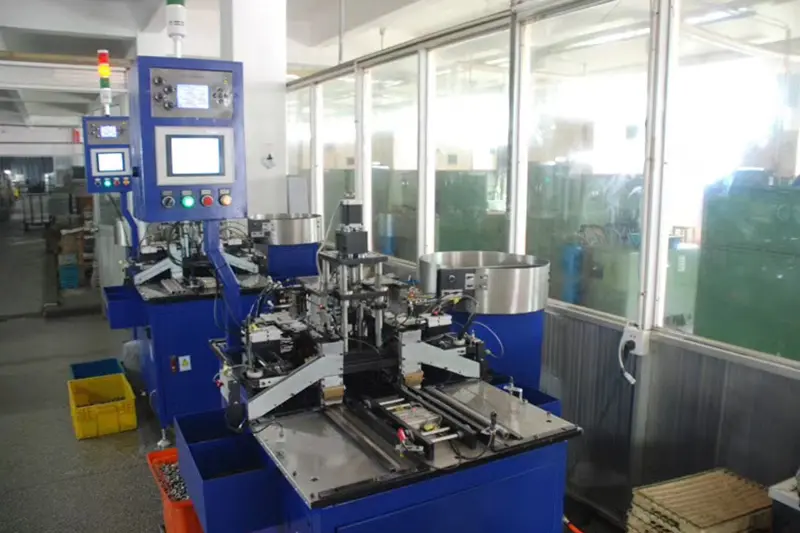
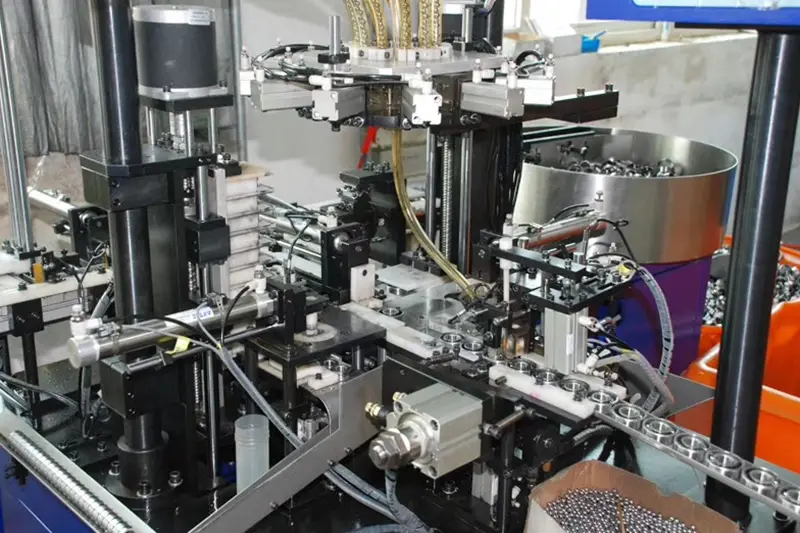
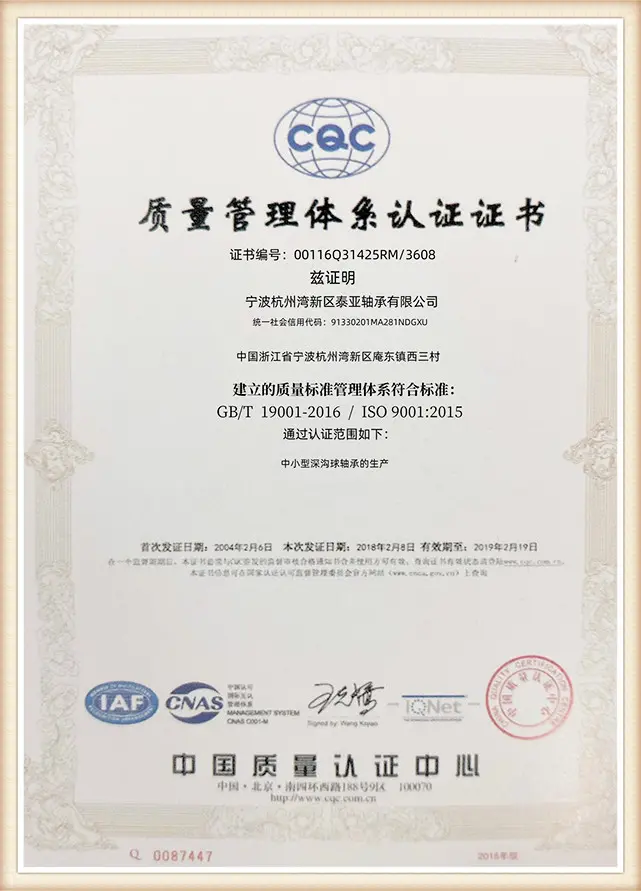
Our manufacturing processes follow the ISO9001 standard. By integrating raw material sourcing, automated grinding, and precise quality control, VETOR brand products deliver quiet operation, minimal vibration, low friction, and long service life. This systematic approach ensures reliable performance across diverse applications, from household appliances and electric motors to heavy-duty off-road motorcycles.
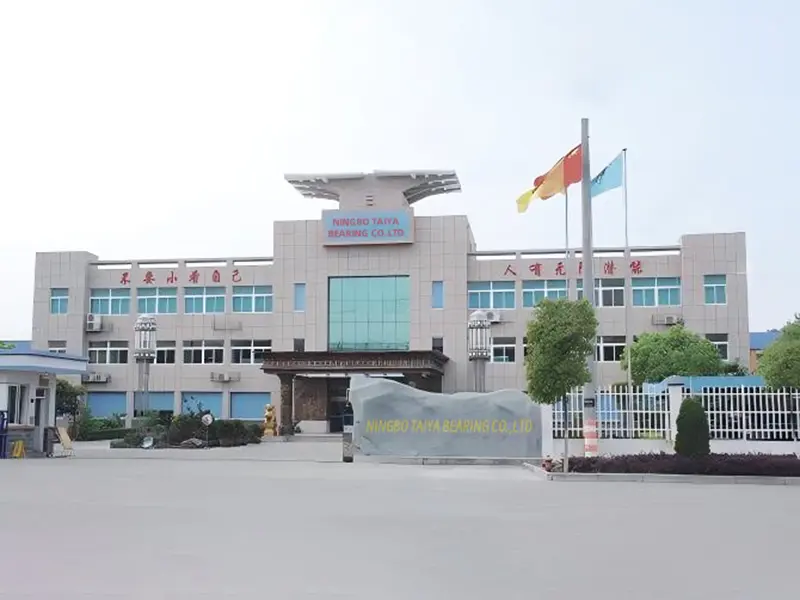
Our operational standards focus on precision and durability across all product lines.
Super-finished raceways and optimized friction formulas minimize energy loss, vibration, and unwanted noise.
Equipped with advanced rubber or metal shields to block dust and water, extending component lifespans in tough conditions.
Manufactured using heat-treated chrome steel and robust backing plates to ensure structural stability under thermal stress.
Friction pads and bearings undergo comprehensive acoustic and vibration testing to ensure quiet, reliable performance.
Addressing the future of stopping power with environmentally-conscious material science.
Traditional sintered brake pads rely on copper for heat dissipation and lubrication. However, environmental regulations are restricting copper due to its impact on marine life. Our R&D is focused on developing ceramic-carbon and iron-sulfide matrices that match copper's thermal properties while meeting environmental rules.
VETOR uses automated hot pressing lines to apply uniform pressure and heat across the pad. This process achieves consistent density throughout the friction material, reducing uneven wear, preventing crack formation, and providing a stable brake lever feel.
To prevent friction material from separating from the backing plate, our pads use a mechanical retention system paired with high-temperature phenolic resins. This combination resists high shear forces, keeping the assembly intact under emergency braking conditions.
With the rise of connected fleet telematics, we are exploring the integration of wear indicators and temperature sensors directly into the backing plate. This allows logistics operators to monitor brake health in real time, supporting predictive maintenance strategies.
Explore our specialized range of automotive, motorcycle, and industrial components.
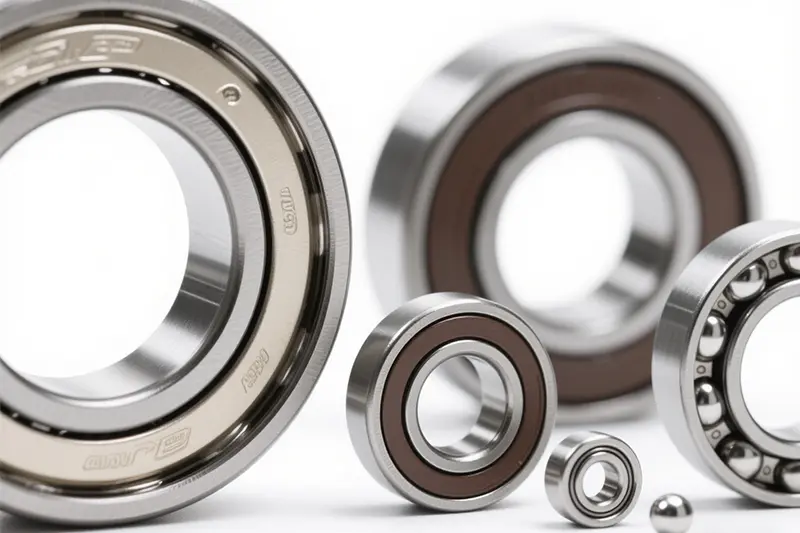
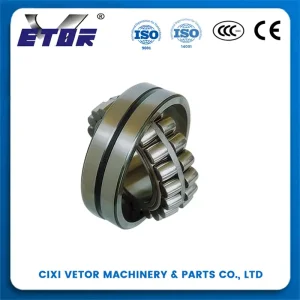
Precision deep groove ball bearings and EMQ grade bearings (6mm-90mm) engineered for quiet operation and long service life.
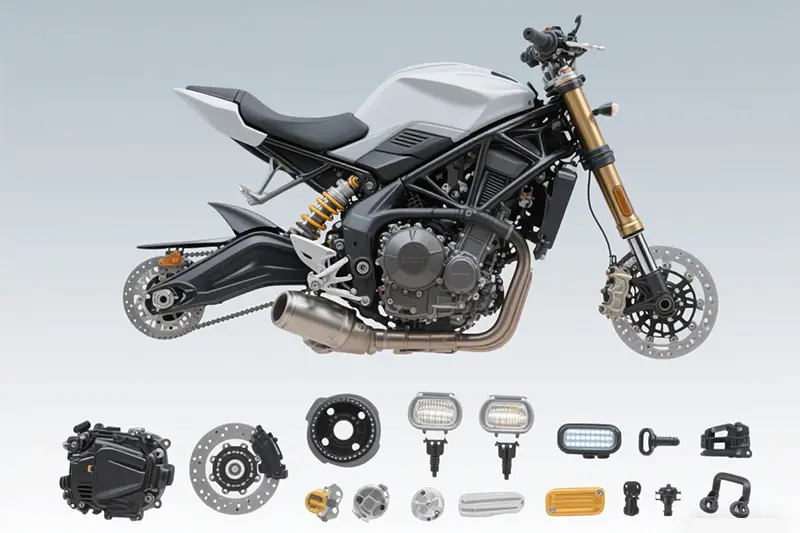
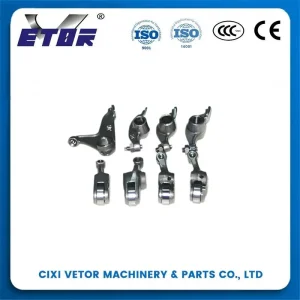
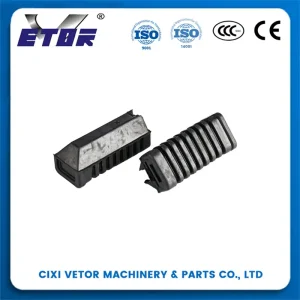
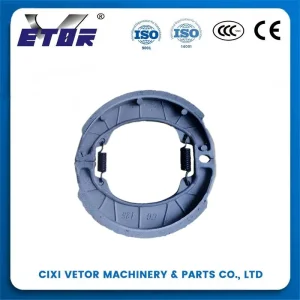
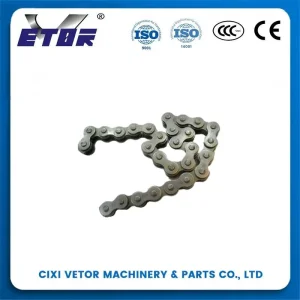
Durable brake pads, brake shoes, chains, sprockets, and rocker arms designed to meet OEM specifications.
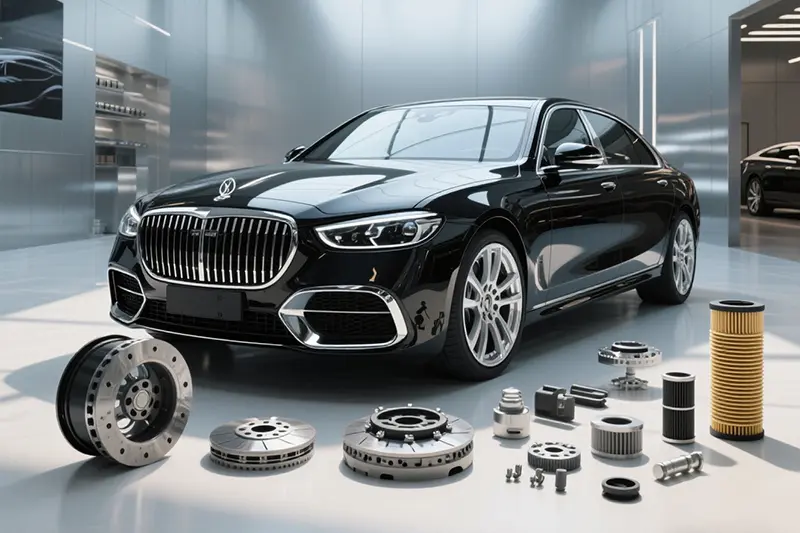
Comprehensive cooling, suspension, steering, and transmission components manufactured under strict quality standards.
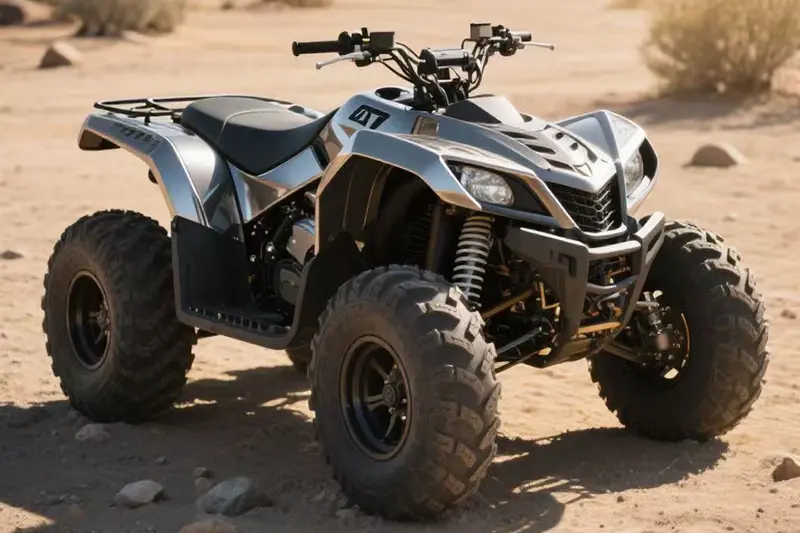
Heavy-duty drive train parts and protective body components engineered for challenging off-road terrains.
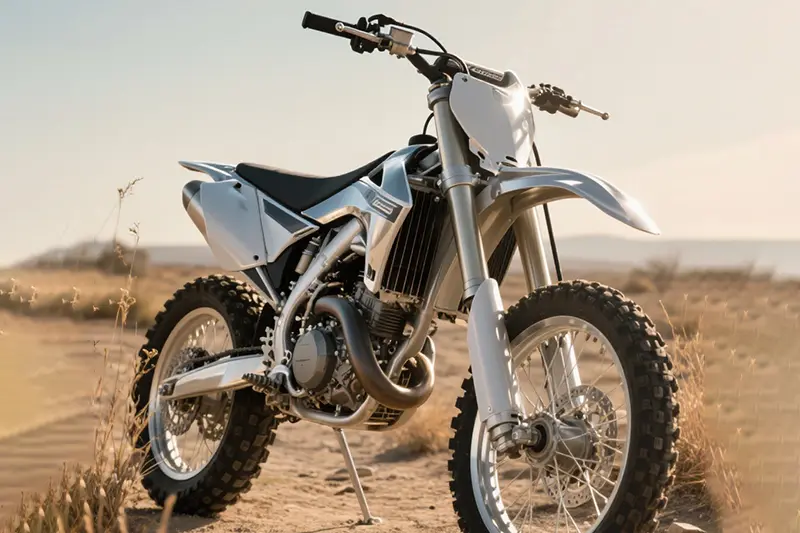
Lightweight frames, high-clearance exhaust systems, and performance suspension upgrades for competitive off-road use.
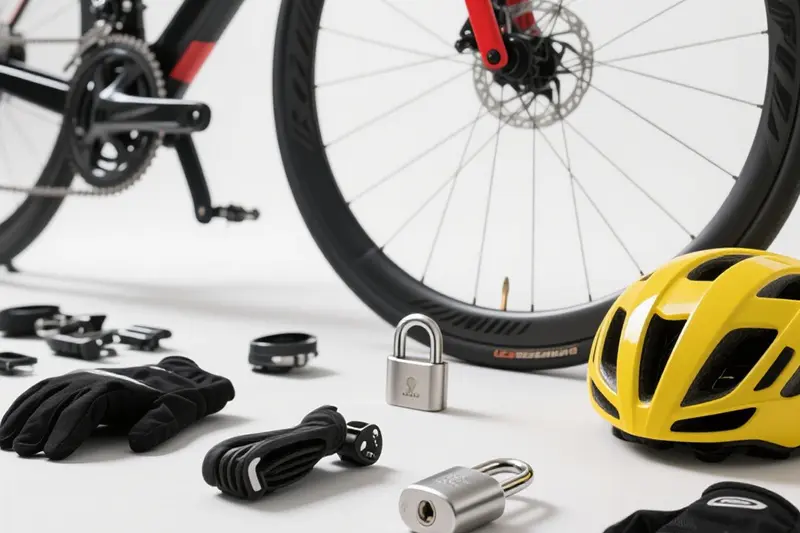
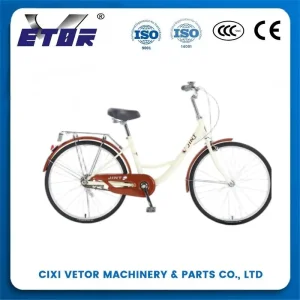
Lightweight frames, hubs, and reliable braking components designed for road, mountain, and utility bikes.
Reliable support, custom manufacturing, and global logistics solutions.

Our sales and technical support teams are available from 8:00 to 17:00, Monday through Saturday, to assist with RFQs and order tracking.

We provide tailormade branding, custom packaging, and engineering adjustments to support local distribution needs.

We work with major logistics hubs in Shanghai and Ningbo to secure container space and ensure shipments meet agreed timelines.
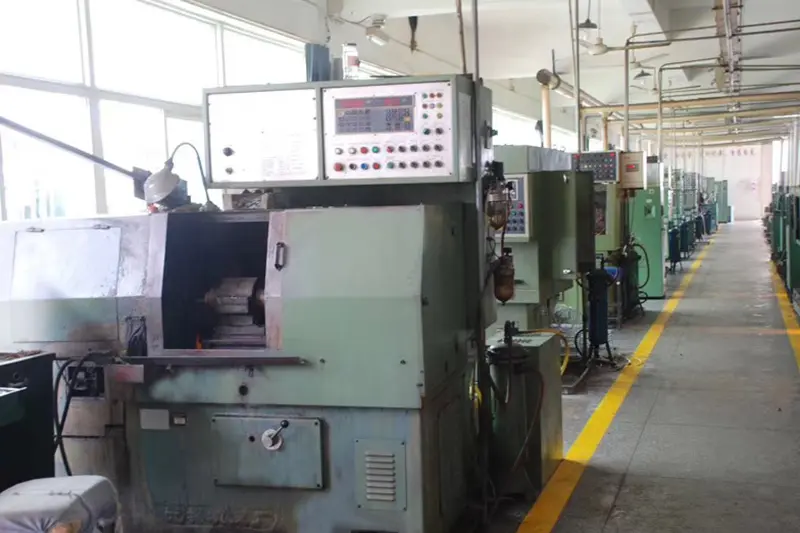
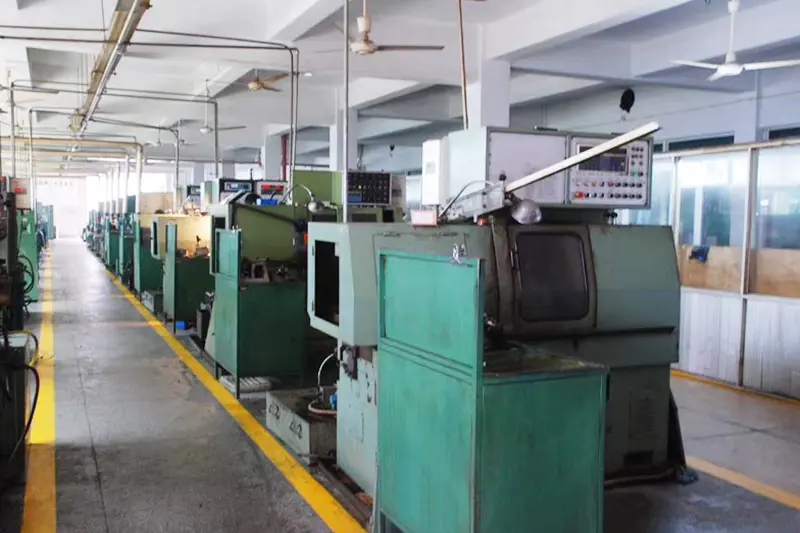
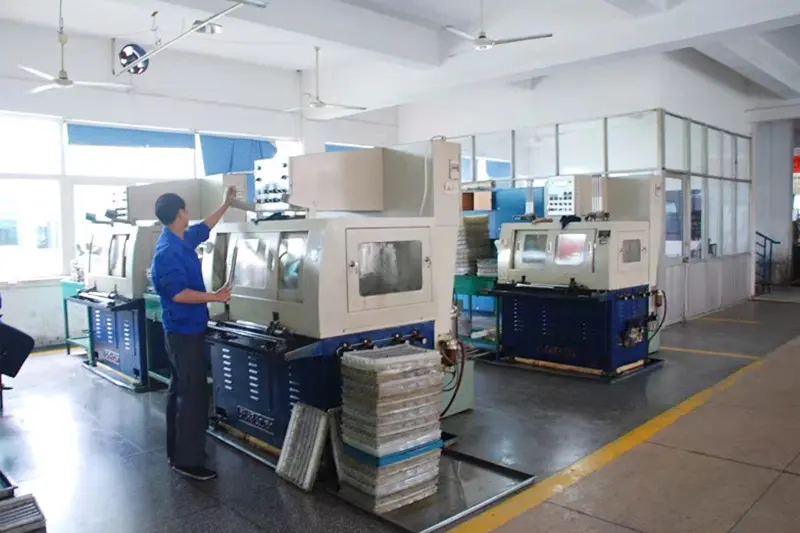
A look at our machining, grinding, and automated assembly operations.
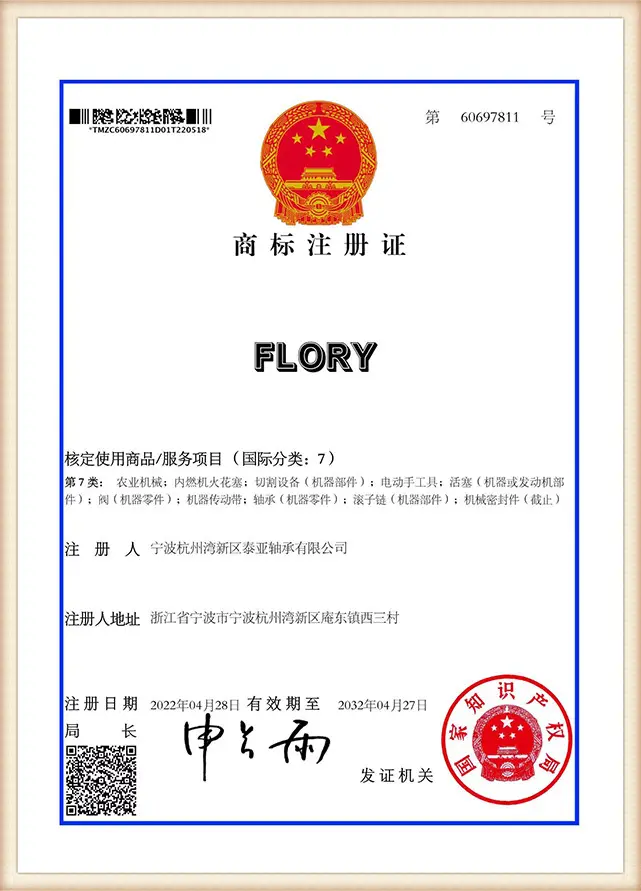
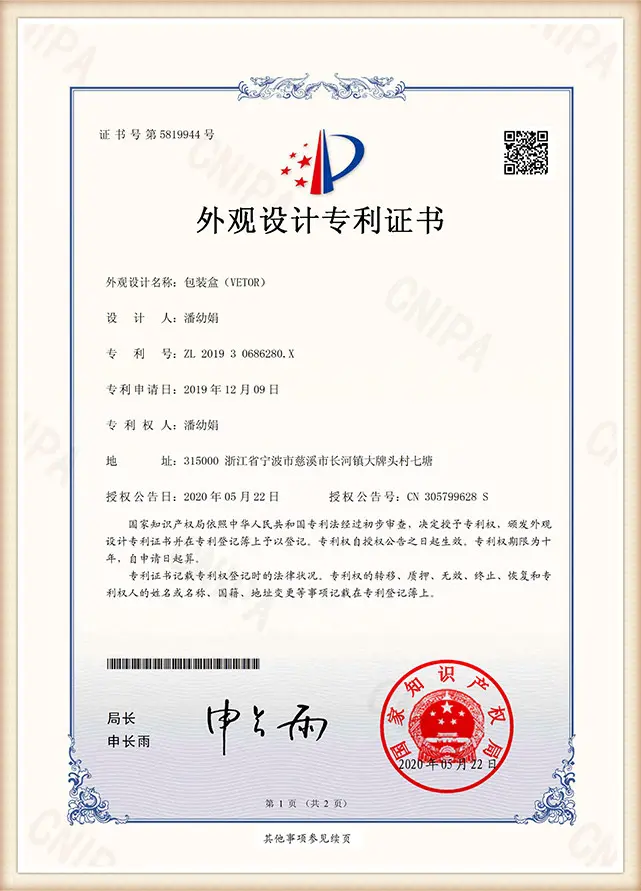
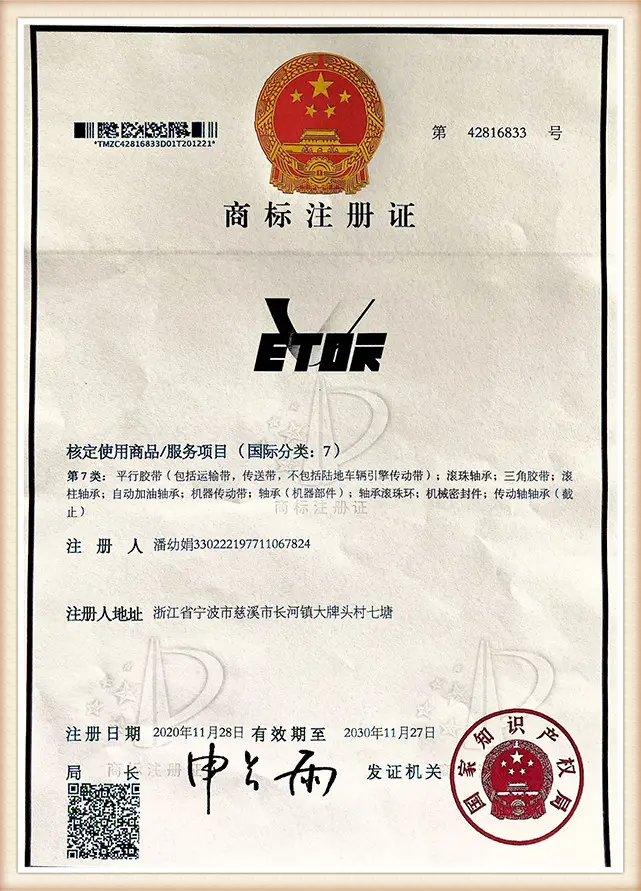
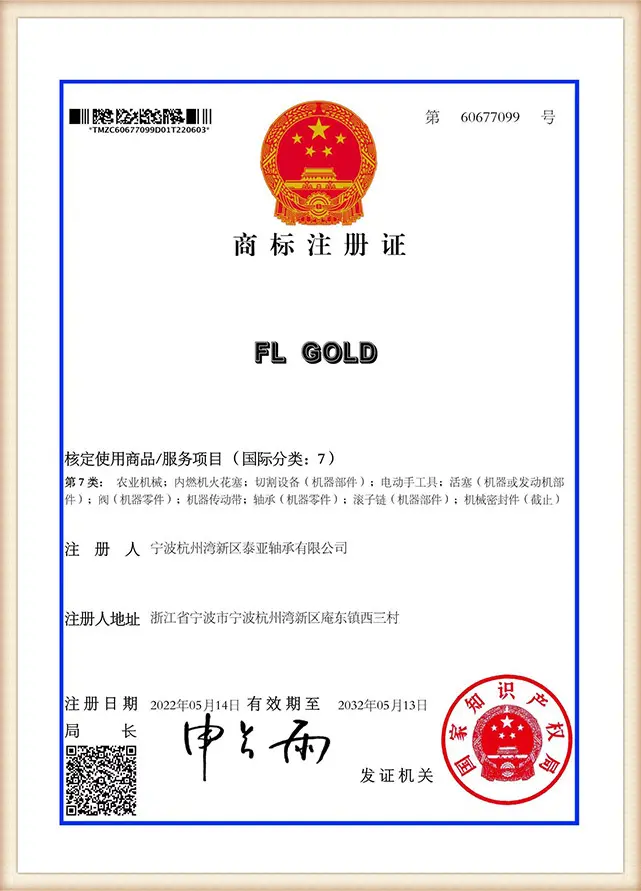
Verified compliance with global standards, ensuring product reliability.
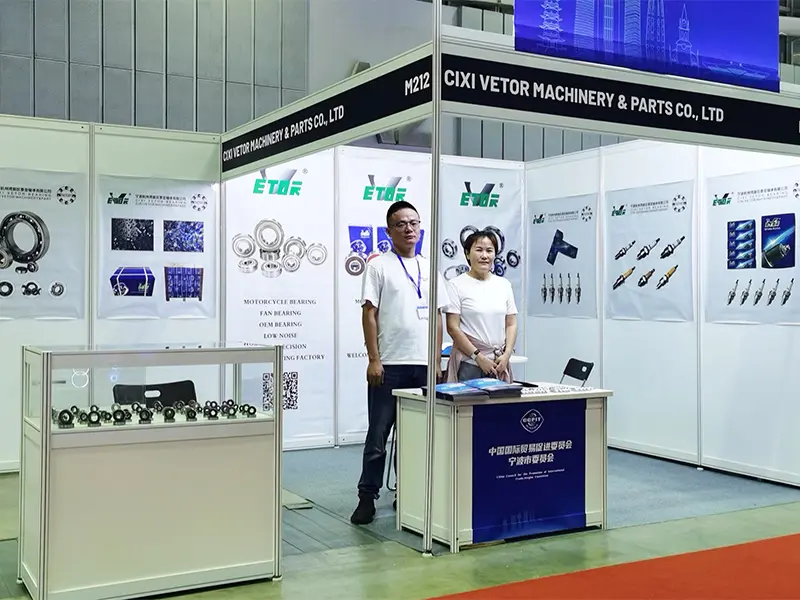
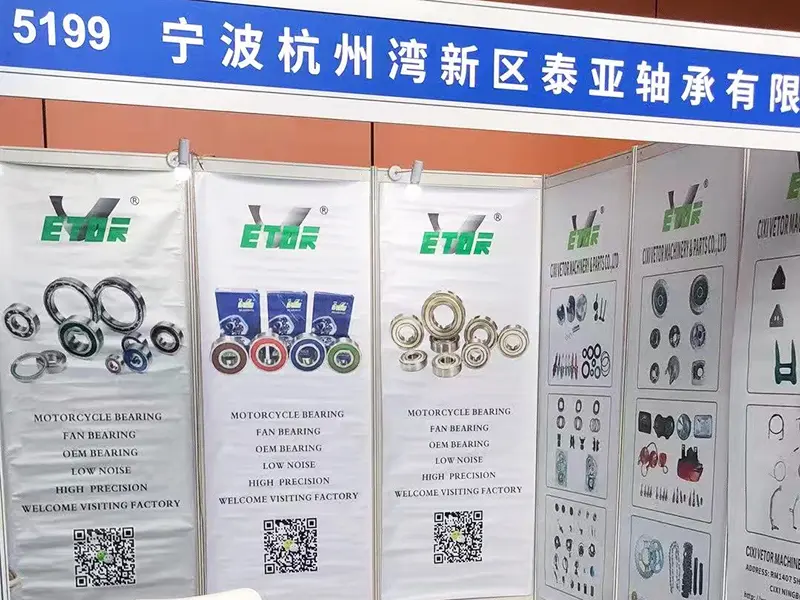
Connecting with clients and showcasing our latest components at international trade shows.
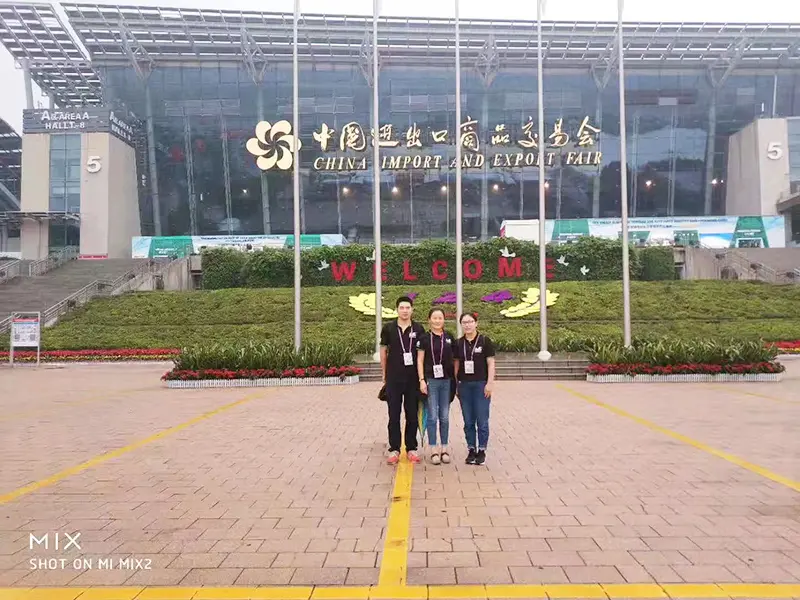
Answering key questions on sourcing, manufacturing, and performance standards.
Complete B2B catalog covering high-efficiency lighting, chassis, ignition, and power transmission parts.
 VETOR GROUP