Explore our top-performing components manufactured to exact global compliance criteria, designed for maximum reliability and vehicle performance.
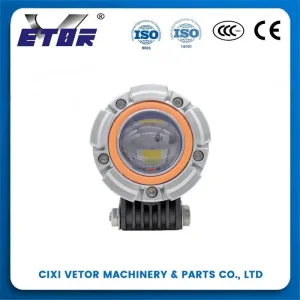
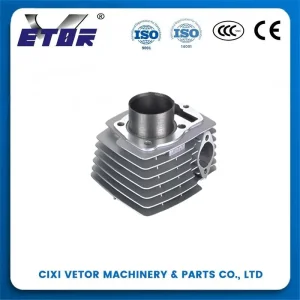
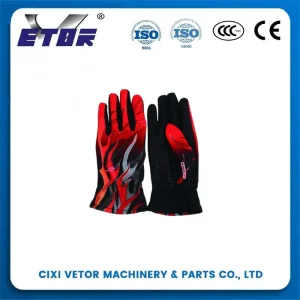
The paradigm shift in global safety standards and aesthetic integration requirements for motorcycle rear lighting systems.
Traditional incandescent motorcycle tail lights are rapidly being replaced by advanced Solid-State Lighting (SSL) technologies. Modern B2B buyers demand surface-mounted diode (SMD) LEDs and Chip-on-Board (COB) architectures. These components offer massive luminous efficacy improvements, boasting longer runtimes, significantly lower heat emission, and high tolerance to vehicular battery voltage spikes. Leading vehicle platforms are now migrating to organic LED (OLED) systems, offering ultra-thin light guides and customizable dynamic light styling to set brand identities in saturated consumer markets.
Road safety mandates are driving the development of active signalling. Adaptive tail lights adjust illumination output depending on ambient light sensors and real-time deceleration rates (using integrated IMUs in modern motorcycles). Under heavy braking, the tail light initiates a strobe or rapid-flashing warning sequence to warn drivers behind the rider. Additionally, sequential turn signals utilize sequential micro-controllers that slide light indicators linearly, enhancing visibility by up to 38% in low-visibility environments.
Exposure to extreme environmental forces requires rugged exterior designs. Quality tail lights feature housings built of Polycarbonate (PC) with high UV-stabilization properties and lens elements created using optical-grade PMMA. Seal integrity is critical; leading manufacturers leverage liquid polyurethane gasket dispensing systems to guarantee strict IP67/IP68 dust and water resistance ratings. Lenses are treated with specialized anti-scratch and anti-condensation coatings to ensure consistent photometric patterns across decades of operation.
Understanding what tier-1 distributors, OEMs, and industrial motorcycle assemblers require when evaluating sourcing partners.
| Technical Evaluation Criteria | Standard Performance Range | High-Quality Procurement Benchmark (VETOR Standards) |
|---|---|---|
| Luminous Output (Brake Signal) | 40 - 80 Candelas (cd) | > 110 Candelas (Ultra-visible collimated optics) |
| Operating Voltage Stability | 9V - 16V DC | 9V - 32V DC (Equipped with overvoltage & reverse polarity protection) |
| Lens Light Transmission | 75% - 82% | > 92% (High-transmittance optical PMMA) |
| Thermal Management | FR-4 standard PCB board | Metal-core PCB (MCPCB) with high thermal-conductive interface materials |
| Vibration Endurance | 10Hz to 55Hz (General automotive) | JIS D1601 compliant sweep tests (designed for high-vibration engine layouts) |
Industrial procurement managers do not just buy a component; they purchase supply chain consistency. Sourcing tail lights requires verification of photometric goniophotometer test reports, electromagnetic compatibility (EMC) testing, and strict raw material traceability. A single component failure in the field can trigger mass safety recalls, damaging brand reputation and eroding profit margins. This makes choosing ISO9001-certified manufacturers with verified chemical, electrical, and optical test laboratories a non-negotiable benchmark.
Integrating advanced logistics clusters, precision engineering, and robust global shipping networks.
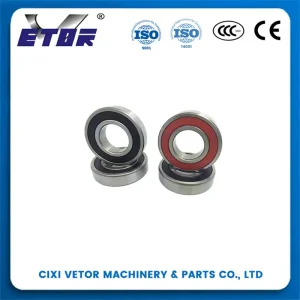
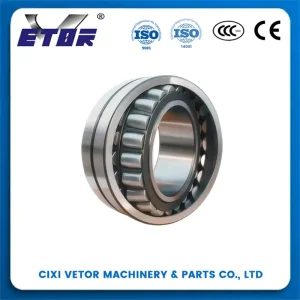
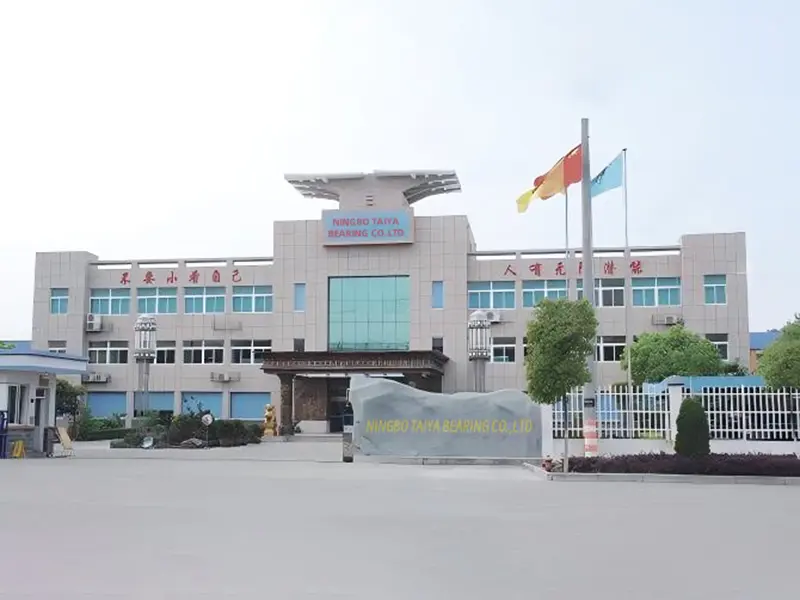
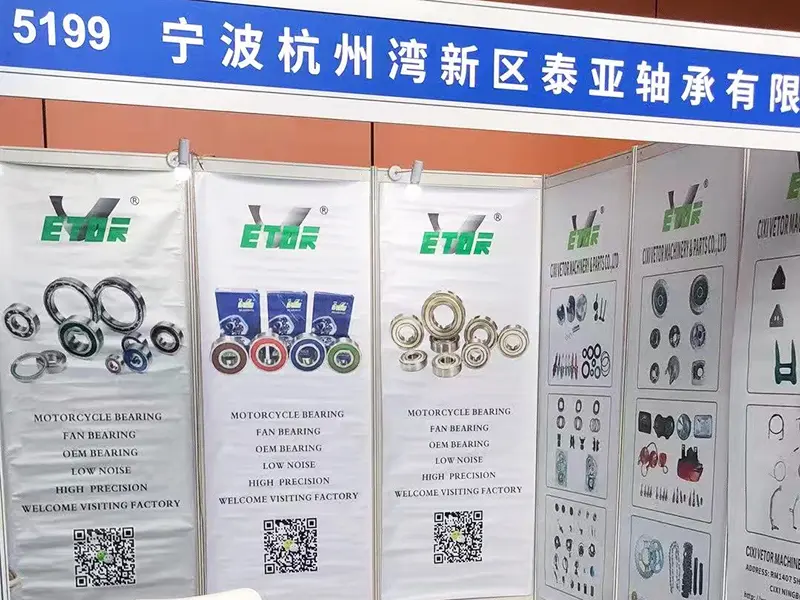
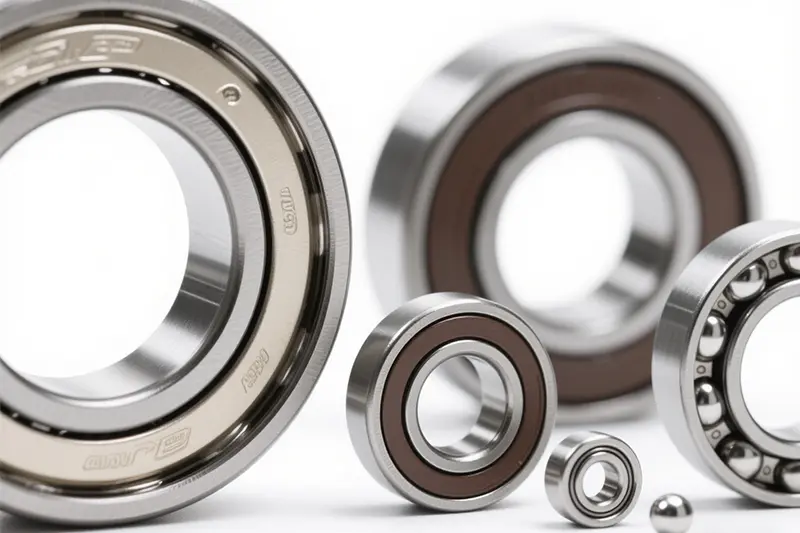
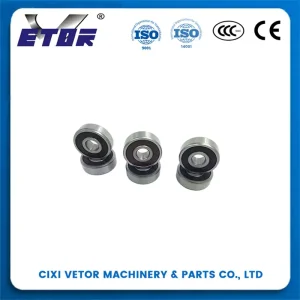
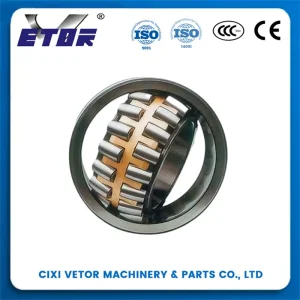
VETOR GROUP's manufacturing strength is supported by our dedicated bearing facility, specializing in deep groove ball bearings and EMQ (Electric Motor Quality) grade bearings (inner rings ranging from 6mm to 90mm). Our VETOR brand bearings are globally recognized for:
This focus on precision mechanical components defines our engineering philosophy. We apply the same quality control mechanisms to motorcycle electronics, plastics, and safety assemblies, including motorcycle tail lights.
VETOR GROUP incorporates computerized production lines, automatic lens-housing sonic welding, and robotic optical testing to ensure consistency. By minimizing manual steps in soldering, assembly, and testing:
VETOR GROUP operates a transparent facility, validating every production stage from raw material to shipping testing.
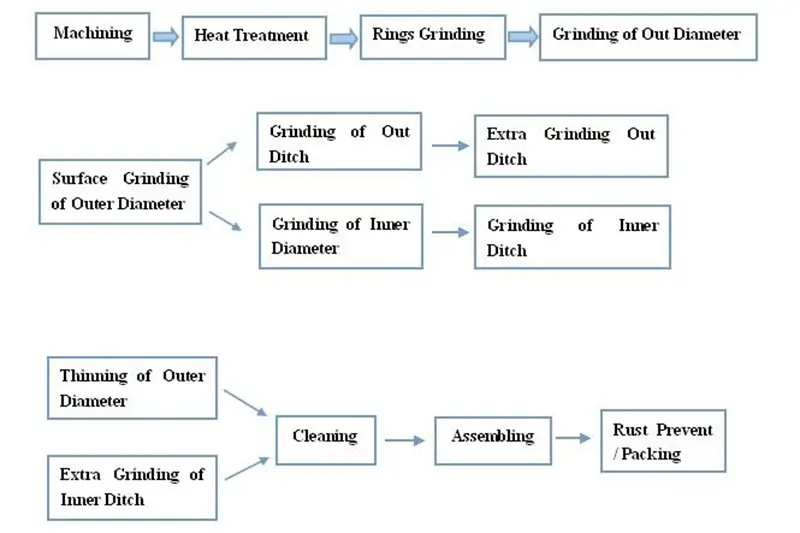
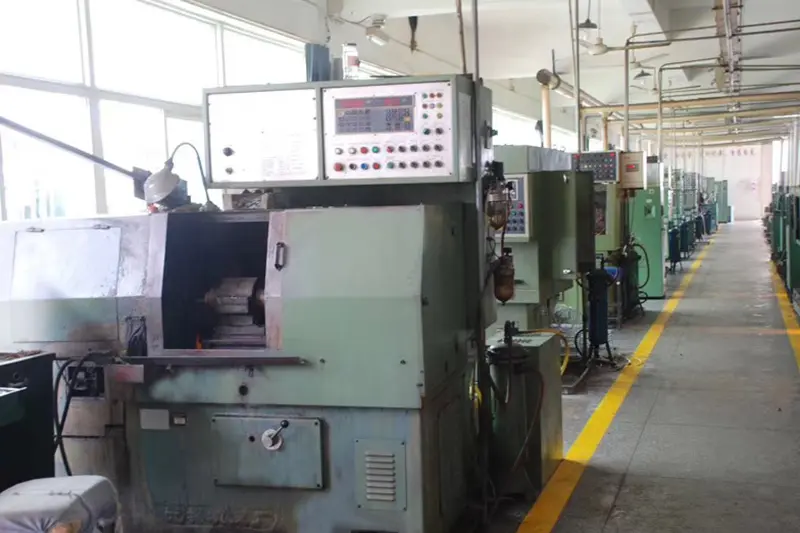
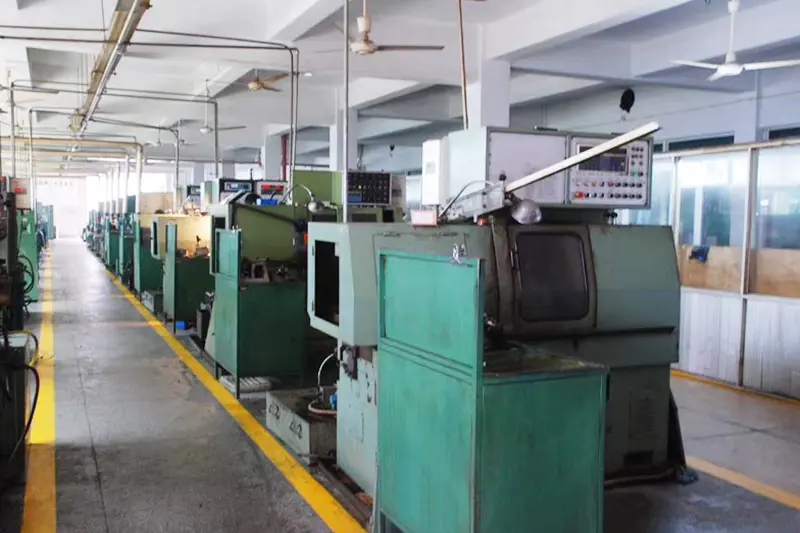
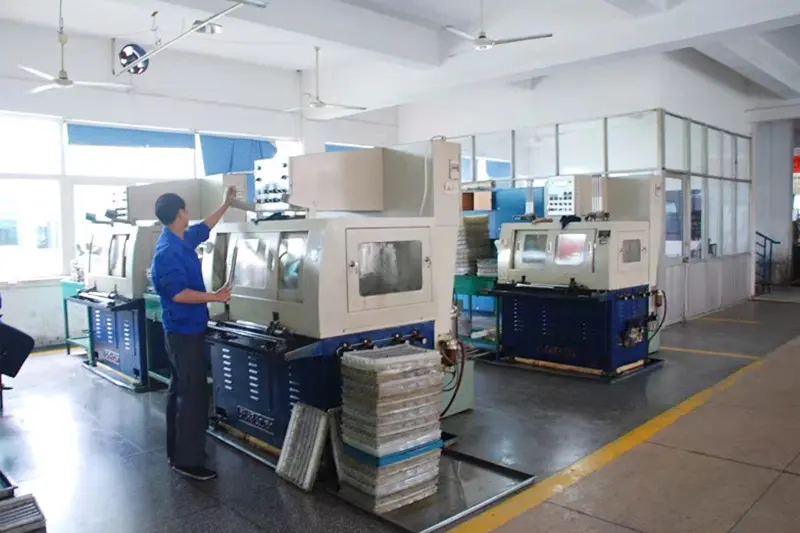
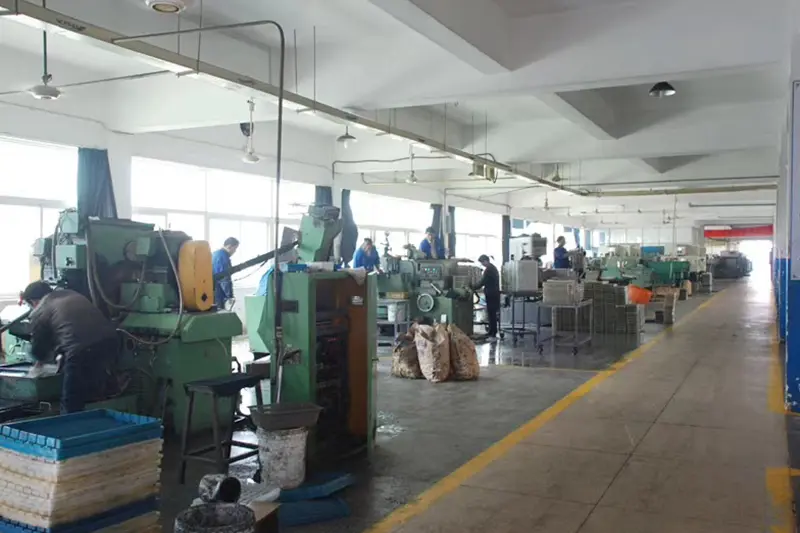
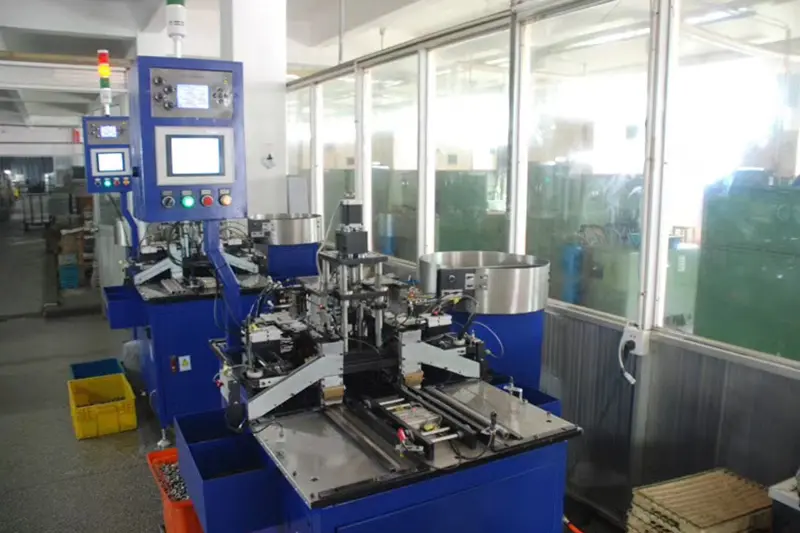
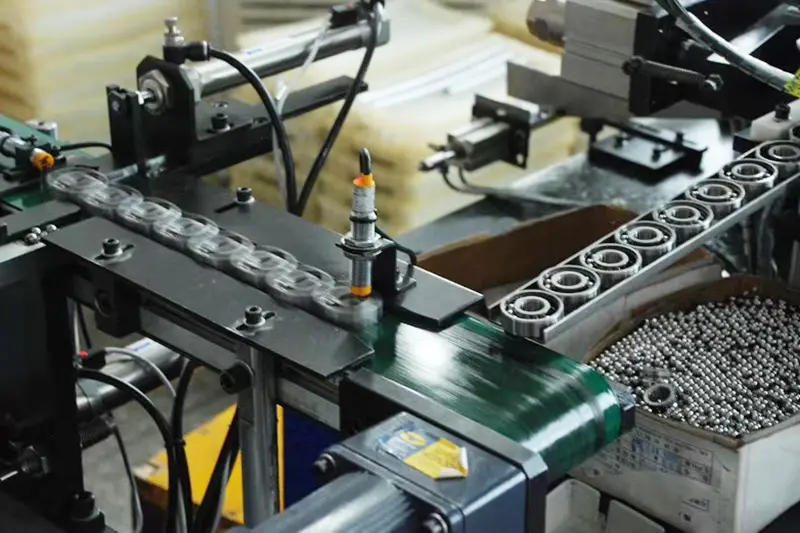
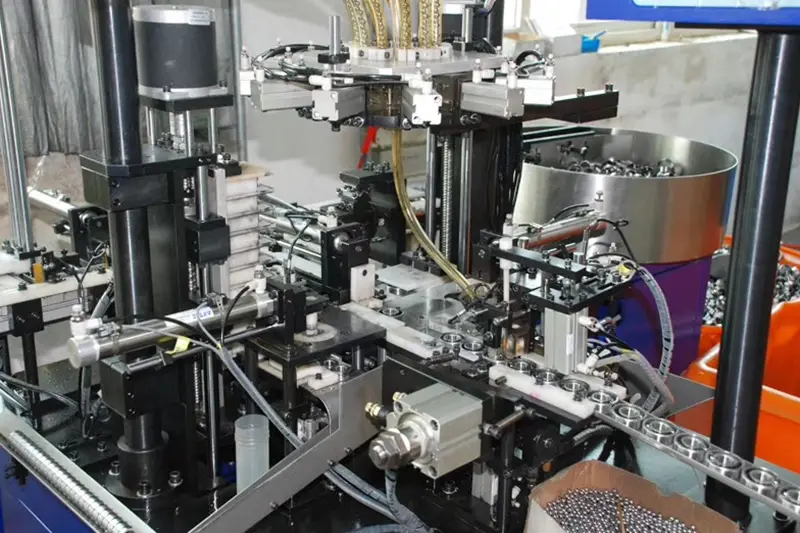
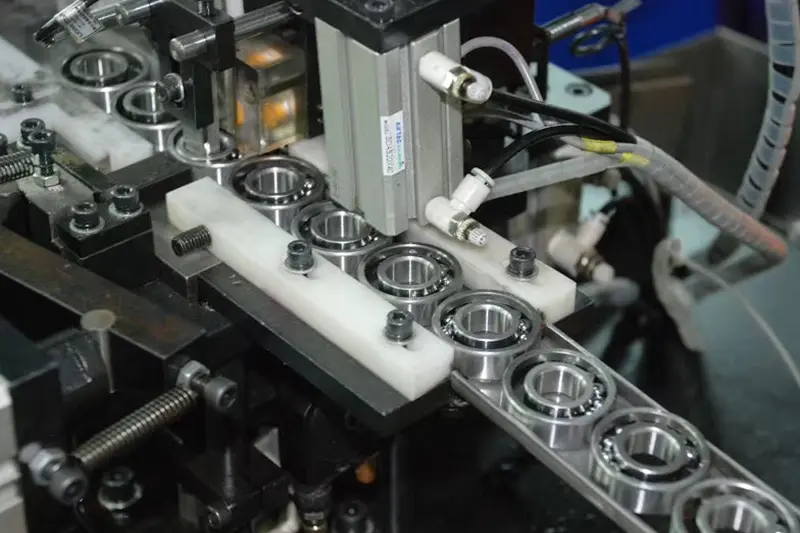
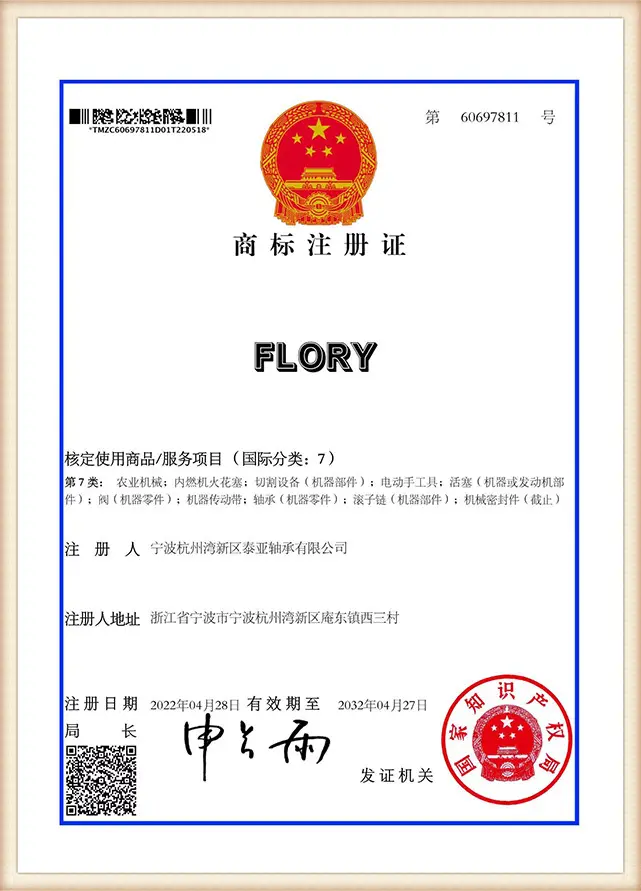
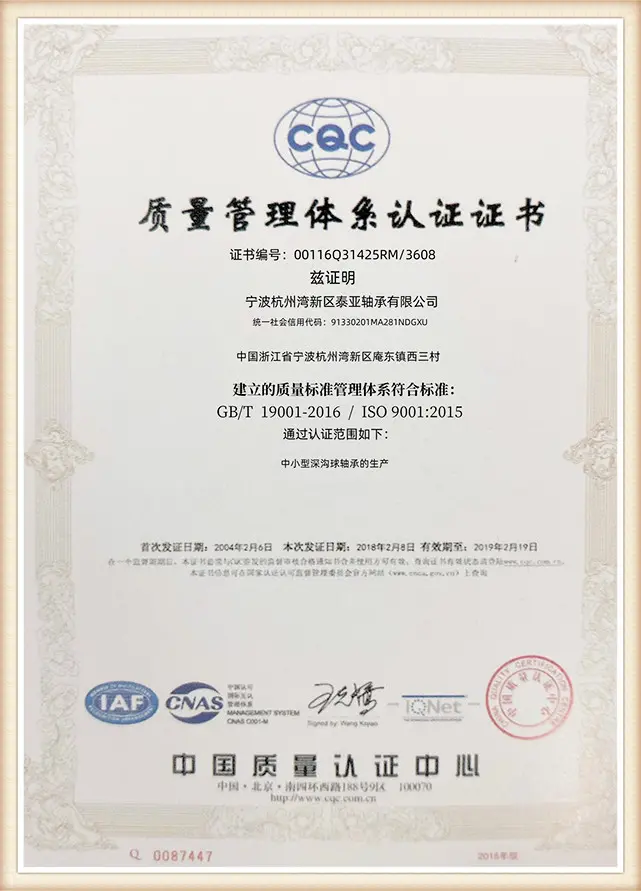
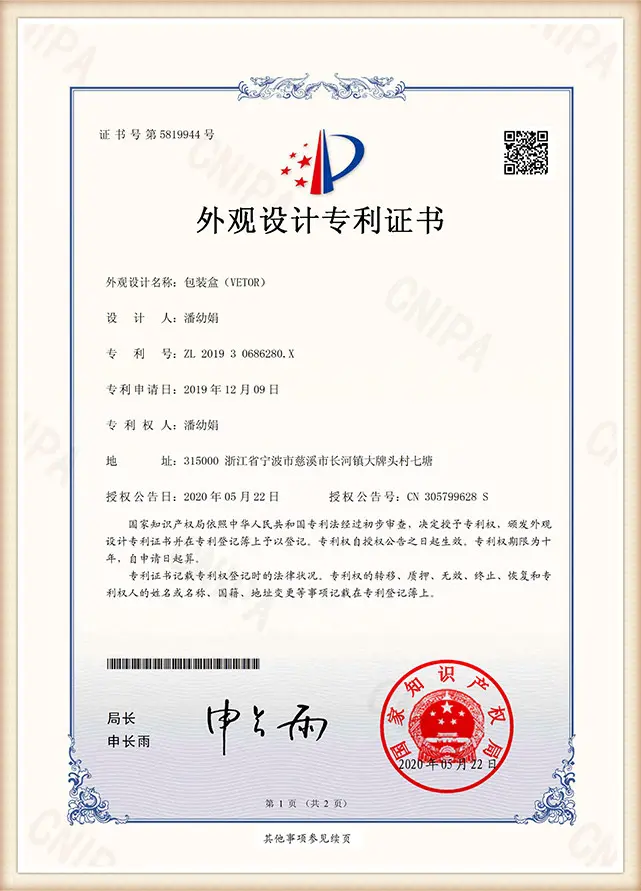
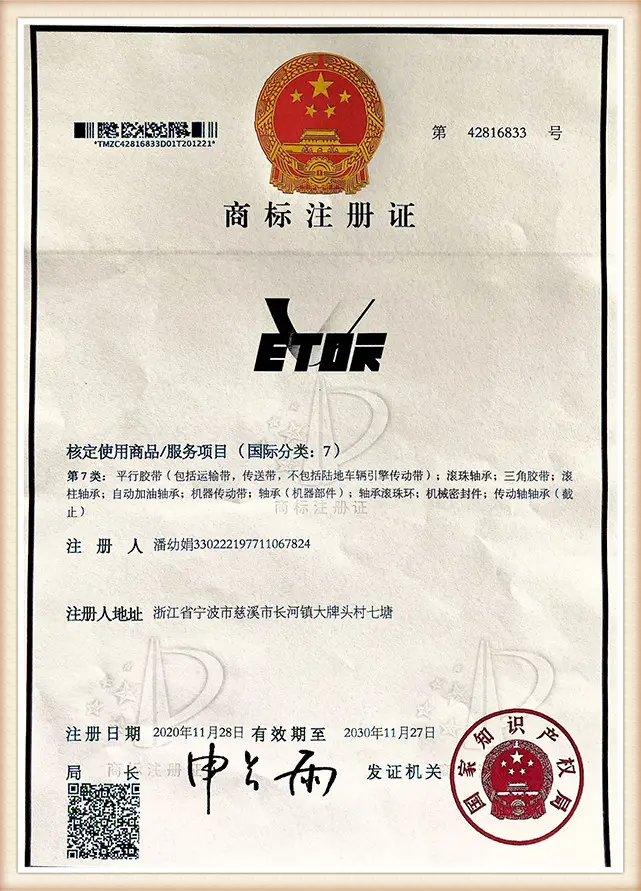
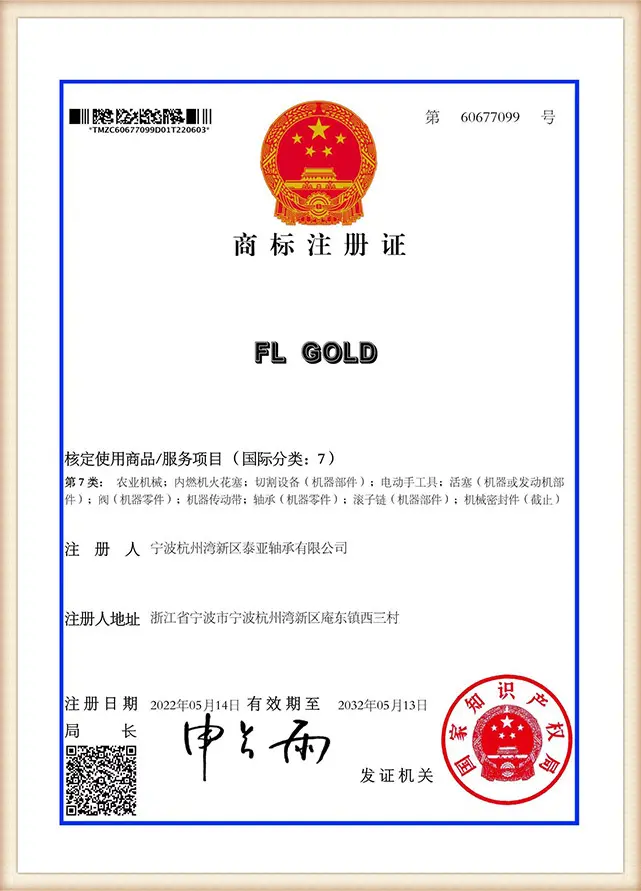
VETOR GROUP serves as a unified supplier for broad industrial domains, streamlining logistics and lowering transaction friction.
Tailoring vehicular lighting systems to unique regional demands, geographical factors, and climate conditions.
In areas like the Middle East (UAE, Turkey) and North Africa (Egypt, Nigeria), tail light casings suffer from rapid yellowing and structural degradation due to intense solar radiation. We use high-performance PC with integrated UV328 stabilizers to guarantee optical clarity over 5 years in dry, sun-drenched regions.
In South American and Southeast Asian regions characterized by intense monsoons, water ingress leads to terminal circuit shorts. Our manufacturing utilizes automatic gasket injection and high-vacuum waterproof tests, ensuring long-term IP68 ratings for wet environments.
In Northern Europe and Russia, tail lights are subjected to sub-zero temperatures (-40°C) and corrosive road salts. We use premium rubber gaskets and anti-corrosion plated circuits, ensuring reliable operation without stress fractures.
Frequent brake actuation in stop-and-go city traffic accelerates thermal wear on tail lights. Our designs incorporate metal-core PCBs to quickly dissipate heat, preventing optical degradation during prolonged idling.

Our professional sales and engineering support teams operate Monday to Saturday, 8:00 to 17:00, ensuring answers within 12 hours.

From CAD drawing to optical molding and logo etching, we offer reliable OEM/ODM services tailored to your local legal requirements.

Leveraging our proximity to major ports, we adhere strictly to contracted production timelines to avoid supply line interruptions.
Clear, direct answers regarding certifications, manufacturing capacities, engineering details, and logistics.
Every batch of motorcycle tail lights undergoes rigorous testing in our ISO9001-certified laboratories. This includes high-frequency vibration sweep tests (to simulate engine and road vibration), thermal shock testing (cycling between -40°C and +85°C), waterproof testing (IP67/IP68 depth chambers), and salt spray testing (up to 96 hours) to prevent corrosion on connector pins. We also run photometric analyses using goniophotometers to ensure compliance with DOT, SAE, and E-Mark light distribution standards.
Our quality control utilizes strict statistical process controls (SPC). As a manufacturer of EMQ-grade deep groove ball bearings with low noise and vibration tolerances, we apply the same high standards to our automotive and motorcycle assemblies. We manage the process from raw material inspections (PMMA, PC polymers, and circuit boards) to automated optical testing and final boxing, ensuring a defect rate of under 1,000 PPM.
Yes. We offer OEM/ODM customization services. We can design custom housing molds, specify LED arrays (sequential vs static signaling), and adjust lens tinting (smoke, clear, amber, red) based on your model specifications. Custom logos, packaging designs, and wiring harness adapters can also be supplied.
Our facility in Cixi is located near the Hangzhou Bay Bridge, placing us roughly 90 minutes from Ningbo Lishe International Airport and Hangzhou Xiaoshan International Airport. We also benefit from direct access to both Shanghai Port and Ningbo Port—two of the world's largest deep-water cargo hubs. This allows us to offer flexible shipping options, competitive local freight pricing, and quick customs clearance.
For most standard motorcycle parts and bearings, our minimum order quantity (MOQ) starts at 1,000 pieces. For custom tooling or OEM lighting structures, requirements may vary. Our standard manufacturing and delivery cycles range between 7 to 20 days depending on the customization scope, with expedited logistics paths available for urgent assembly requirements.
Diversify your import cargo with our certified components, designed to maximize safety, mechanics, and durability.
 VETOR GROUP