Explore our premium industrial product selection, matching high manufacturing standards to secure worldwide supply chains.
In modern automotive, powersports, and transportation dynamics, the steering bridge (commonly referenced as the steering knuckle, triple clamp, or steering yoke assembly) serves as a primary mechanical node. It bears the dual responsibility of structural articulation and directional control. Functionally, it connects the front suspension components to the steering column, translating rotational steer input from the operator into precise wheel track adjustment. Globally, the demand for steering bridges is growing. This is driven by the expansion of the powersports sector (ATVs, UTVs, dirt bikes), the adoption of lightweight electric vehicles, and standard road-handling optimizations.
From a commercial perspective, steering bridge manufacturing is segmented into forged steel, cast iron, and high-strength aluminum alloys (e.g., 6061-T6 and 7075-T6). Key industry clusters in the North American and European markets prioritize specialized high-strength aluminum forgings for weight reduction. Meanwhile, industrial hubs in Asia emphasize high-precision CNC machining and gravity-casting automation. This setup allows them to deliver massive volume runs without sacrificing dimensional accuracy.
During high-speed cornering and rough terrain navigation, the steering bridge absorbs intense dynamic loading. Forces include vertical impacts, longitudinal shear stresses from braking, and torsional forces from steering adjustments. Ensuring high fatigue life is critical. Manufacturers must utilize advanced metallurgy and precise heat treatment to prevent micro-fissures and catastrophic mechanical failure.
As a major manufacturing base within Cixi City, China, companies like VETOR GROUP leverage a highly optimized industrial ecosystem. Situated in the vibrant economic zone of Hangzhou Bay, Cixi combines deep-water shipping capabilities with specialized supplier networks. The proximity to both the Shanghai and Ningbo Ports (two of the busiest and most efficient container ports globally) reduces transport overhead and ensures delivery reliability.
This logistics advantage is reinforced by an established raw material supply chain. Local availability of high-grade alloy stocks, precision tooling centers, and standardized metallurgical labs allow Cixi manufacturers to quickly pivot production runs to meet specific customer requirements. By shortening the turnaround time from raw billet casting to final surface anodization and quality inspection, Chinese suppliers achieve substantial cost efficiency. This is achieved through scale, highly integrated process management, and automated manufacturing pipelines.
Steering bridges require specialized mechanical characteristics based on their destination application. Matching engineering parameters to these applications ensures vehicle safety and long-term durability:
Focuses on maximum structural integrity and vibration dampening. Heavy reliance on cast iron or forged steel to support variable passenger loads and withstand continuous road friction.
Requires lightweight aluminum alloys (such as 6061-T6) to optimize front-end responsiveness. Must provide high shock-absorption to handle rapid compression on rough off-road terrain.
Prioritizes ultra-light design, ease of integration with standard headtubes, and corrosion resistance for diverse urban commuter environments and variable weather conditions.
The manufacturing sector is transitioning from traditional sand-casting to precision-engineered, smart manufacturing solutions. Key advancements shaping the future of this field include:
Founded in 2005, VETOR GROUP is a comprehensive foreign trade group specializing in import and export operations. Strategically based in Cixi City on the fertile bank of Hangzhou Bay, we benefit from streamlined transportation links to Ningbo Port, Shanghai Port, Hangzhou Xiaoshan International Airport, and Ningbo Lishe International Airport. This strategic location facilitates fast global logistics and reliable distribution workflows.
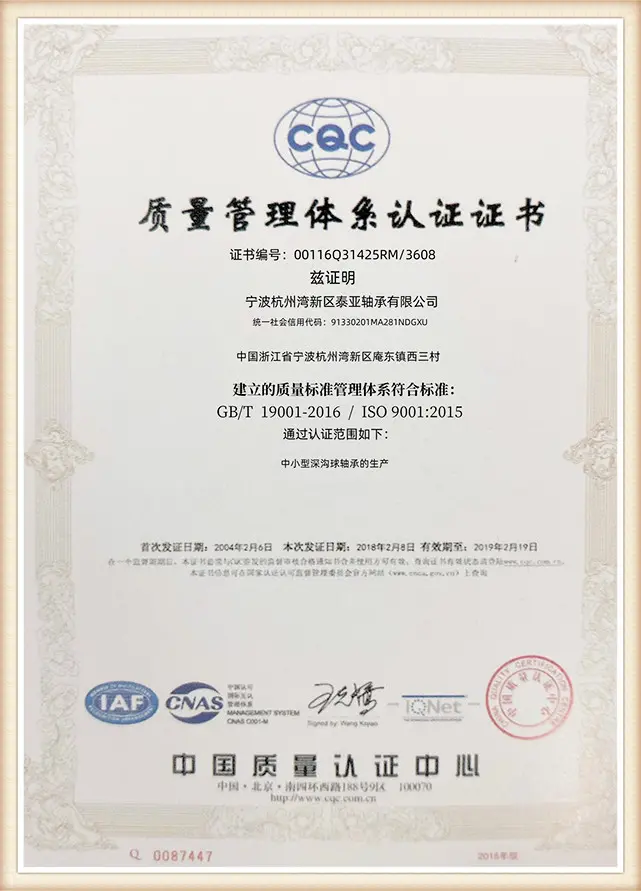
We supply an extensive catalog of Motorcycle Parts, Auto Parts, ATVs, Dirt Bikes, Bicycles, and Related Components. All of our engineering and export processes are certified under the ISO9001 international standard, reinforcing our commitment to reliable quality control, high durability, and overall product safety.
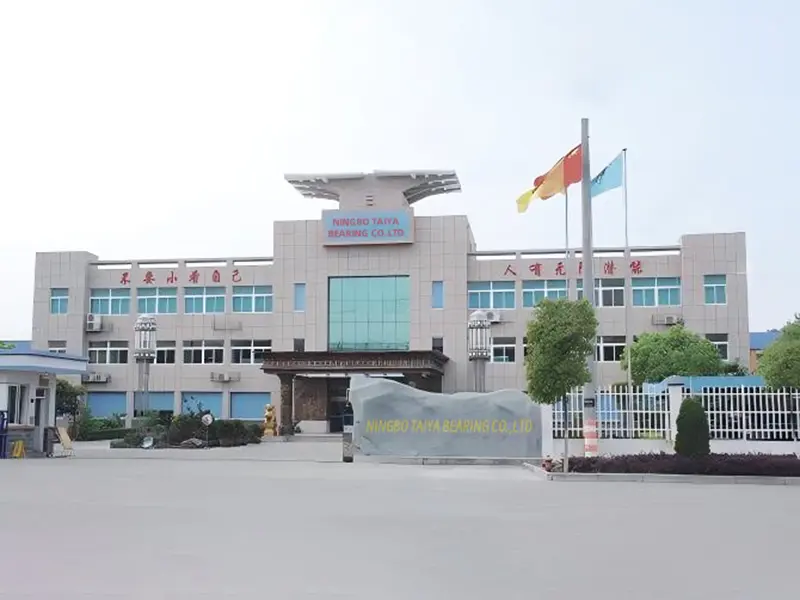
A look inside our state-of-the-art facilities, displaying our commitment to clean-room manufacturing and precision machining.
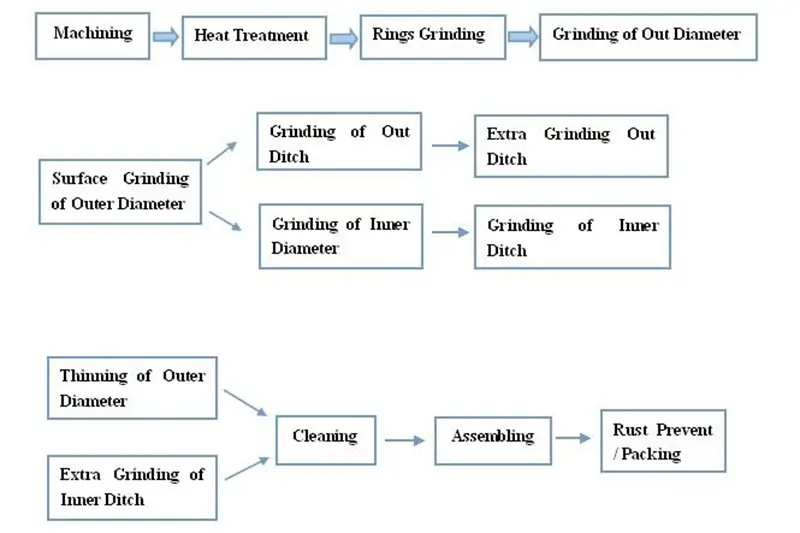
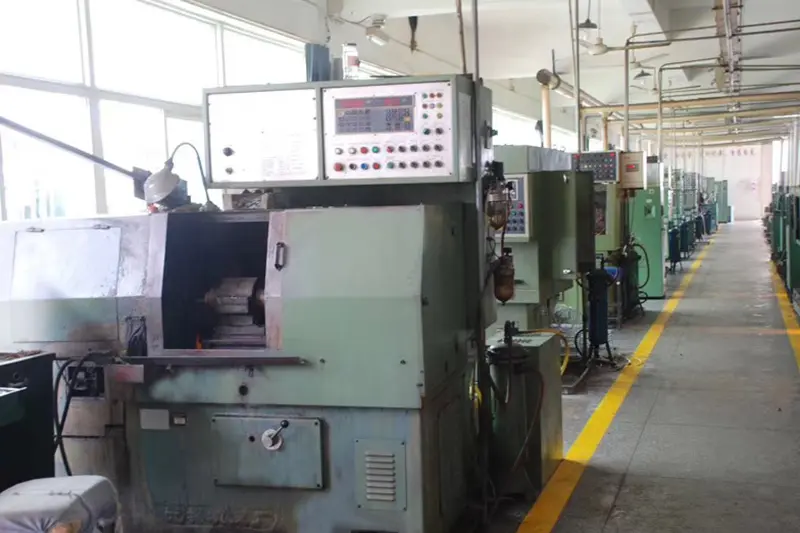
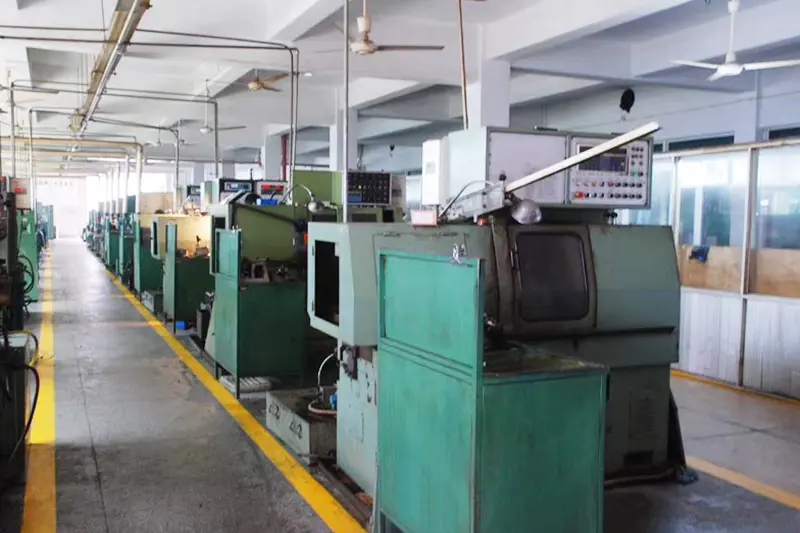
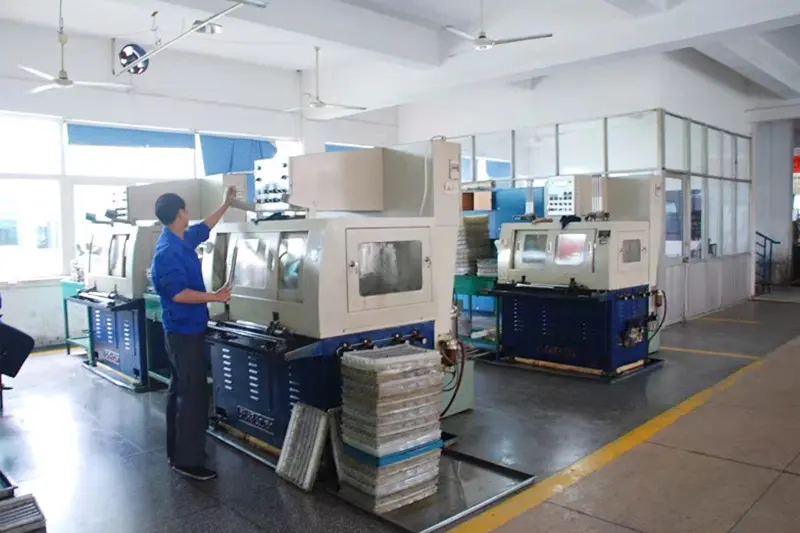
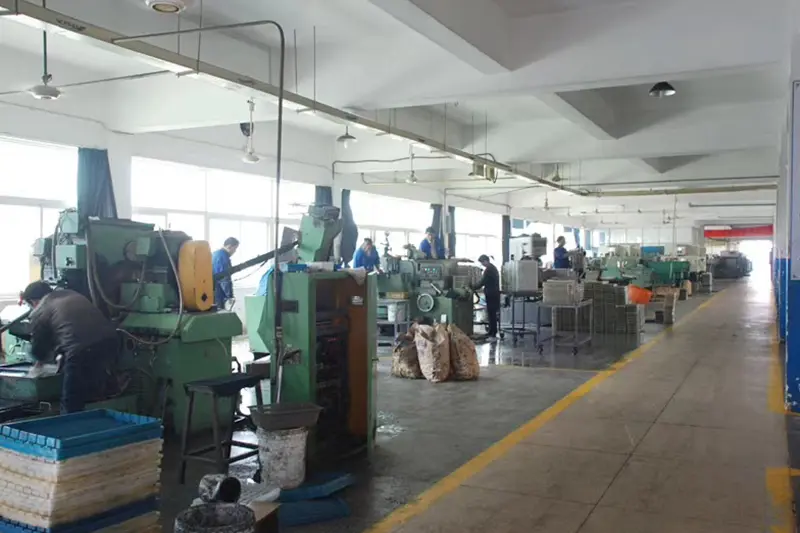
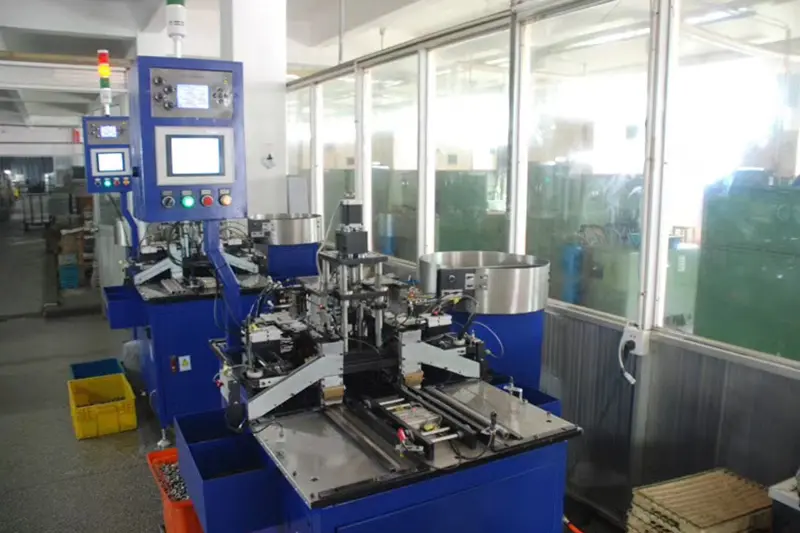
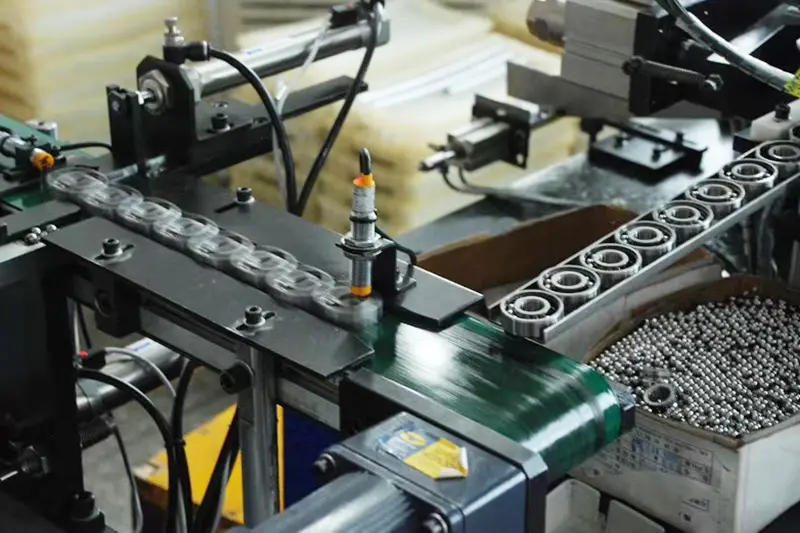
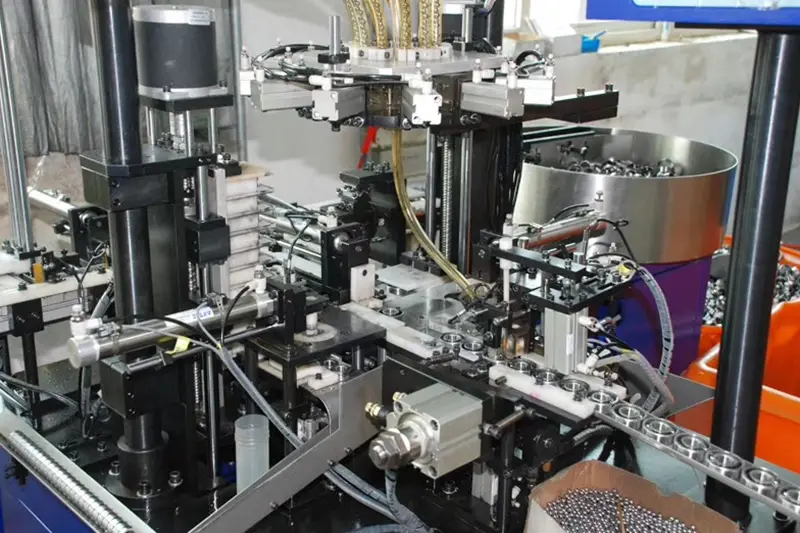
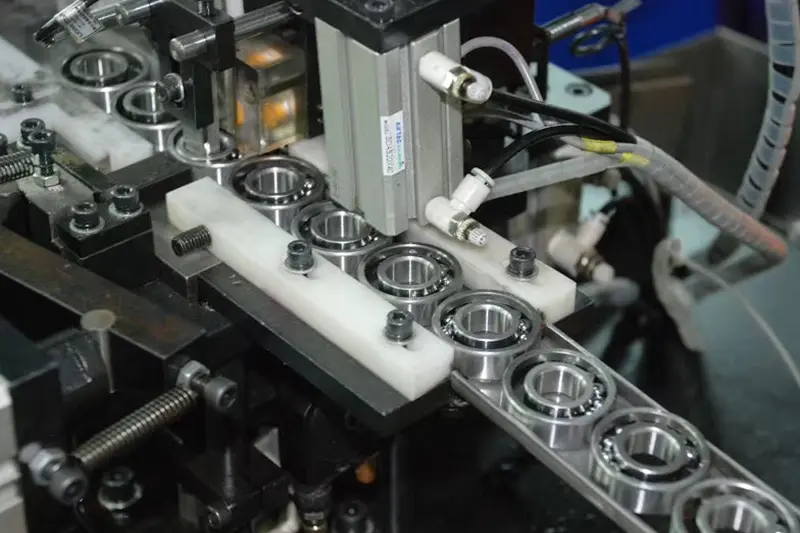
Our dedicated manufacturing facility specializes in producing deep groove ball bearings and EMQ (Electric Motor Quality) grade bearings, with inner ring dimensions ranging from 6mm to 90mm. These high-precision components are engineered to deliver:
Exceptionally low noise, vibration, and friction coefficients, ensuring quiet motor performance.
Superior sealing and dynamic tolerances built for high rotational speeds.
Prolonged service life under dynamic radial and axial load profiles.
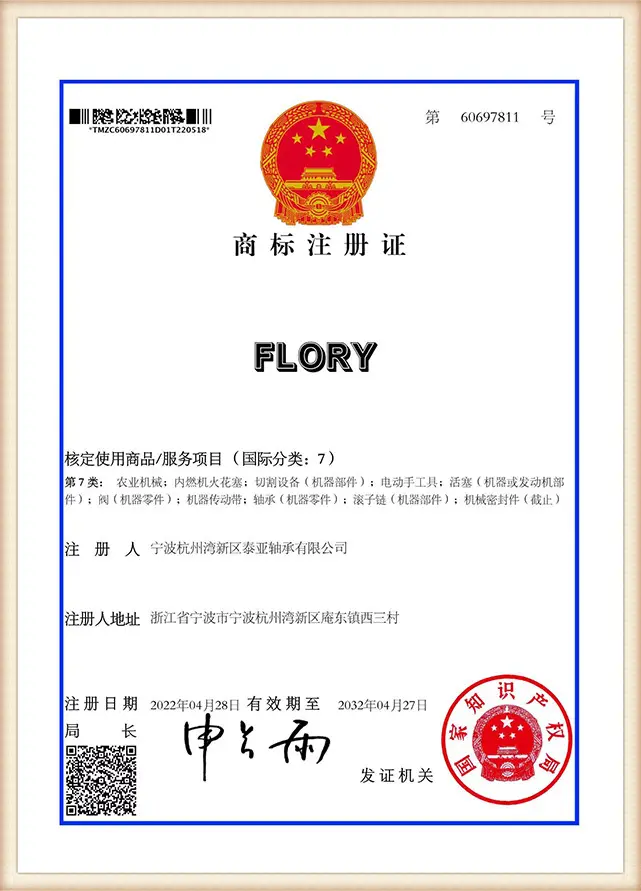
Our commitment to manufacturing excellence is certified by international accrediting bodies, ensuring reliable compliance with strict automotive guidelines.
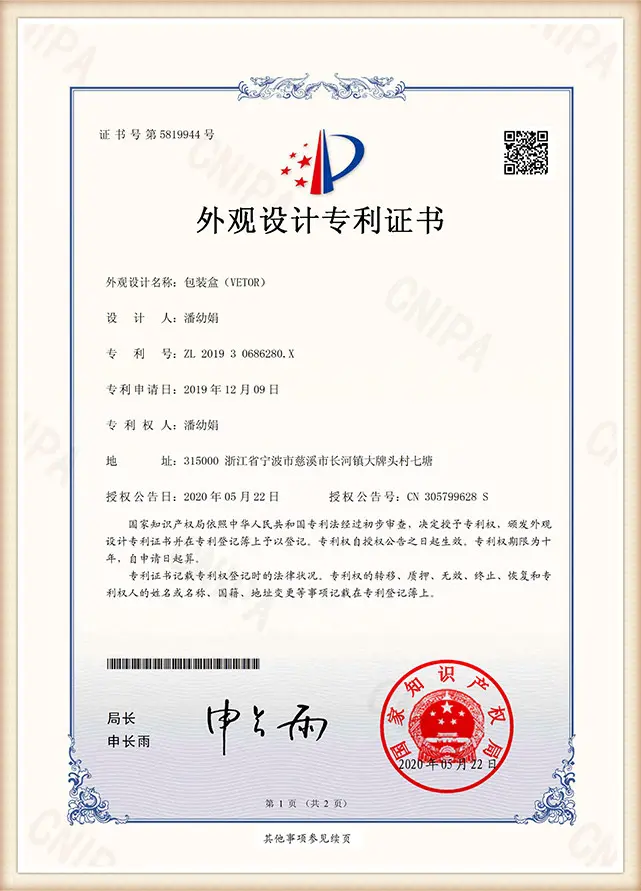
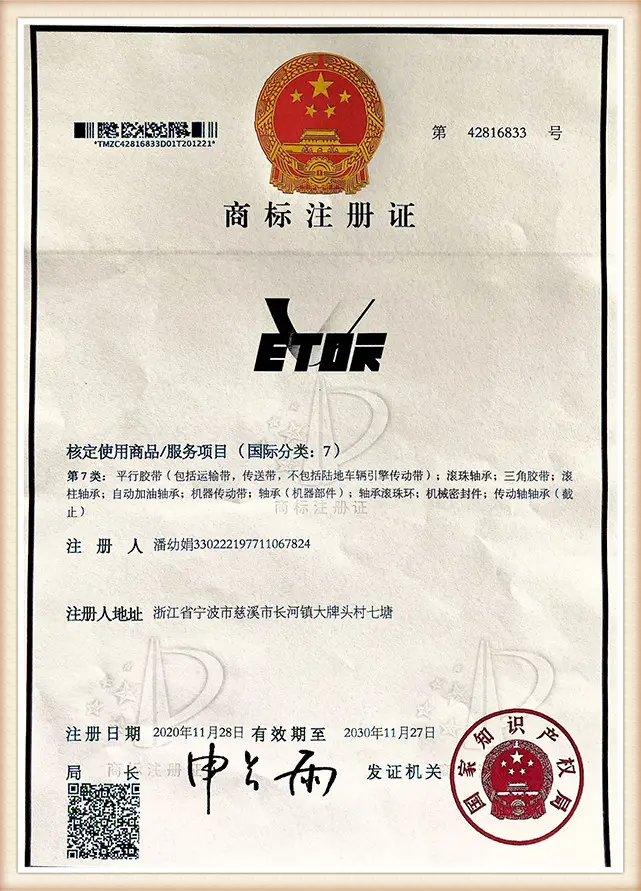
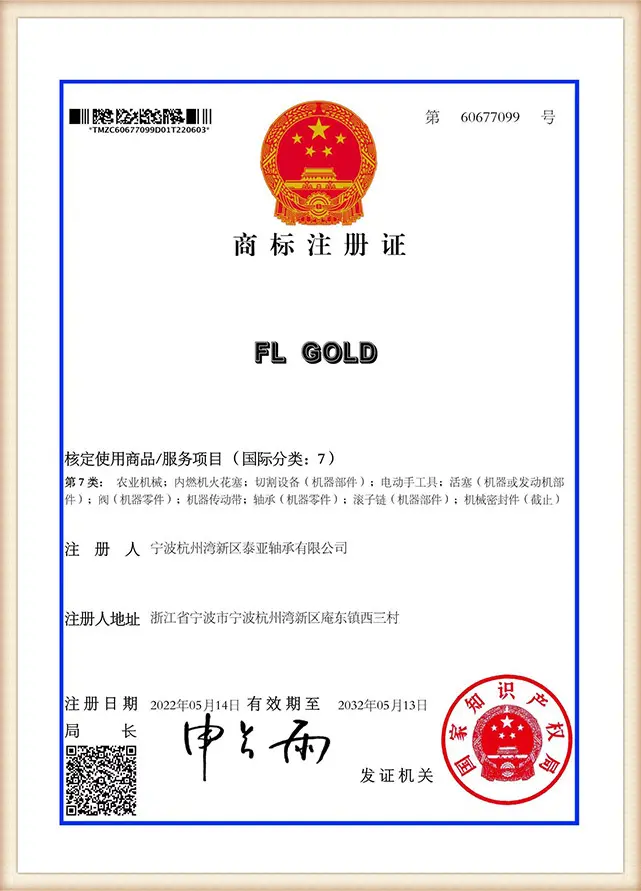
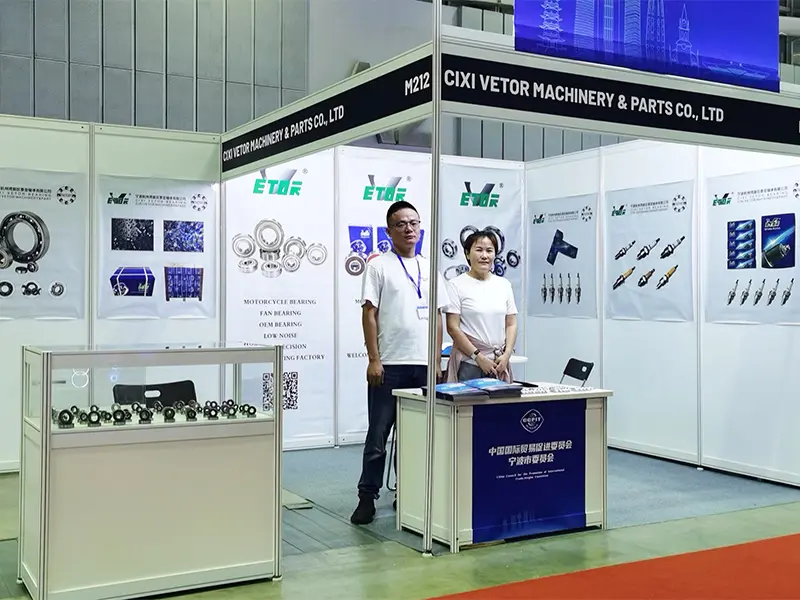
We actively participate in global trade shows to engage with partners, analyze regional trends, and showcase our design solutions.
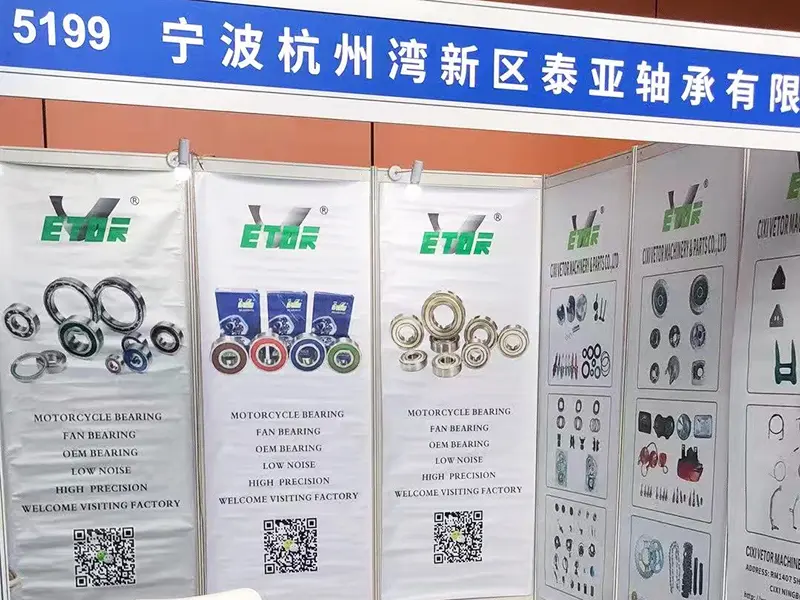
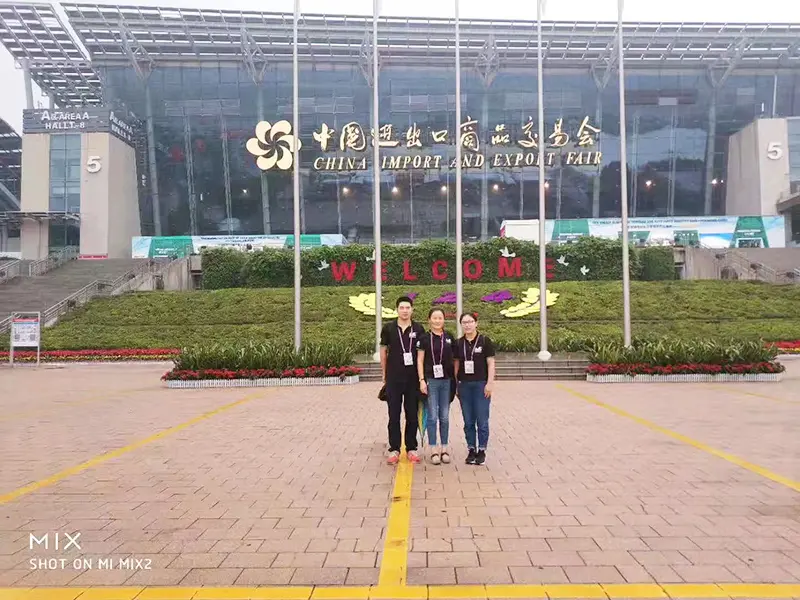
Explore our main manufacturing lines, ranging from high-precision bearings to complete vehicular assembly components.
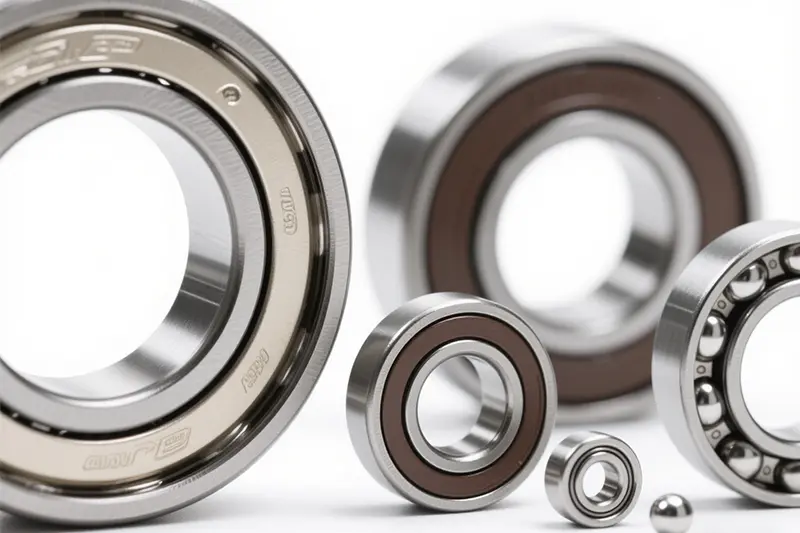
EMQ grade deep groove ball bearings designed for electric motors, household appliances, and automotive steering shafts.
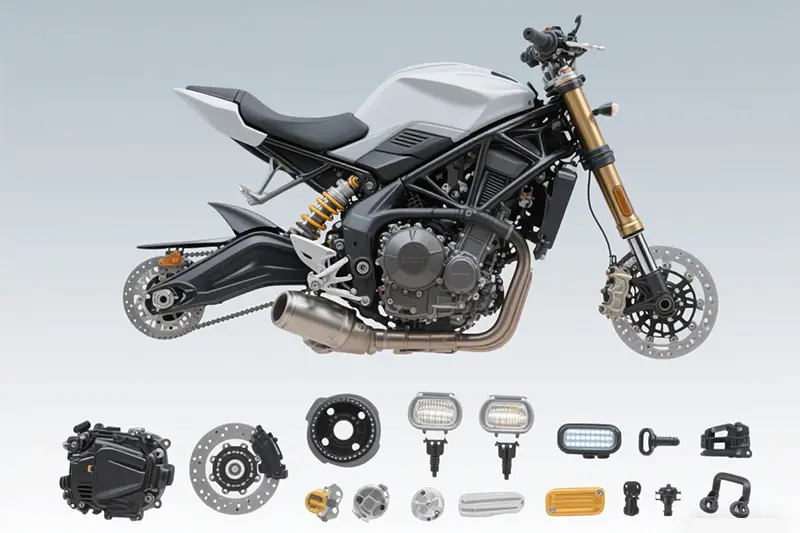
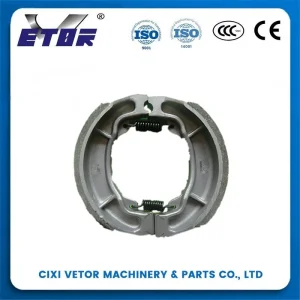
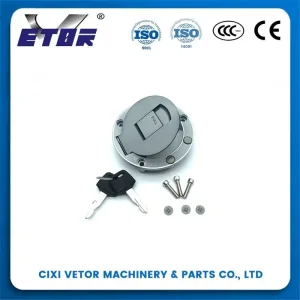
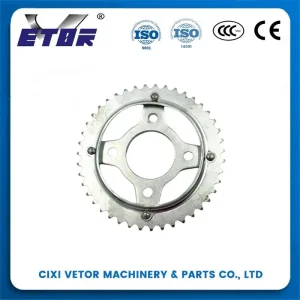
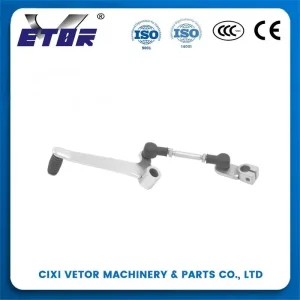
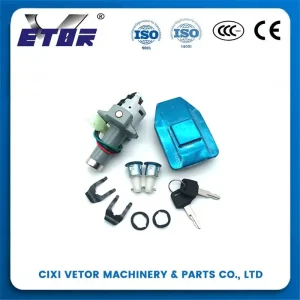
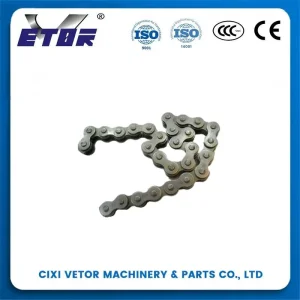
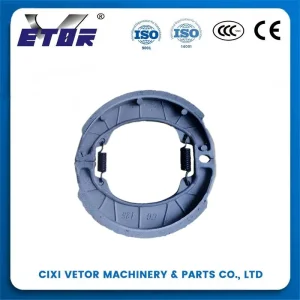
Chains, brake shoes, engine locks, starter levers, steering clamps, and related suspension components.
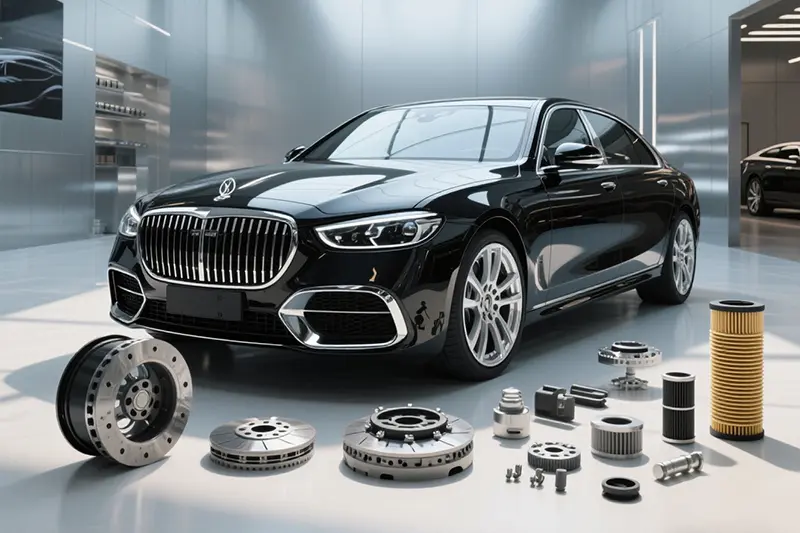
Cooling components, suspension arms, steering knuckles, and driveline bearings designed to meet OE standards.
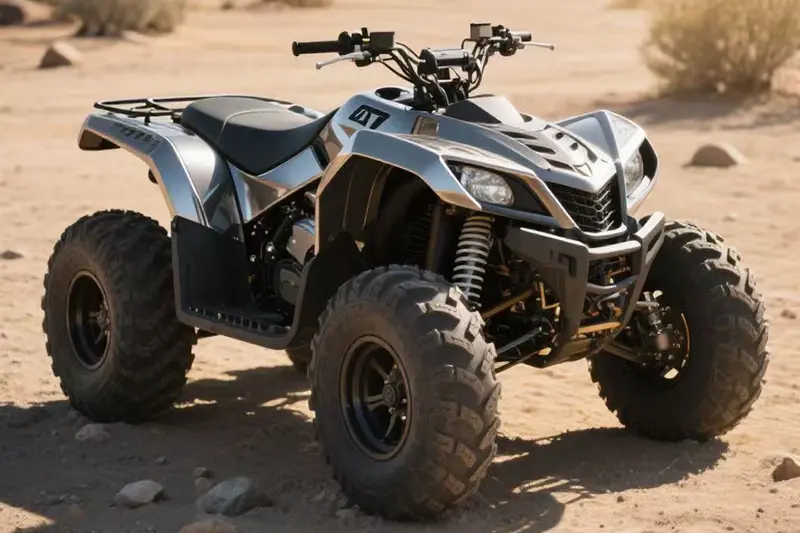
Heavy-duty suspension systems, steering bridges, CV joints, and protective structural elements for off-road environments.
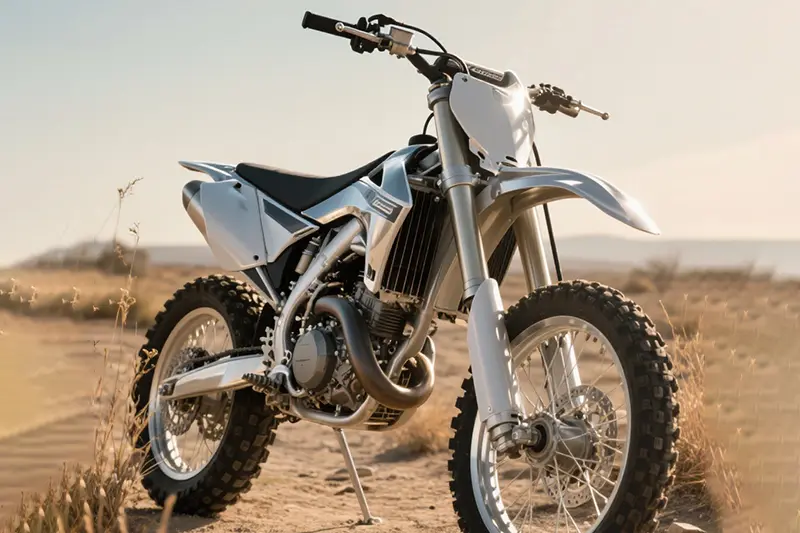
Triple clamps, lightweight frames, reinforced engine sprockets, and rugged shock assemblies built for motocross racing.
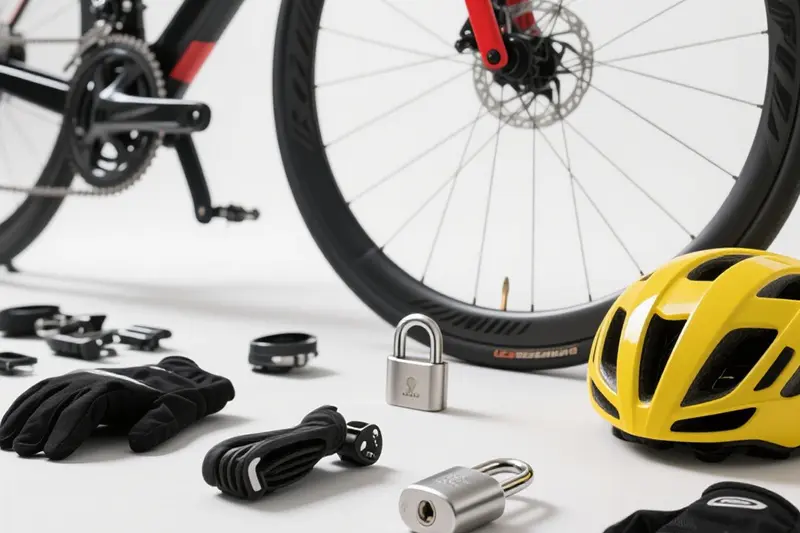
Headsets, rigid front forks, steering stems, and durable wheel assemblies designed for urban commuting and recreation.
We work to support our clients through reliable product development, responsive communications, and efficient logistics execution.

Our multilingual service team is online and ready to assist you from 8:00 to 17:00, Monday through Saturday.

We provide full design customization, prototyping, dimensional modifications, and custom packaging support.

With Ningbo and Shanghai ports nearby, we fulfill logistics and ship products strictly per contract schedules.
Procuring critical structural components like steering bridges requires a detailed understanding of metallurgical properties and manufacturing tolerances. When drafting Requests for Quotes (RFQs), procurement departments should reference the following technical criteria:
| Material Grade | Primary Application | Yield Strength (MPa) | Corrosion Resistance | Machining Standard |
|---|---|---|---|---|
| Aluminum 6061-T6 | Dirt Bike Triple Clamps, Bicycle Stems | 276 Min | Excellent (Anodized) | CNC Precision Turned |
| Aluminum 7075-T6 | Racing ATVs, Heavy Off-Road Vehicles | 503 Min | Moderate (Requires Treatment) | CNC Billet Milled |
| Forged Carbon Steel | Passenger Cars, Heavy Utilities | 350 Min | High (Powder Coated) | Hot Die Forging + Boring |
| Ductile Iron (QT450-10) | Standard Commercial Vehicles | 310 Min | High (Anti-Rust Paint) | Sand Cast + Fine Machined |
Additionally, testing protocols should be agreed upon before mass production. A standard Quality Agreement should include Ultrasonic Testing (UT) or Magnetic Particle Testing (MPT) to check for subsurface pockets in casting structures. For components subjected to weathering, a 96-hour Salt Spray Test (ASTM B117) is typically recommended to confirm the longevity of protective coatings.
Get answers to common technical, logistics, and quality assurance questions regarding global steering system sourcing.
For critical fits, such as the steering stem aperture and fork tube clamping diameters, we adhere to a standard tolerance range of ±0.01mm to ±0.02mm. For non-critical external profiles, tolerances are kept within standard ISO 2768-m specifications.
We manage this through controlled thermal heat treatments (T6 temper processes for aluminum) and material composition verification. Every batch of metal alloy is tested using spectrometers before casting or forging to ensure structural integrity and reduce mechanical stress vulnerabilities.
Our standard Minimum Order Quantity (MOQ) for custom forged or CNC billet steering component runs is generally 1,000 units. However, this is flexible depending on component complexity and material requirements. We also offer tooling options to help facilitate initial trial runs.
Because we produce our own line of deep groove and EMQ-grade ball bearings, we can configure steering bridge assemblies with matching tolerance bearings. This minimizes rotational play, dampens harsh vibrations, and protects the system from wear caused by dust and water ingress.
Due to our location in Cixi, we primarily utilize FCL (Full Container Load) and LCL (Less than Container Load) shipping out of Ningbo Port or Shanghai Port. Standard maritime transport is used for large orders, while urgent pre-production samples are dispatched via express air courier.
Complete your procurement cycle with our additional high-performance parts, certified for global market distribution.
 VETOR GROUP