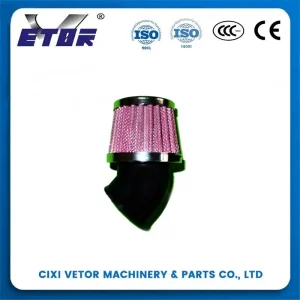
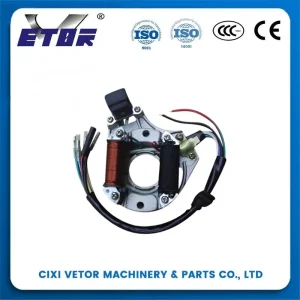
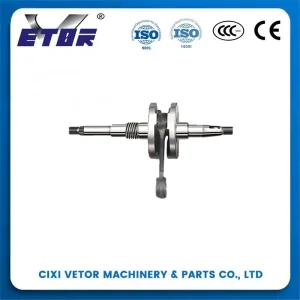
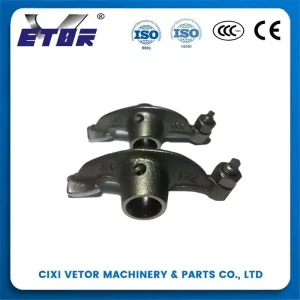
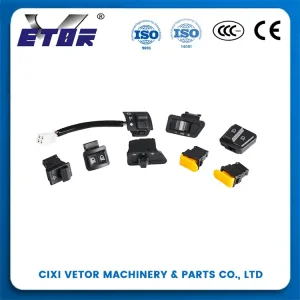
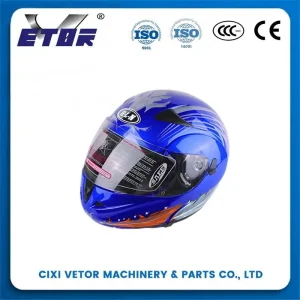
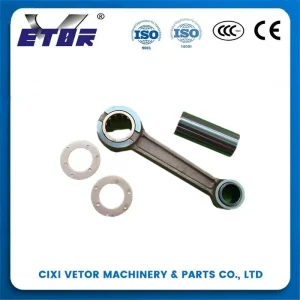
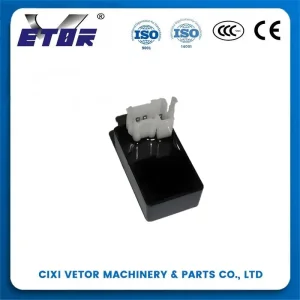
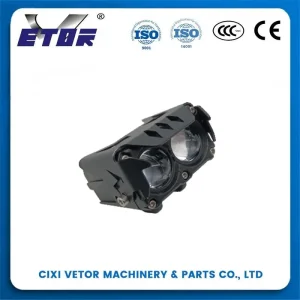
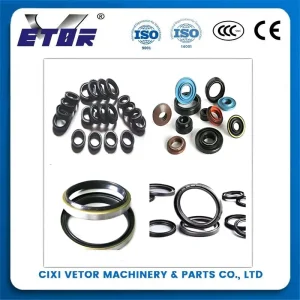
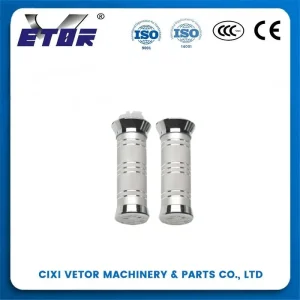
Explore our initial industrial portfolio covering high-precision accessories, motorcycle replacements, and specialized tires engineered for durability.
In the rapidly expanding global micro-mobility and sport-recreational cycling sectors, the hardtail mountain bike (MTB) remains a foundational pillar for importers, brands, and large-scale distributors. Characterized by its rigid rear frame and front suspension fork, the hardtail offers a unique combination of structural simplicity, lightweight efficiency, low maintenance requirements, and direct power transfer. These design characteristics make it an attractive option for consumers transitioning from casual riding to rugged terrain, as well as cross-country (XC) racers seeking maximum efficiency.
As a leading manufacturer and exporter, VETOR GROUP understands that wholesale procurement decisions depend on engineering precision, supply chain transparency, and regulatory compliance. This whitepaper analyzes the technical roadmap of hardtail MTB design, examines structural material options, details the manufacturing capabilities of China's Industry 4.0 facilities, and addresses the specific requirements of international B2B buyers.
Historically, hardtail mountain bikes featured steep, quick-handling geometry tailored for smooth cross-country racing. However, consumer demand has shifted toward modern trail capabilities. Modern hardtail design incorporates a significantly slacker head tube angle (typically between 64° and 66.5°), a steeper seat tube angle (74° to 76.5°), and extended reach measurements.
This geometry shift positions the rider centrally between the wheels, improving stability on descents and maintaining front-wheel traction on steep climbs. These adjustments help minimize the traditional handling limitations associated with the absence of rear suspension.
B2B buyers choose frame materials based on their target market segment's performance requirements and budget constraints. We support both of the leading industry materials:
1. Double & Triple-Butted Aluminum Alloys (AL6061-T6 / AL7005-T6): Hydroforming technology allows us to vary tube wall thicknesses—maximizing thickness at high-stress weld joints (head tube, bottom bracket) and minimizing it along the center of the tubes to reduce frame weight. The T6 tempering process ensures excellent fatigue strength and impact resistance.
2. High-Modulus Carbon Fiber Composites (Toray T700/T800): For performance-oriented builds, we use carbon layup designs that place high-tensile fibers in specific orientations. This provides lateral stiffness for efficient power transfer while allowing subtle vertical compliance to damp trail vibrations.
| Performance Indicator | AL6061-T6 Hydroformed Alloy | High-Modulus Carbon Fiber (T700/T800) | Strategic Advantage for Importers |
|---|---|---|---|
| Tensile Yield Strength | 276 MPa | Approx. 4900 MPa (Fiber Level) | Carbon offers a higher strength-to-weight ratio for premium lines. |
| Frame Weight (Medium Size) | 1,750g - 1,950g | 980g - 1,250g | Carbon reduces total system weight, appealing to racers. |
| Lateral Stiffness (BB deflection) | Excellent | Superior (Tunable Layup) | Carbon layup provides stiffness at the bottom bracket and compliance in the seatstays. |
| Production Lead Time | 25 - 35 Days | 45 - 60 Days (Molding Dependent) | Alloy frames offer faster turnaround times for high-volume orders. |
| Tooling & Molding Costs | Low (Standardized Extrusion) | High (Custom EPS Mandrel Molds) | Alloy is more cost-effective for customized, entry-to-mid level frame lines. |
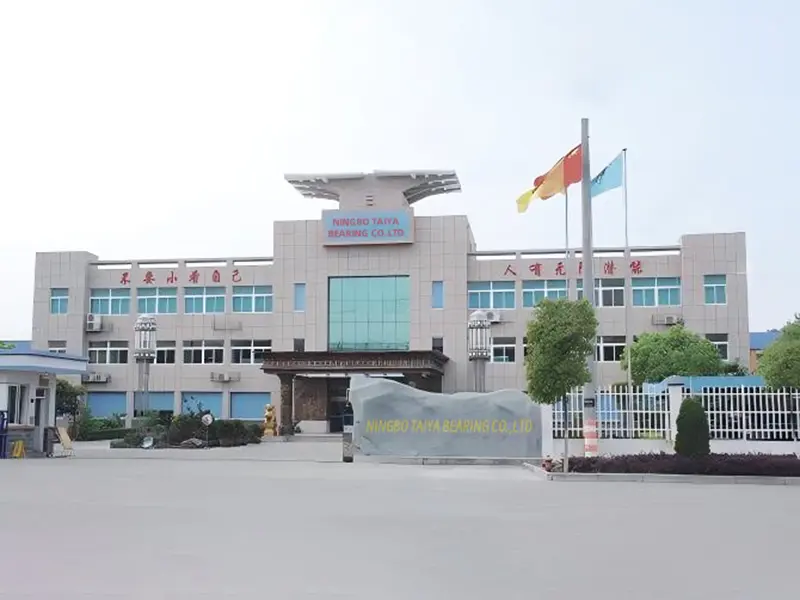
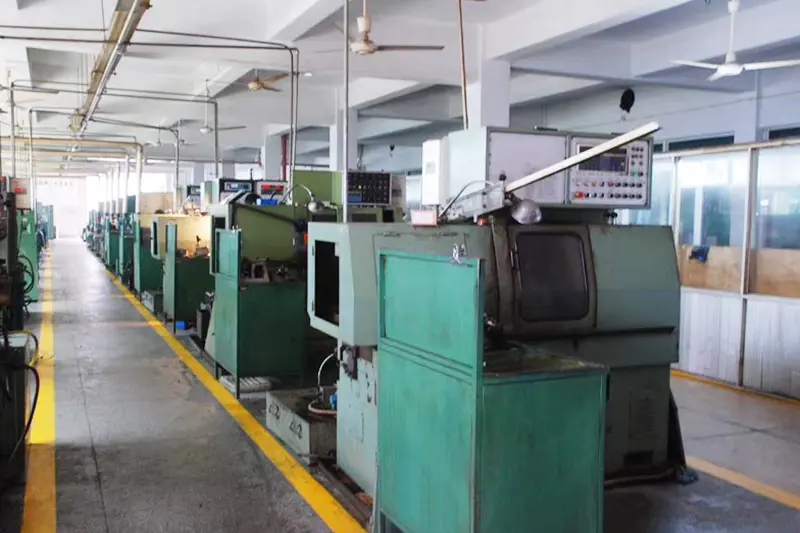
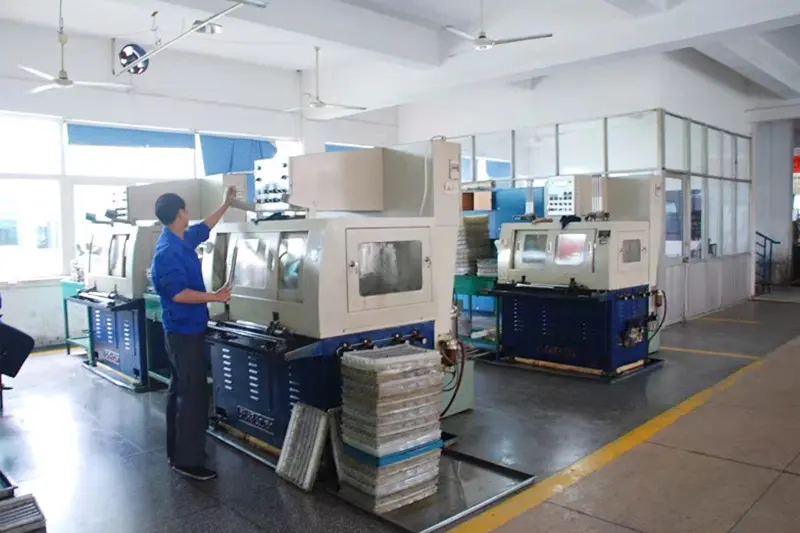
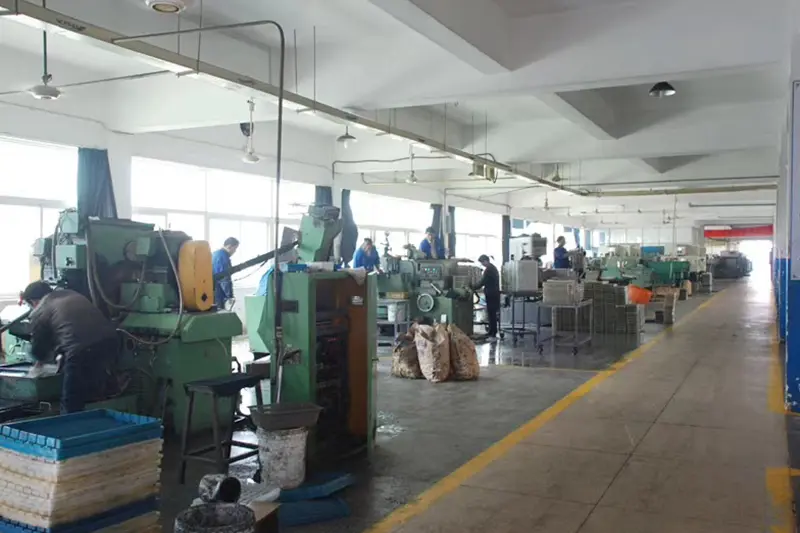
Founded in 2005 and headquartered in Cixi City, Zhejiang Province, VETOR GROUP operates a comprehensive industrial manufacturing and international export network. Strategically located along Hangzhou Bay, our facilities are within a 90-minute drive of Shanghai Port and Ningbo Port. This location provides access to key shipping routes and transportation networks, helping minimize international transit times and domestic logistics costs.
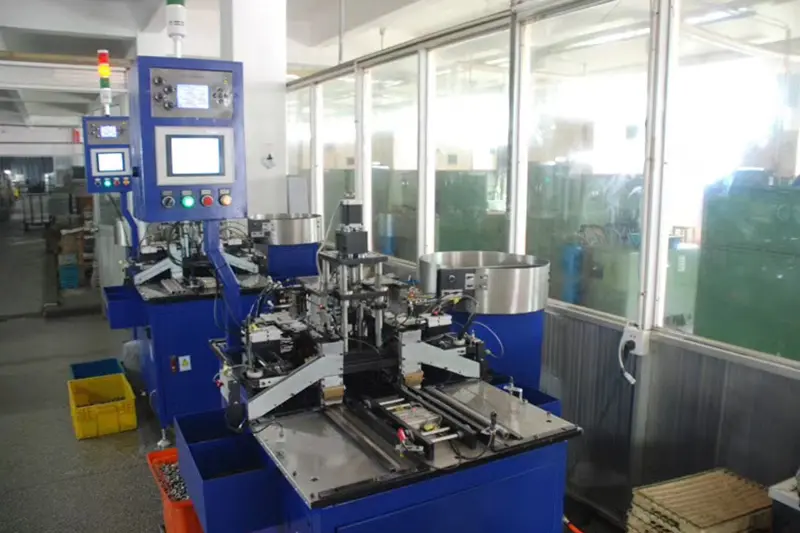
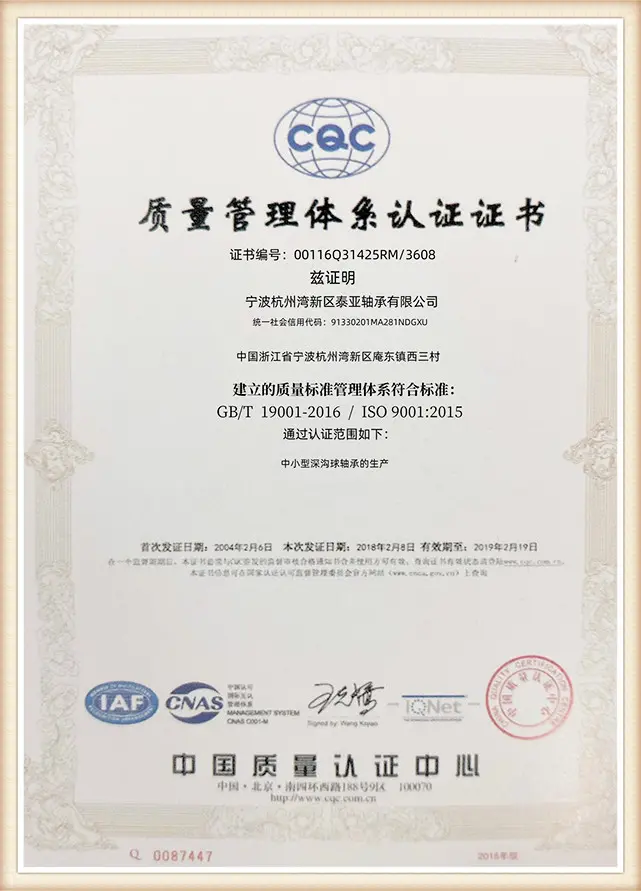
VETOR GROUP is certified under the ISO9001:2015 international quality management standard. Our operations span multiple manufacturing divisions, producing precision ball bearings, motorcycle transmission systems, automotive parts, ATVs, dirt bikes, and complete bicycle frame systems. By managing these diverse component lines in-house, we reduce assembly delays and maintain consistent quality across our product range.
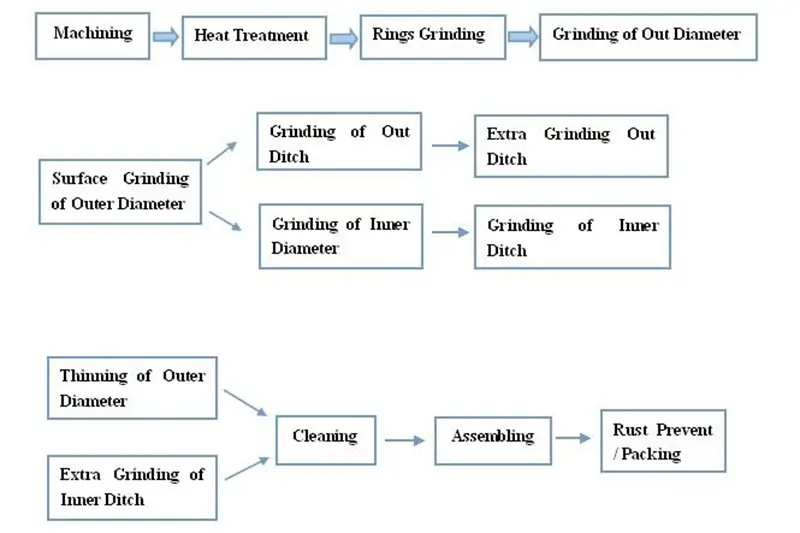
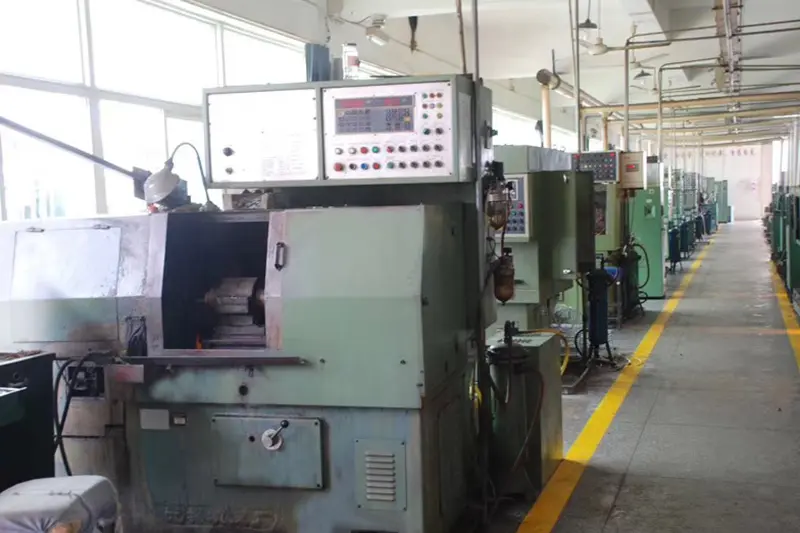
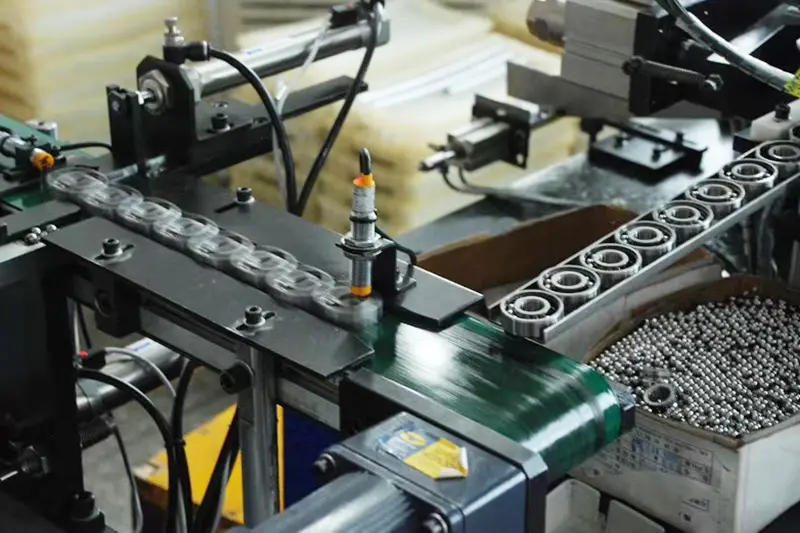
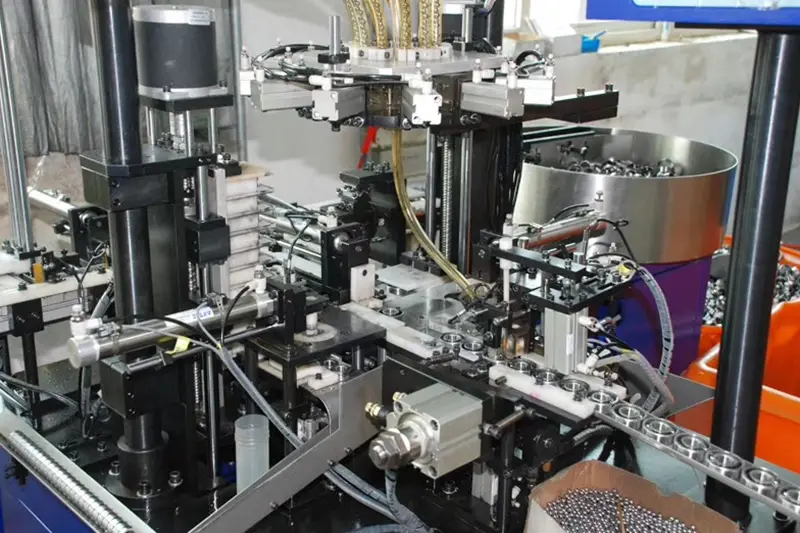
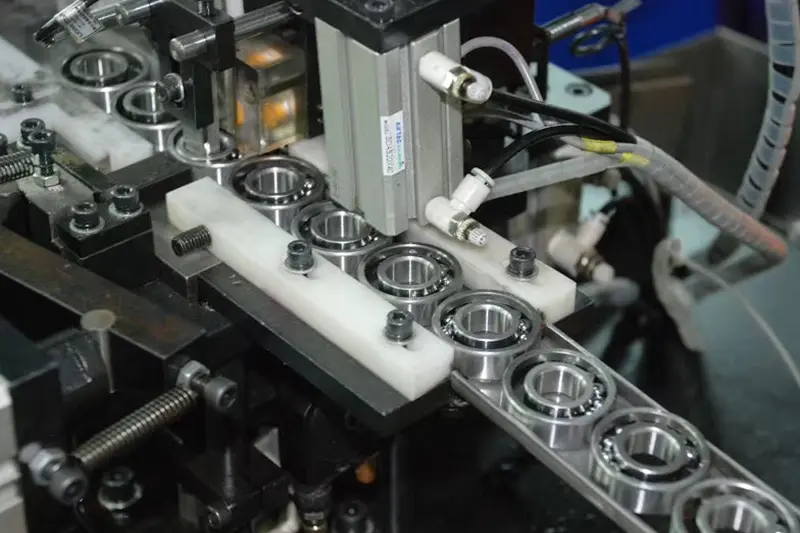
Our manufacturing facilities produce deep groove ball bearings and Electric Motor Quality (EMQ) grade bearings, with inner ring dimensions ranging from 6mm to 90mm. These high-precision components are used directly in our bicycle frames, steering headsets, bottom brackets, and front/rear hub assemblies.
Our VETOR brand bearings are engineered for low-noise operation, minimal starting friction, and stable rotational performance, ensuring efficient power transfer through the drivetrain.
Equipped with dual-lip rubber seals (2RS) and high-quality internal grease, our bearings resist dirt, water, and mud, extending component life under harsh trail conditions.
Manufactured to ABEC-3 and ABEC-5 standards, these bearings undergo automated noise and vibration testing to ensure structural alignment and prevent play in the hubs.
B2B buyers face several challenges in the competitive bicycle market, including fluctuating freight rates, changing anti-dumping regulations in the EU and North America, and the need for reliable product quality. To help address these challenges, VETOR GROUP provides structured commercial services designed for distributors:
We offer custom tube profiles, frame geometries, cable routing layouts, paint finishes, and decal designs. Our engineering team can develop frame samples from 2D/3D CAD designs within 7 to 10 days for client validation.
To support growing brands and experimental product launches, we offer a low Minimum Order Quantity (MOQ) of 1,000 units for standard configurations. Tiered wholesale discounts are available for volume orders.
We manage documentation requirements for anti-dumping calculations, certificates of origin, and custom declarations. Our logistics team handles shipping details, coordinating with major ocean freight carriers to streamline delivery.
Product liability and consumer safety are key priorities. Every hardtail mountain bike frame we manufacture undergoes testing to verify compliance with international standards, including ISO 4210 (safety requirements for city, trekking, young adult, mountain, and racing bicycles).
Our quality control labs perform three main types of testing:
1. Dynamic Fatigue Testing: We apply cyclical forces to the bottom bracket, seat tube, and head tube junctions (over 100,000 stress cycles) to simulate long-term trail riding and verify weld durability.
2. Vertical & Lateral Stiffness Testing: Specialized hydraulic rigs measure frame deflection under load to ensure optimal power transfer and stable handling.
3. Impact Drop Testing: Falling-mass impact tests simulate head-on collisions and sudden drops, verifying that the fork-frame junction can withstand severe trail impacts without structural failure.
All production processes are certified to meet international standards. We maintain complete records of chemical composition, heat-treatment logs, and stress-test results to provide full quality assurance.
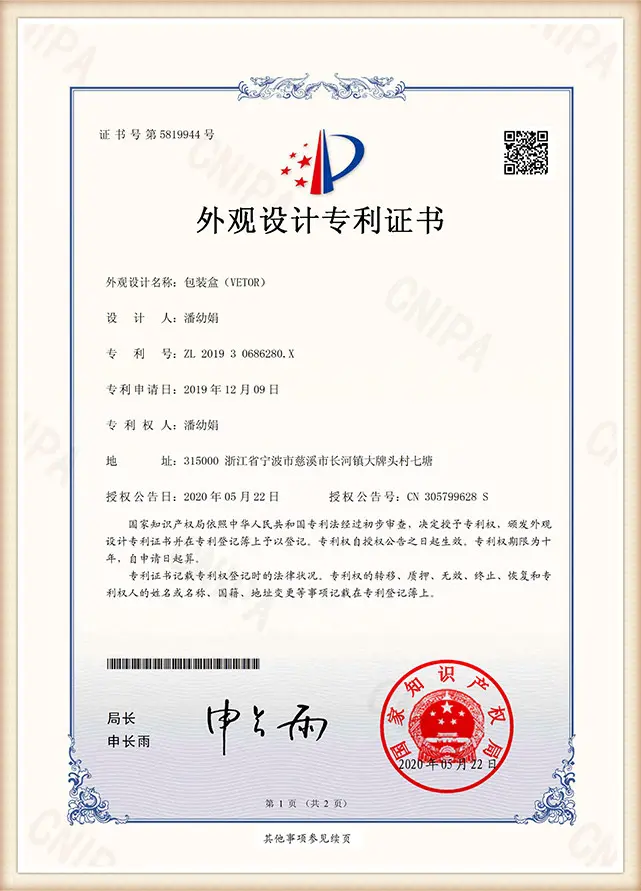
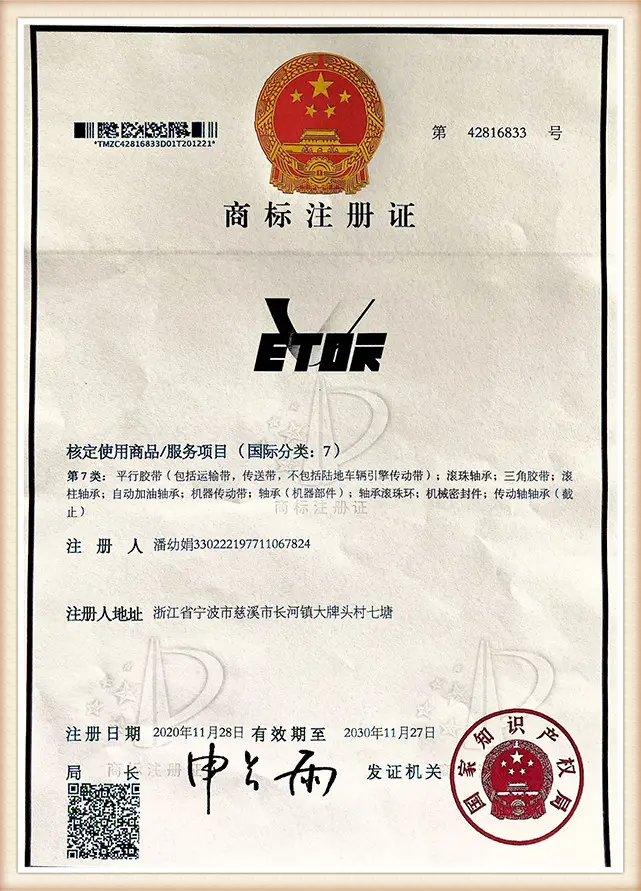
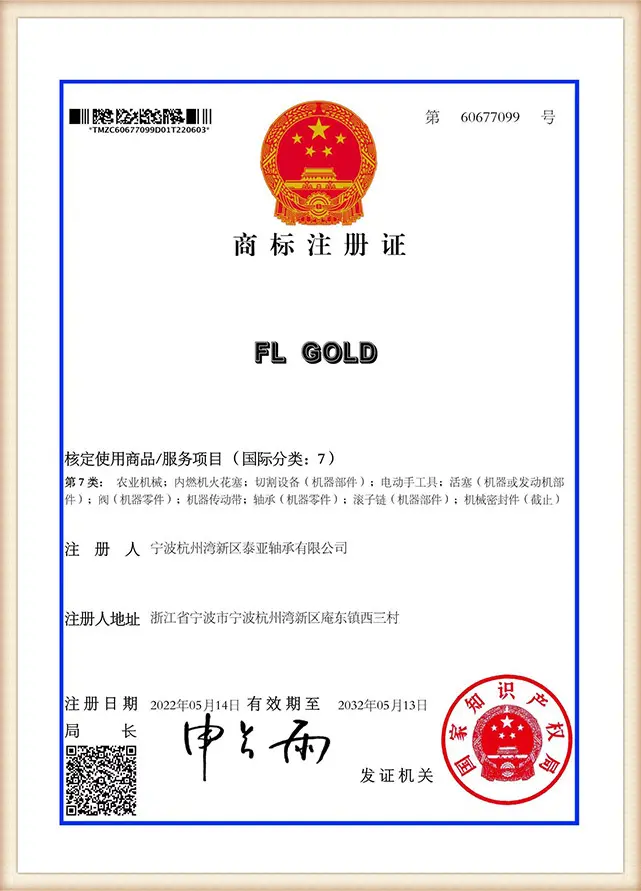
VETOR GROUP presents its latest product lines and component innovations at major international trade shows. We meet with clients, present new designs, and discuss custom manufacturing opportunities at industry events worldwide.
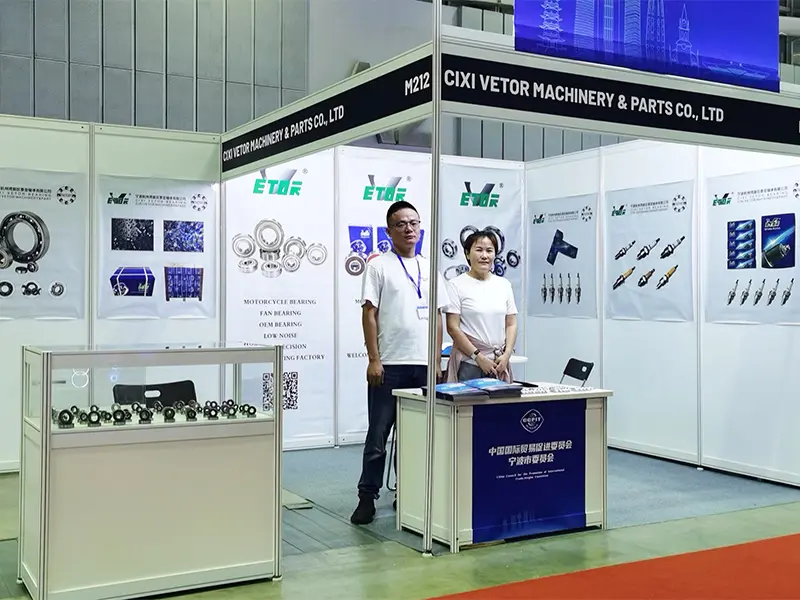
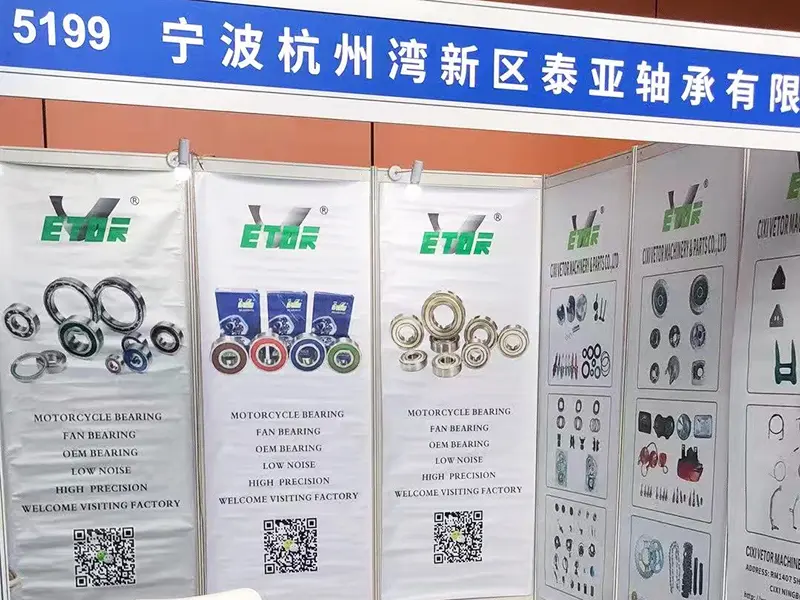
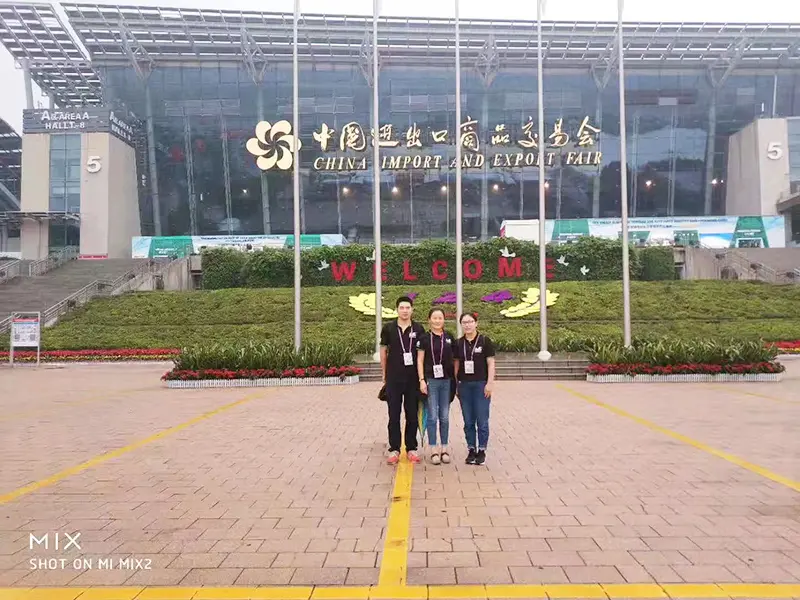
Our manufacturing and export capabilities cover a wide range of transportation sectors, providing high-quality replacement parts and assemblies for different applications.
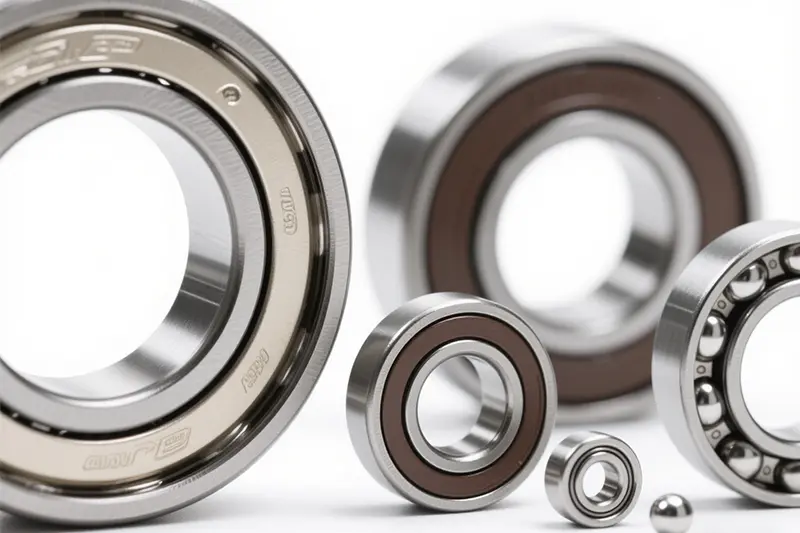
EMQ-grade deep groove ball bearings designed for quiet operation and long service life.
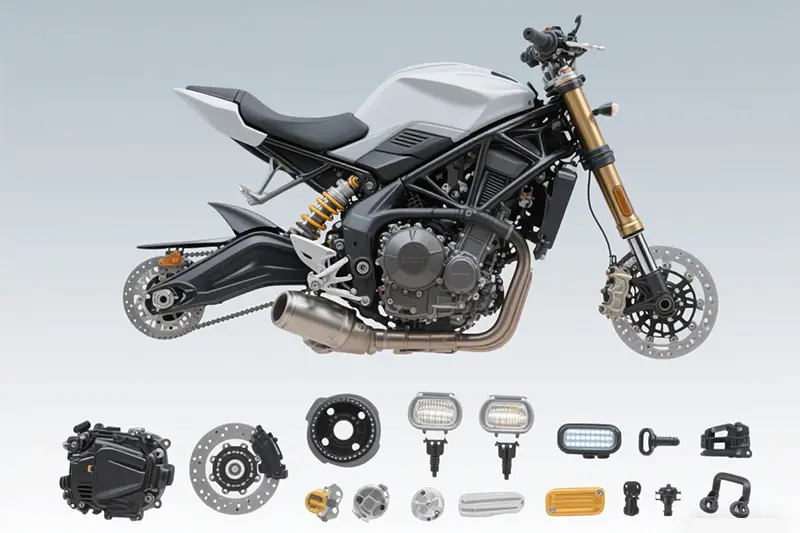
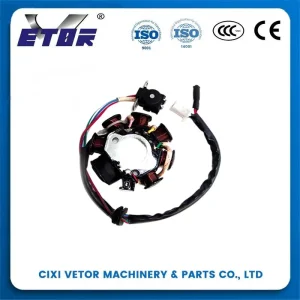
Ignition coils, crankshafts, rocker arms, and gaskets designed for high-stress applications.
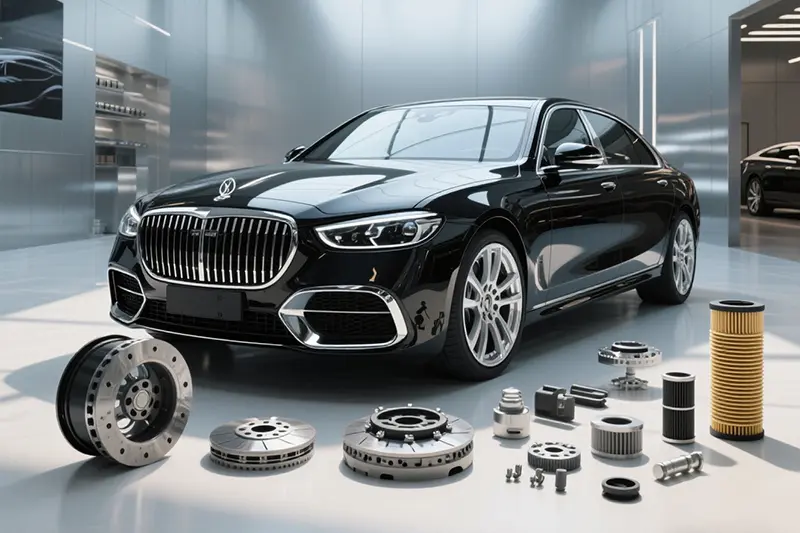
Cooling system components, steering elements, and suspension parts for passenger vehicles.
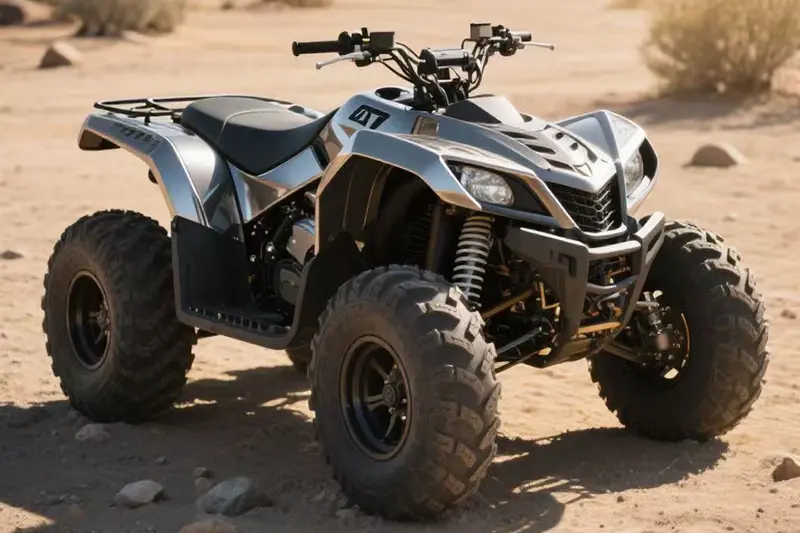
Rugged suspension arms, drivetrain components, and protective body panels for all-terrain vehicles.
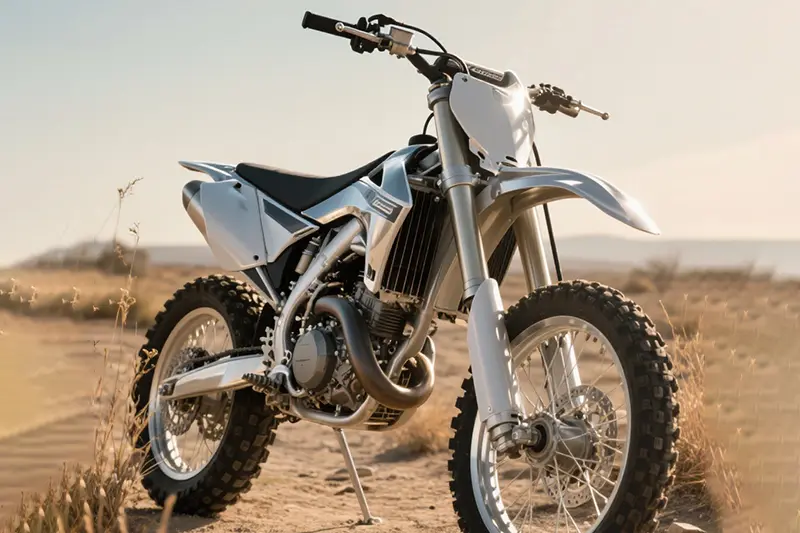
Lightweight performance exhausts, suspension kits, and rims built for off-road environments.
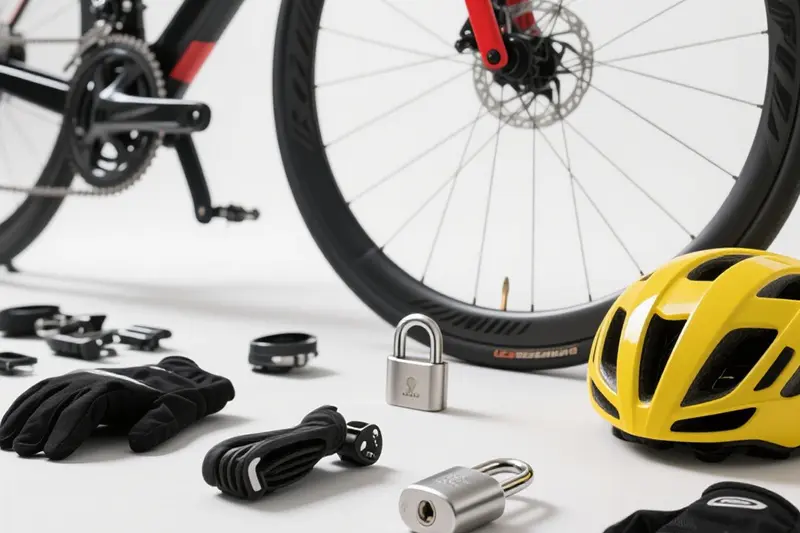
Hydroformed alloy frames, bottom brackets, handlebars, and assemblies for city and trail bikes.
In addition to our primary lines, we manufacture precision go-kart components, including chassis parts, high-performance mechanical brake calipers, sprockets, and wheel hubs. All parts are fabricated in our Cixi facility to meet competitive racing safety standards.
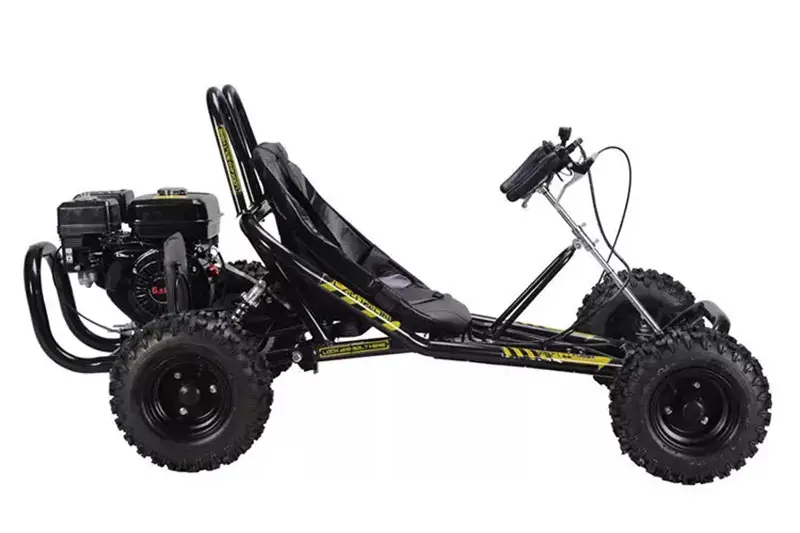
Review the second part of our export catalog, featuring precision engine parts, apparel, safety gear, and high-intensity LED systems.
Contact VETOR GROUP to speak with our technical engineering division. We offer complete OEM services, detailed fatigue test logs, and pricing quotes for container-load shipments.
All manufacturing processes adhere strictly to ISO9001 quality guidelines.
 VETOR GROUP