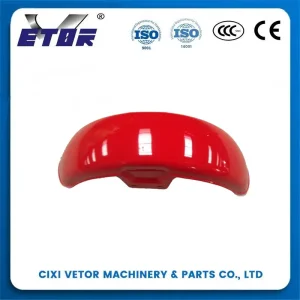
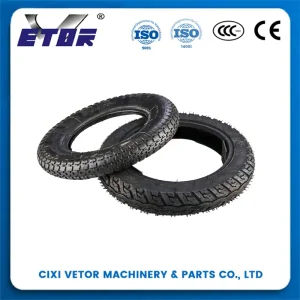
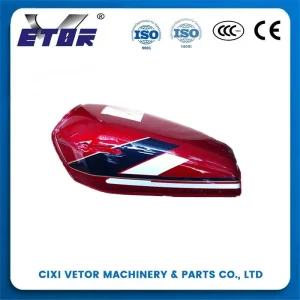
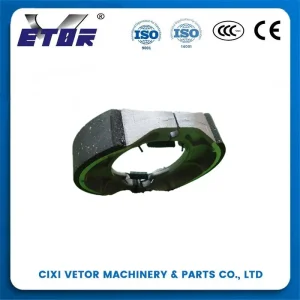
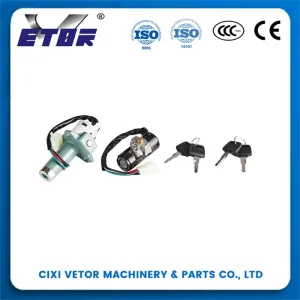
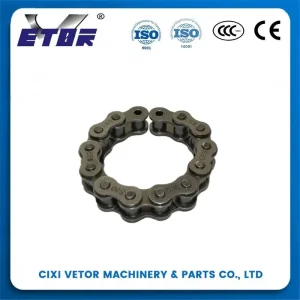
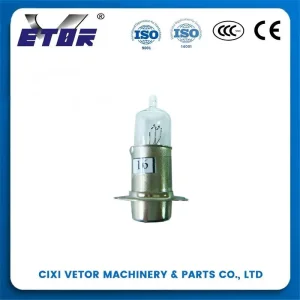
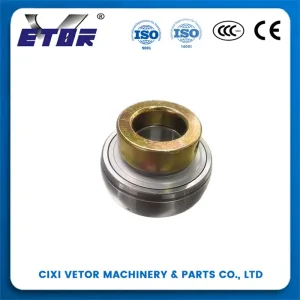
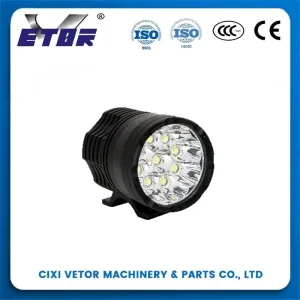
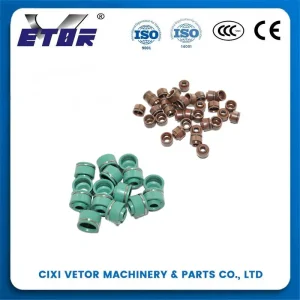
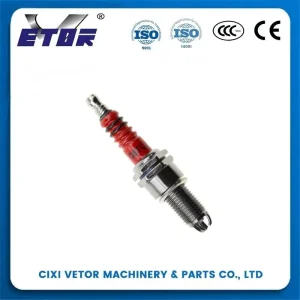
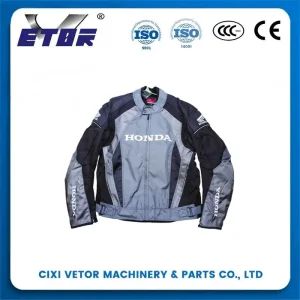
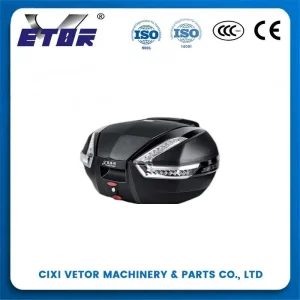
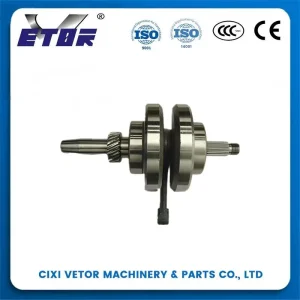
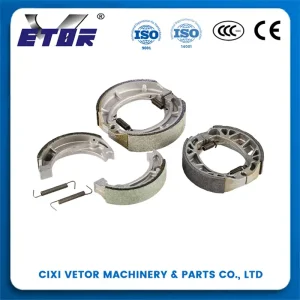
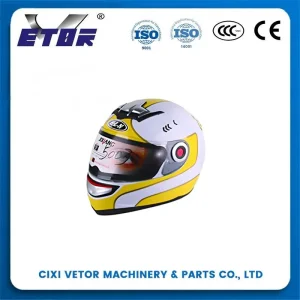
Explore our selection of premium manufacturing components. Reach out to our technical team for custom OEM/ODM solutions.
In modern automotive engineering, the suspension arm ball joint acts as the primary pivot point connecting the vehicle's control arms to its steering knuckles. As globally integrated supply chains evolve, international procurement teams demand unmatched safety margins, predictable fatigue life cycles, and highly competitive pricing. The industrial market size for automotive suspension parts is projected to grow significantly, fueled by the rising global vehicle fleet, expanding commercial transit sectors, and the transition toward heavier electric vehicles (EVs).
For wholesale distributors, automotive parts buyers, and OEM procurement managers, choosing a manufacturing partner is no longer just about cost per unit. It requires verifying strict adherence to metallurgical parameters, rotational torque tolerances, and dust cover durability. High-performing ball joints prevent wheel misalignment, excessive tire wear, and critical steering system failures, ensuring vehicle occupant safety and lowering warranty claim rates.
"Sourcing automotive steering and suspension components requires an deep alignment of materials engineering, high-vibration resistance testing, and seamless logistics. High-gain suppliers provide full quality control visibility from the raw forging stage to final packaging."
VETOR GROUP, with its extensive manufacturing capability and global logistics network, stands at the intersection of quality and scale. Strategically located near Ningbo and Shanghai Ports, we ensure that bulk orders are optimized for shipping speed and domestic transport efficiencies.
A professional-grade suspension arm ball joint consists of several highly engineered components, each contributing to the joint’s structural integrity and friction management properties. Understanding the science behind these components is essential for commercial decision-makers selecting high-performance automotive inventory.
Manufactured from premium alloy steels (such as AISI 4140 or 5140), undergo induction hardening and precision grinding. This yields high surface hardness to combat friction alongside a ductile core to absorb sudden chassis impacts.
Our outer housings are cold-headed or hot-forged, offering robust resistance to deformation under extreme vehicle loads. Anti-corrosion surface treatments like zinc plating or black electrophoresis safeguard them against oxidation.
Featuring premium-grade chloroprene or polyurethane boots that resist ozone breakdown, low temperature cracking, oil exposure, and abrasive road debris. These boots preserve the internal lubricant while preventing moisture ingress.
To ensure optimal performance, internal synthetic greases are selected to work across extreme operating temperature ranges (from -40°C up to 120°C). By implementing specialized internal seat designs—including POM (Polyoxymethylene) polymer seats—we ensure low frictional torque, stable rotation, and zero noise production, replicating the exact feel of original OEM components.
A data-backed look at how professional-grade material choices impact the mechanical properties of suspension ball joints.
| Part Component | Common Standard Grade | VETOR Premium Grade | Key Performance Benefit |
|---|---|---|---|
| Ball Stud | AISI 1045 Carbon Steel | AISI 4140/5140 Alloy Steel | Increased fatigue life, tensile strength, and impact resistance. |
| Internal Bearing Seat | Nylon / Recycled Plastic | POM-H (Delrin) / Pure POM | Minimized deformation under load and reduced friction coefficients. |
| Dust Cover Boot | Standard Rubber (NBR) | Chloroprene (CR) / Polyurethane | Outstanding ozone protection and flexibility at sub-zero temperatures. |
| Housing Surface | Basic Paint Coating | Black Electrophoresis / Geomet | Withstands 240+ hours of continuous salt spray testing (ASTM B117). |
The rapid growth of electric vehicles poses a unique set of challenges for chassis design. Because traction batteries add significant weight, EVs are generally 20% to 30% heavier than their internal combustion engine (ICE) counterparts. Additionally, the immediate torque delivery from electric motors subjects suspension linkages to sudden, intense stress.
To handle these forces, contemporary ball joint designs must accommodate higher radial and axial load ratings. Manufacturers are turning to larger stud ball diameters and optimized housing thicknesses to prevent shear failures. In parallel, managing Noise, Vibration, and Harshness (NVH) has become critical in quiet EV cabins. This places a premium on using ultra-smooth, EMQ-grade internal bearings to eliminate any micro-vibration.
Reducing unsprung mass remains a top priority for automotive manufacturers trying to maximize range and fuel efficiency. Traditional cast-iron control arms are increasingly being replaced by forged aluminum alloy suspension components (like 6082 or 6061 series aluminum).
This shift requires developing direct-press-fit ball joints and hybrid steel-aluminum linkages. These advanced joints feature specialized external rib patterns and retention grooves to remain securely anchored within aluminum arms throughout their service life.
As driver-assist technologies (ADAS) and autonomous vehicles mature, suspension systems are becoming more active. Emerging suspension designs feature embedded sensors directly within the control arm joint housing to track load distribution, wear levels, and real-time angular displacement. This structural data feeds directly into the vehicle's electronic control unit (ECU) to optimize active damping systems on the fly.
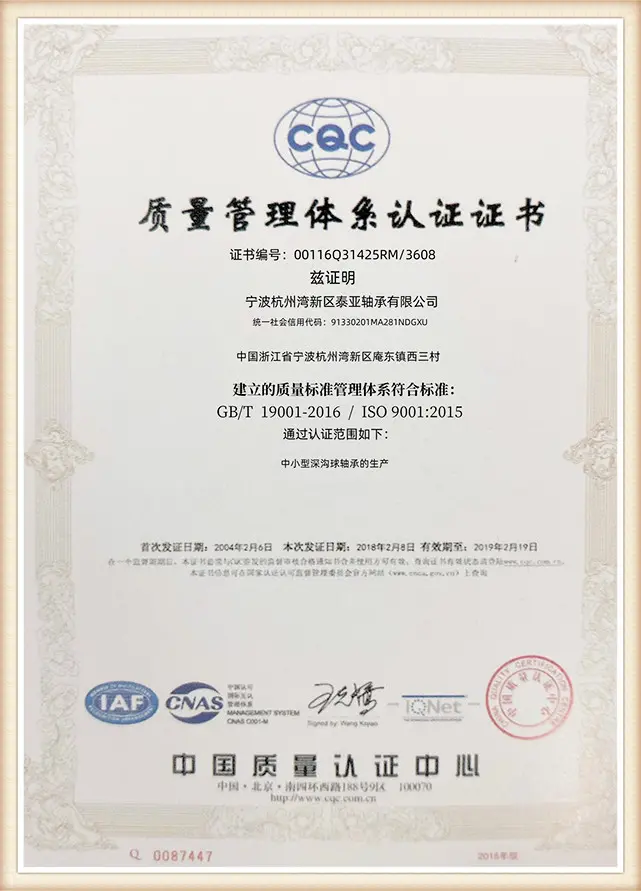
Founded in 2005 in Cixi City, China, we are an ISO9001 certified foreign trade group delivering precision engineering solutions to a global clientele.
Located along Hangzhou Bay in Cixi City, China, our facilities sit roughly 90 minutes from both Shanghai and Ningbo Ports, as well as Ningbo Lishe and Hangzhou Xiaoshan Airports. This gives us exceptional transport access and streamlined shipping lanes to international markets.
We specialize in manufacturing deep groove ball bearings and EMQ (Electric Motor Quality) bearings with inner ring dimensions from 6mm to 90mm. These low-noise, low-vibration components are engineered for long service life and reliable sealing performance.
Beyond bearings, our manufacturing covers motorcycle parts, auto parts, ATVs, dirt bikes, and custom cycling components. All items undergo rigorous quality checks to meet strict OEM and aftermarket performance requirements.
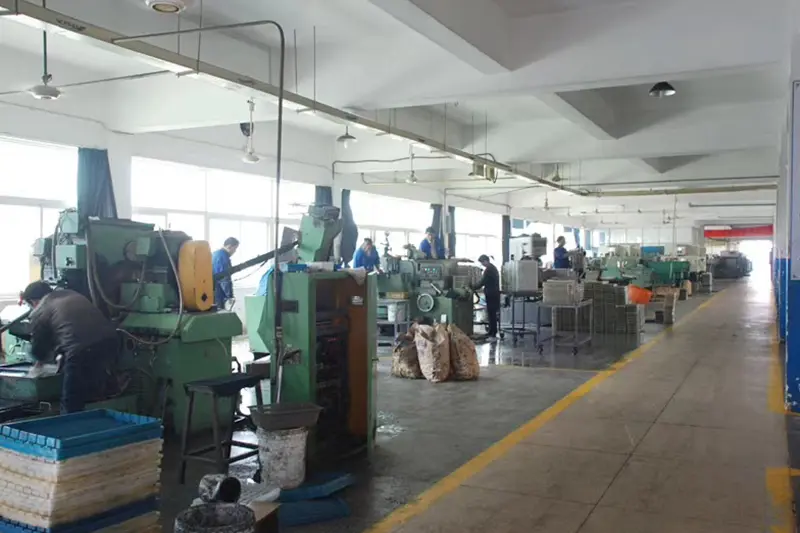
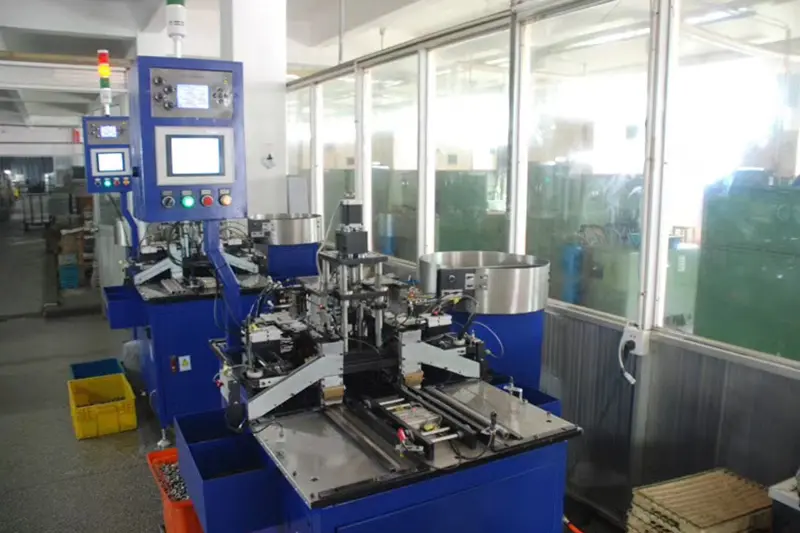
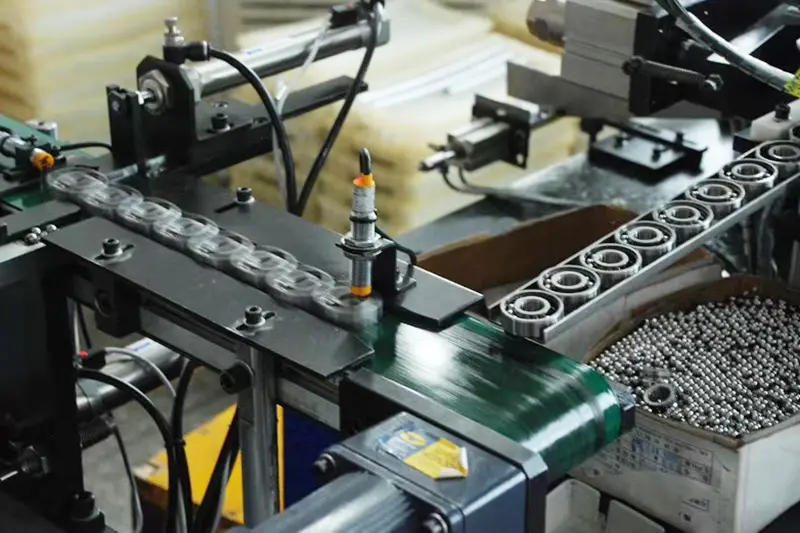
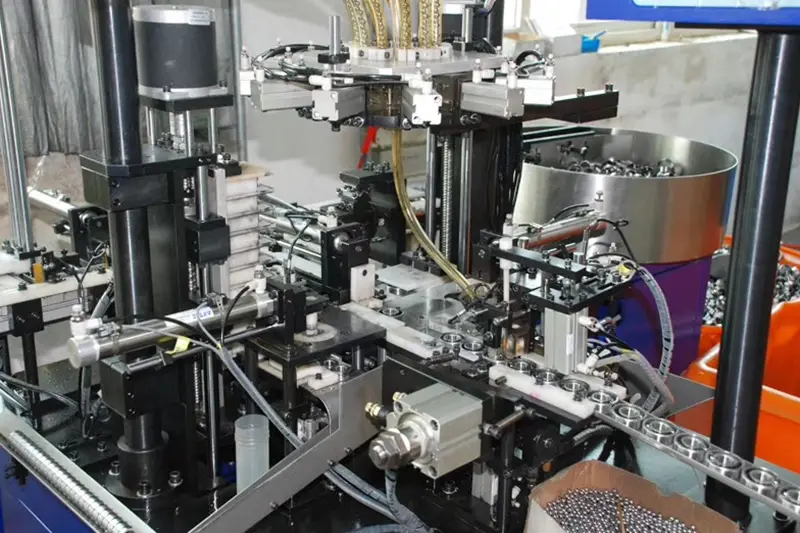
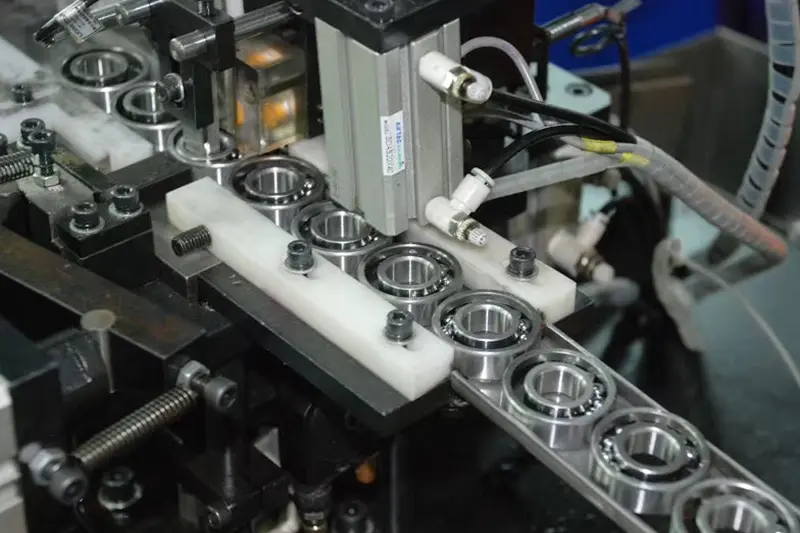
Ensuring compliance with international standards through accredited manufacturing protocols and transparent inspections.
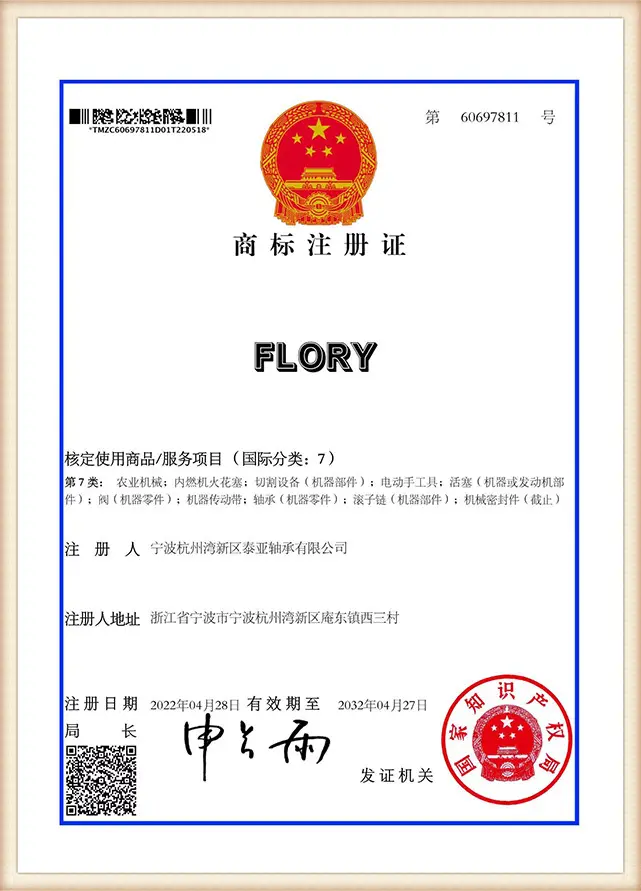
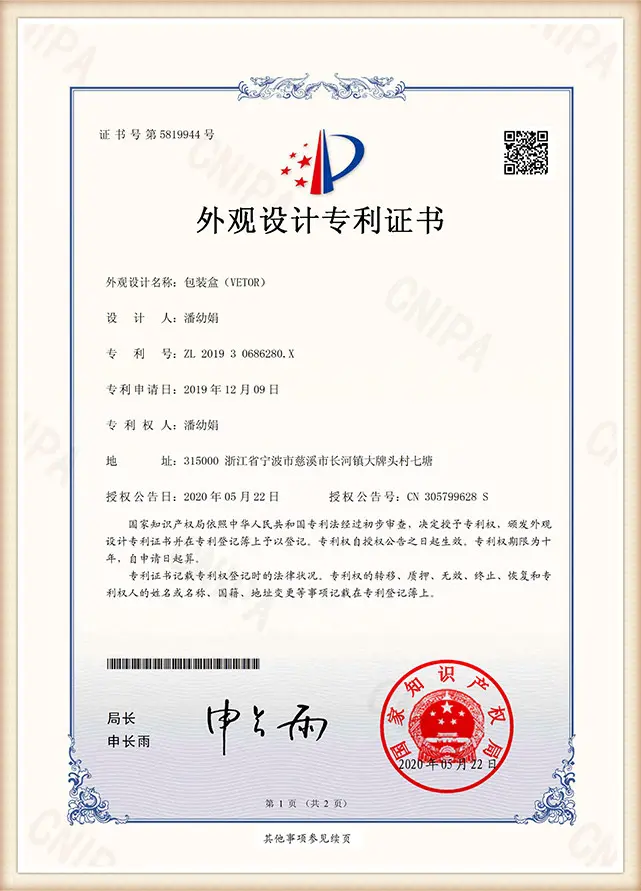
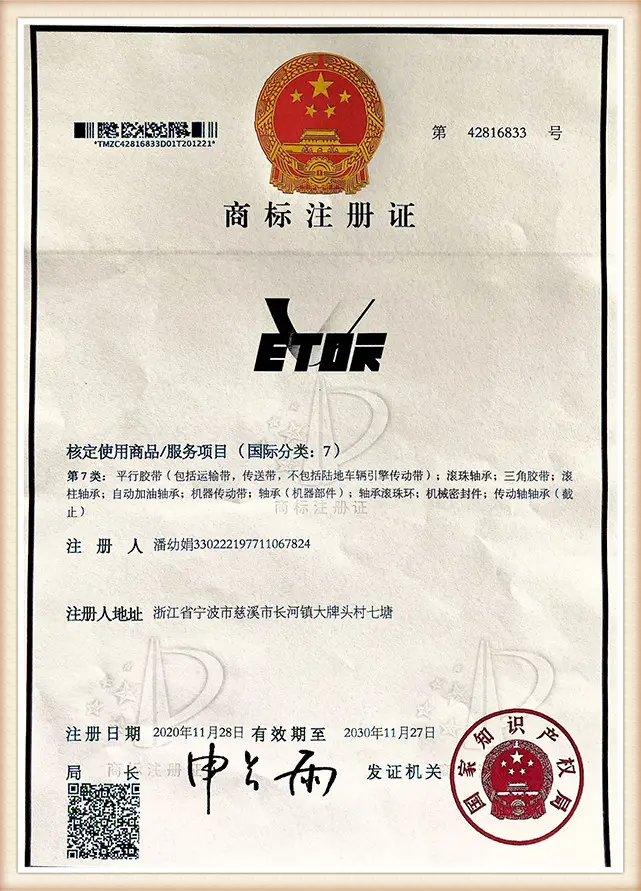
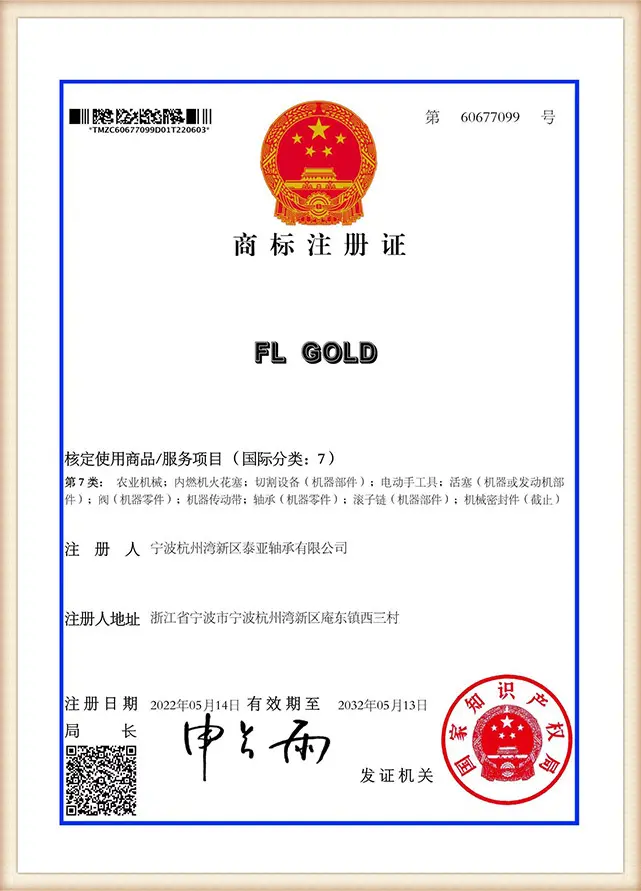
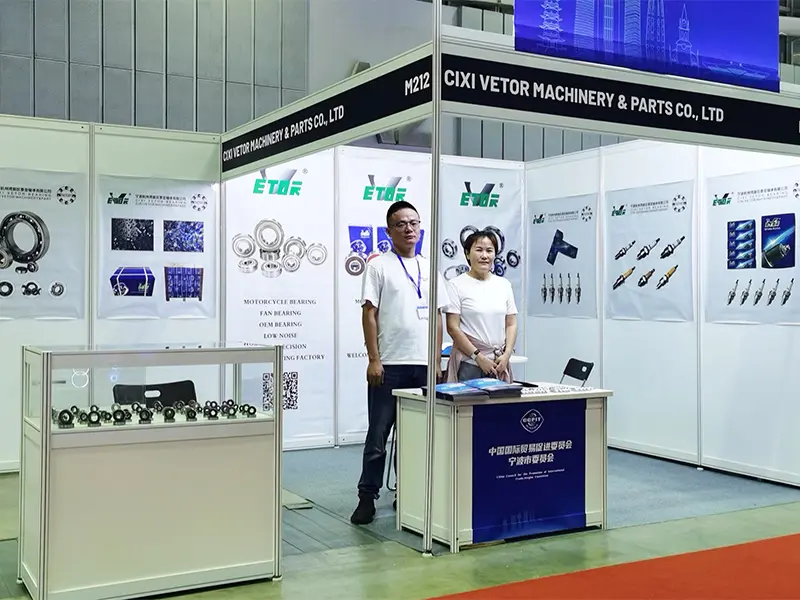
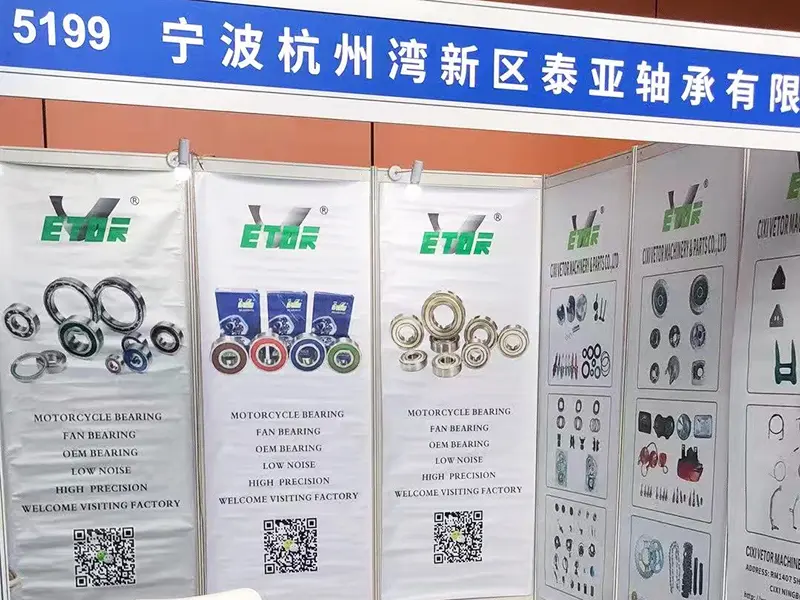
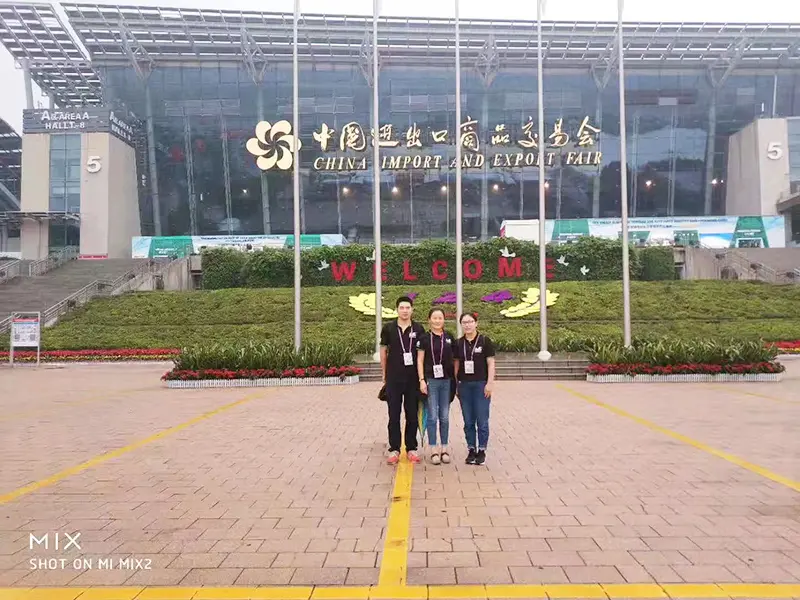
VETOR GROUP delivers comprehensive manufacturing and sourcing solutions across multiple sectors.
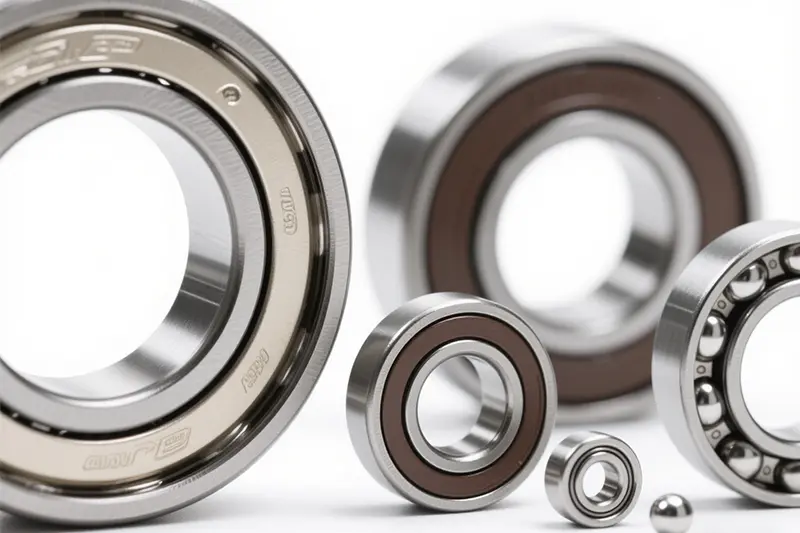
Precision deep groove ball bearings and EMQ-grade bearings (6mm-90mm) featuring low noise, low vibration, and extended service life.
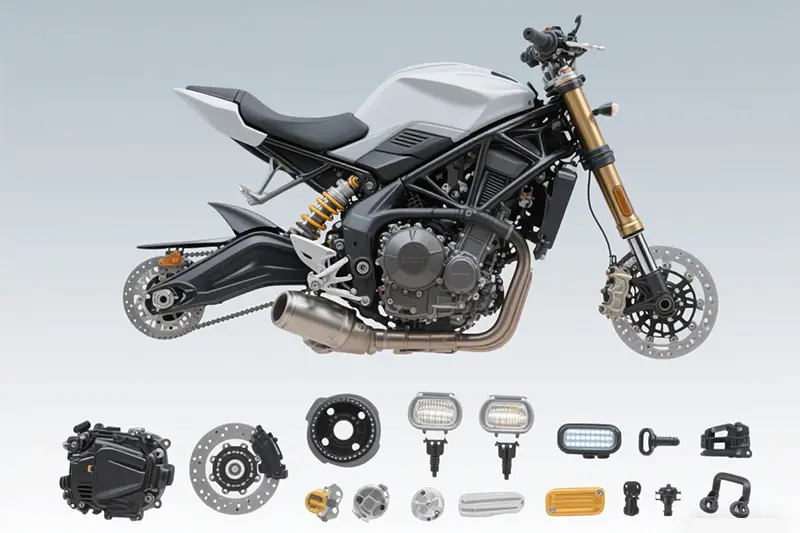
Includes drive chain systems, high-durability braking components, sprockets, cylinders, and electrical accessories built to OEM standards.
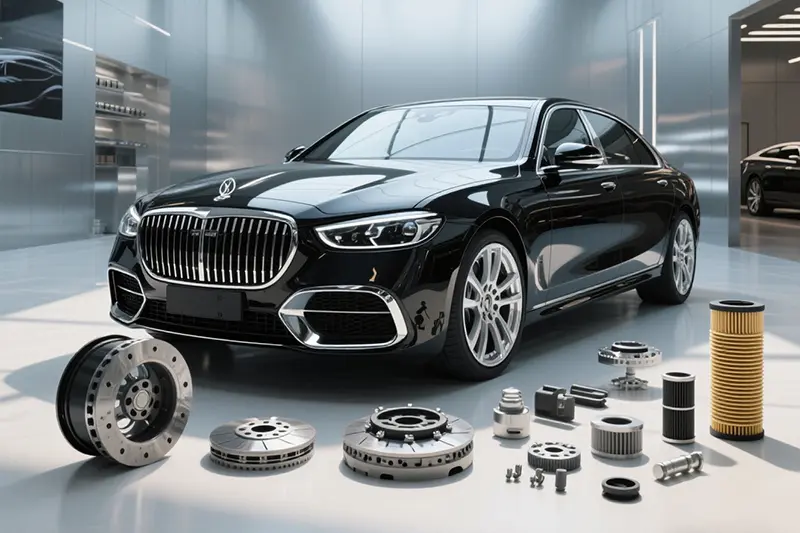
Comprehensive steering and suspension systems, wheel hub assemblies, engine gaskets, filters, and customized structural mounts.
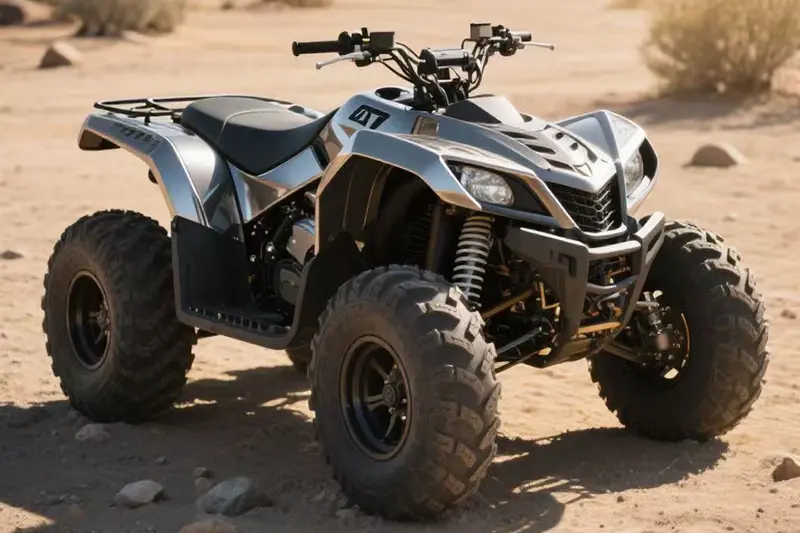
Heavy-duty off-road suspension components, control arms, steering knuckles, and cv axles designed to withstand harsh terrain.
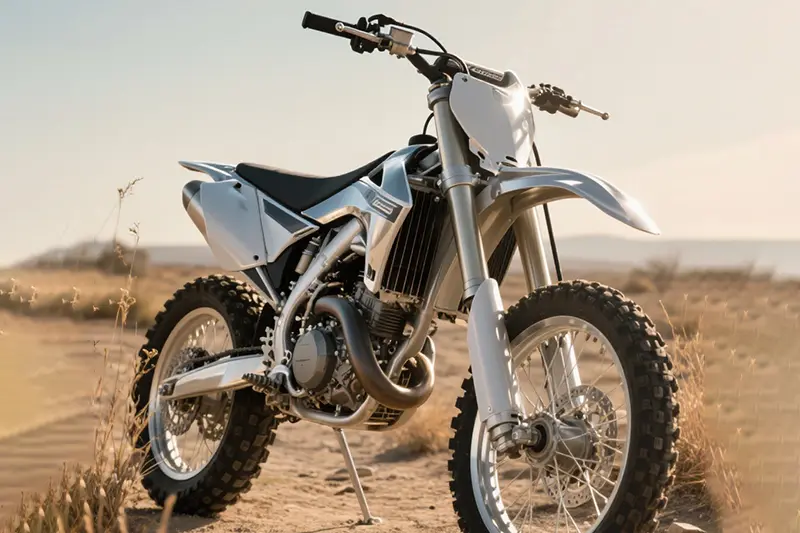
Lightweight structural components, shock absorbers, sprockets, brake pads, and cables designed for off-road performance.
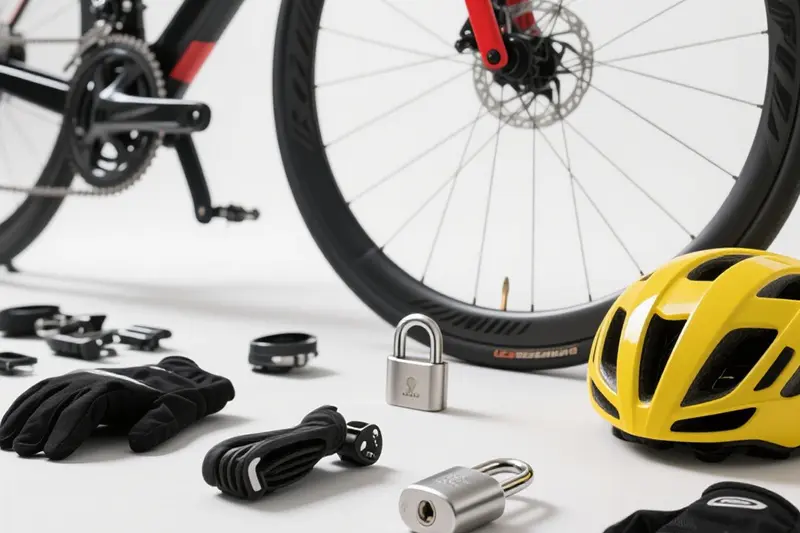
High-strength frames, hubs, cassette gears, and bottom bracket bearings for recreational and commuter bikes.
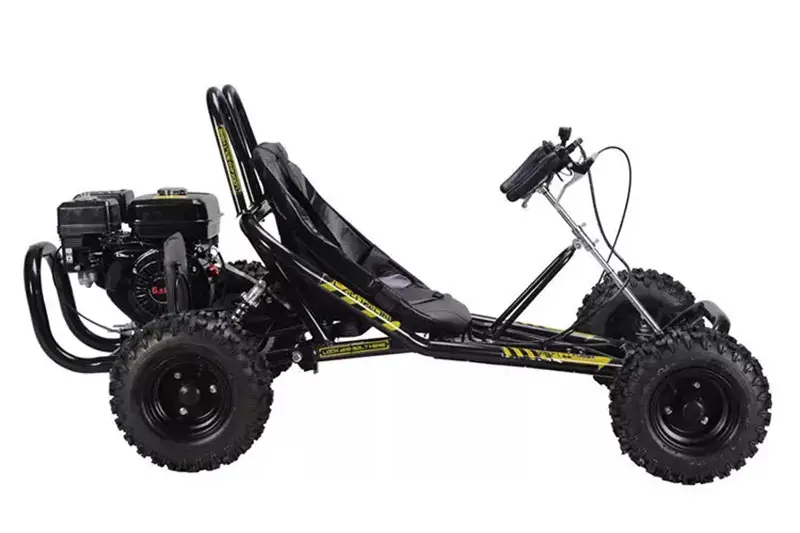
Chassis linkages, steering spindles, mechanical brake callipers, drive clutches, and customized sprockets.
We streamline international procurement with rapid turnarounds, customizable designs, and end-to-end quality monitoring.

Our sales and technical support teams are available from 8:00 to 17:00, Monday through Saturday, to handle technical inquiries, update order statuses, and assist with custom requests.
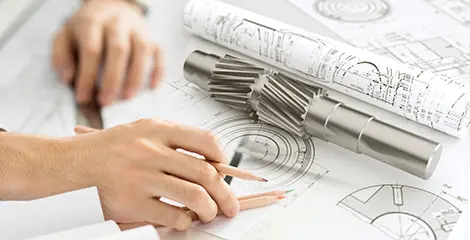
We partner with clients on custom development projects. This includes tailoring raw material choices, modifying structural designs, and creating bespoke retail packaging to align with your brand requirements.

We coordinate carefully with regional port logistics providers to keep shipments running smoothly. Our proximity to major shipping hubs helps us minimize lead times and meet scheduled delivery dates.
Suspension demands vary significantly by region and vehicle application. Understanding these localized operational scenarios is essential for global distributors managing inventory across different target markets.
The North American market has a strong preference for high-payload light trucks, SUVs, and heavy towing setups. In these conditions, ball joints must withstand severe vertical loads and rough driving surfaces. Sourcing specifications often call for large-diameter metal-on-metal designs equipped with greasable zerk fittings. This allows fleet mechanics to purge contaminants during routine servicing, extending the joint's service life.
European vehicle platforms require responsive handling and high-speed stability for motorway driving. To achieve this, suspension setups demand tight rotational tolerances and low frictional resistance. Polymer-seated ball joints (utilizing premium POM grades) are highly favored here for their consistent damping feel. Additionally, components must withstand strict environmental tests, such as resisting road salts and chemical washes in cold northern climates.
In regions across South America, the Middle East, and Africa, vehicles frequently run on unpaved roads and under dusty, hot conditions. These environments are tough on suspension components. Standard rubber dust boots can quickly crack from ozone exposure or abrasive sand. For these markets, distributors should prioritize ball joints equipped with double-lip polyurethane dust boots. These heavy-duty boots keep fine grit out of the internal grease, preventing premature wear.
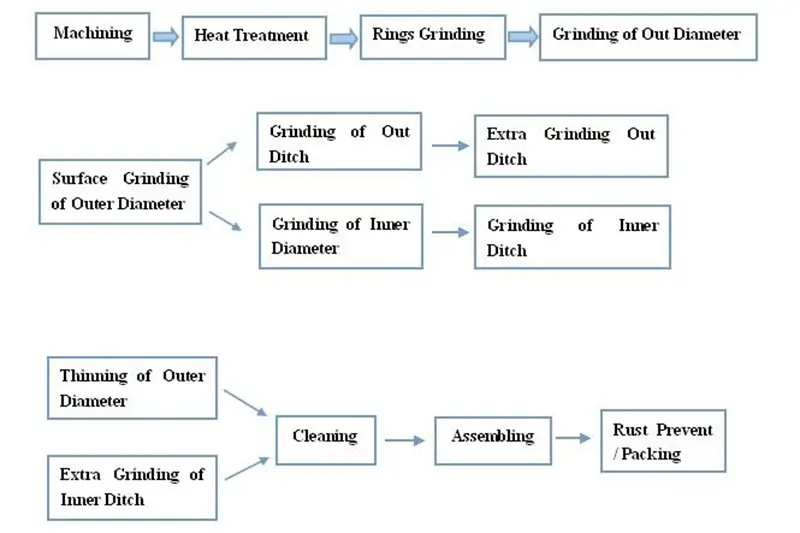
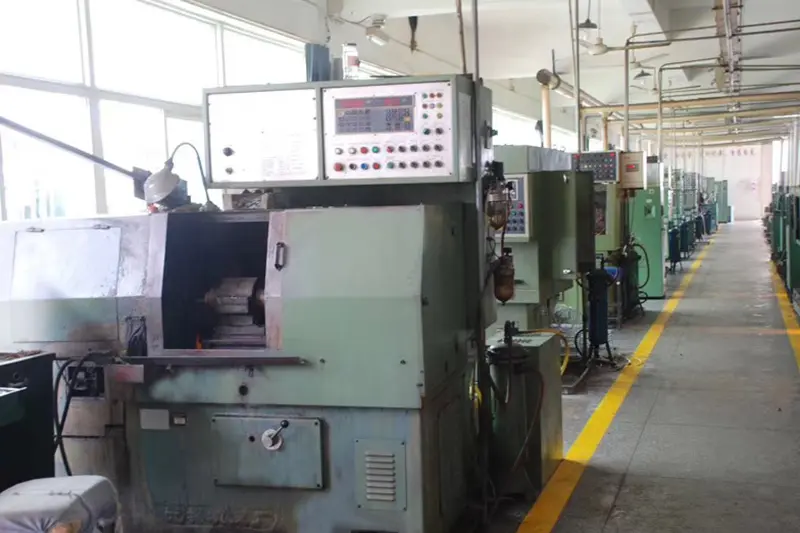
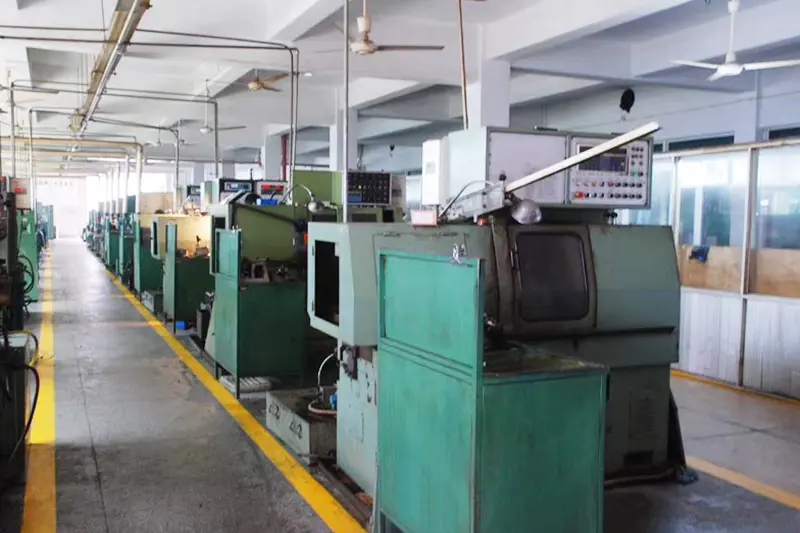
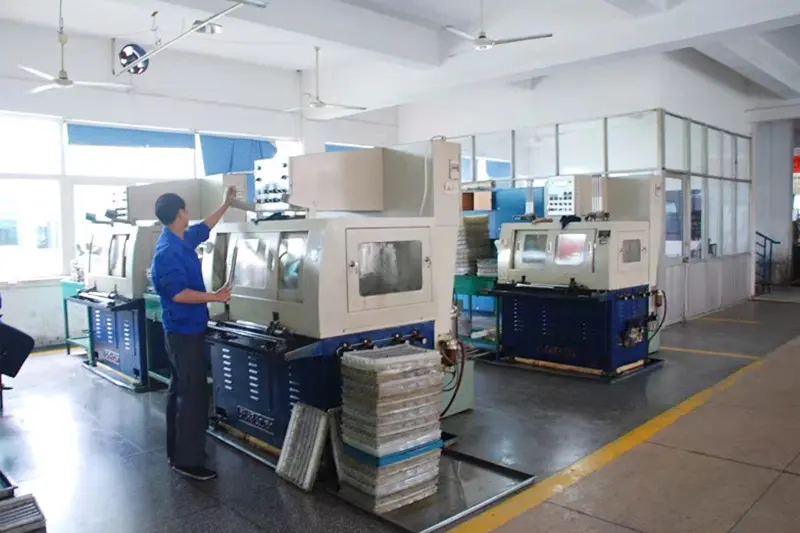
To prevent premature failures and manage warranty risks, a reliable suspension component manufacturer must implement rigorous quality assurance checks at every stage of production.
"By utilizing our manufacturing expertise in deep groove and EMQ-grade bearings, VETOR GROUP applies precision tolerances and noise-free operation standards to our entire steering and suspension catalog."
Common questions from B2B buyers, distributors, and logistics partners concerning suspension arm ball joints.
Browse our catalog of complementary components, engine parts, and hardware options for global distribution.
 VETOR GROUP