Explore our premier collection of high-precision bearings, heavy-duty machinery components, and automotive electrical assemblies.
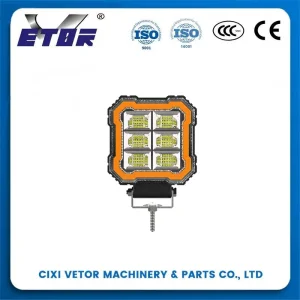
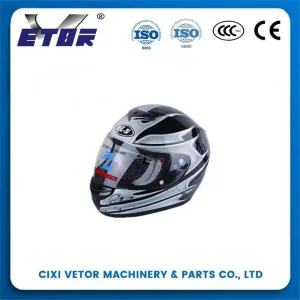
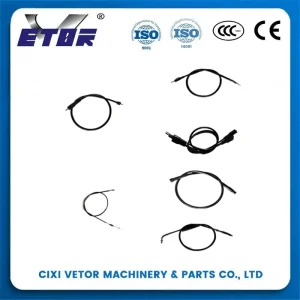
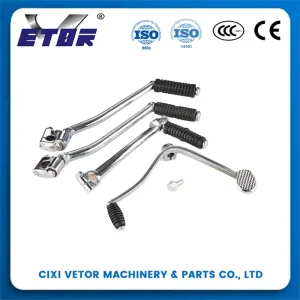
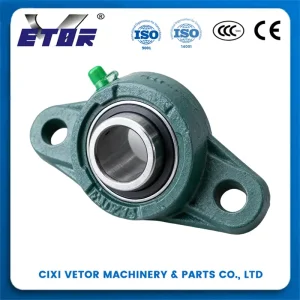
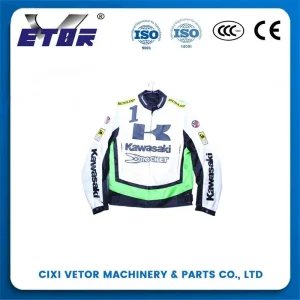
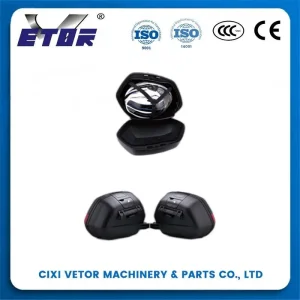
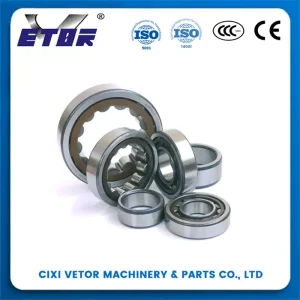
Modern industrial sectors are continually pushing thermodynamic boundaries to maximize efficiency, capacity, and output. Standard chrome steel and traditional metallic alloy bearings exhibit rapid mechanical degradation under intense heat conditions, typically losing structural temper and lubrication effectiveness beyond 150°C. To address these vulnerabilities, engineering divisions rely heavily on High-Temperature Ceramic Bearings manufactured from silicon nitride (Si3N4), zirconia (ZrO2), and silicon carbide (SiC).
These advanced ceramics showcase remarkable structural integrity, remaining stable under extreme thermal thresholds reaching up to 800°C—and even higher when combined with custom graphite or non-lubricated configurations. The global paradigm shift toward high-efficiency thermal processing systems has elevated ceramic bearing technologies from a niche aerospace component to an essential element in high-capacity manufacturing, metallurgy, semiconductor processing, and energy industries.
China has established itself as a leading global manufacturer of these high-performance components. Chinese producers utilize massive regional supply chains and robust material synthesis capabilities to deliver high-quality ceramic bearings at highly competitive price points. VETOR GROUP, representing this precision engineering cluster, provides high-performance bearing products designed to survive the most demanding industrial environments.
ESTABLISHED YEAR
QUALITY COMPLIANT
COUNTRIES EXPORTED
INNER RING RANGE
A comparative breakdown of structural ceramics designed to survive extreme thermal loads, chemical corrosion, and electrical conduction.
Commonly referred to as the pinnacle material for hybrid ceramic bearings, Silicon Nitride exhibits a thermal tolerance up to 800°C. It possesses only 40% of the density of steel, significantly reducing centrifugal stress at high rotational velocities. Furthermore, Si3N4 has outstanding electrical insulation properties, eliminating electrical pitting and micro-welding inside electric motors and power units.
Ideal for exceptionally corrosive chemical environments and high temperature zones up to 400°C. Zirconia bearings feature a thermal expansion rate remarkably close to steel, facilitating easier integration with metallic shafts and housings. With extreme resistance to highly acidic or basic environments, ZrO2 is widely specified in medical, marine, and wet processing machinery.
Withstanding temperatures in excess of 1000°C, Silicon Carbide offers the highest thermal threshold among common engineering ceramics. SiC provides maximum hardness and corrosion resistance, rendering it the standard for heavy-load, chemical-submerged pump bearings and aerospace propulsion systems, despite its susceptibility to high thermal shock rates.
From Cixi City to the global market, providing ISO9001 certified components under strict quality control frameworks.
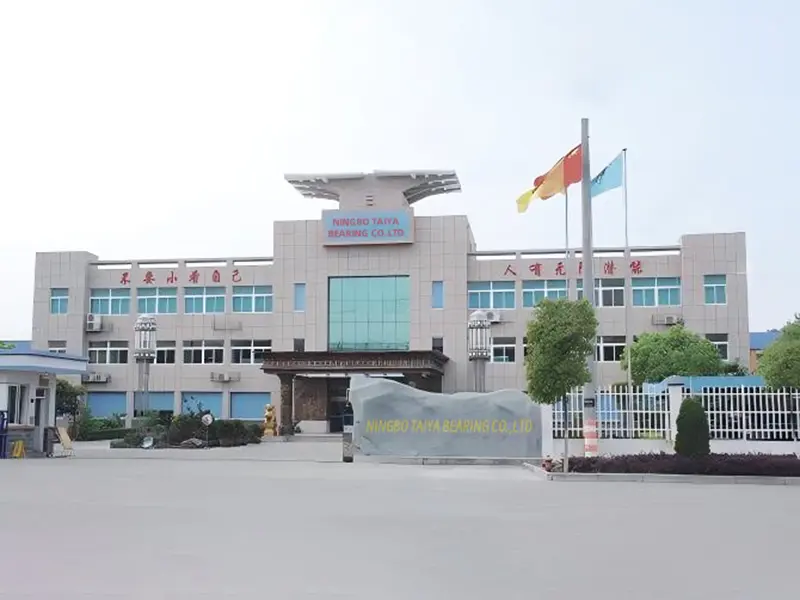
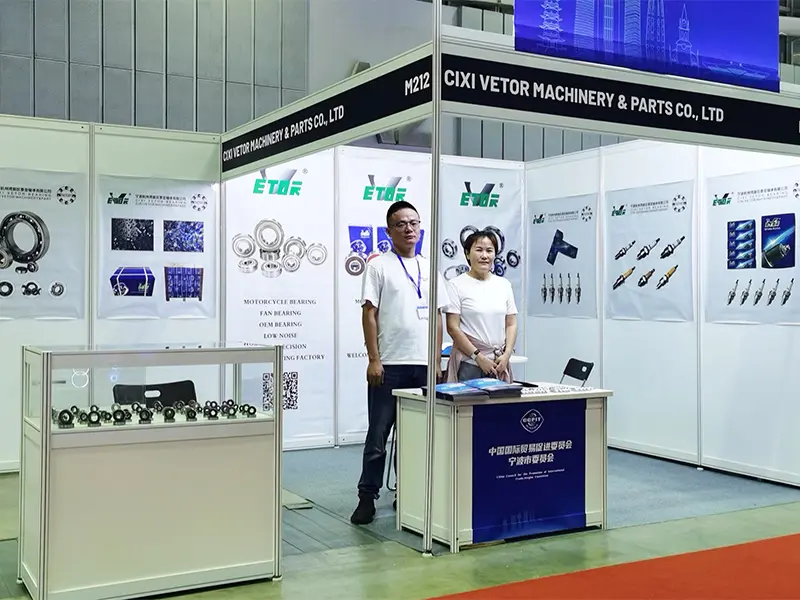
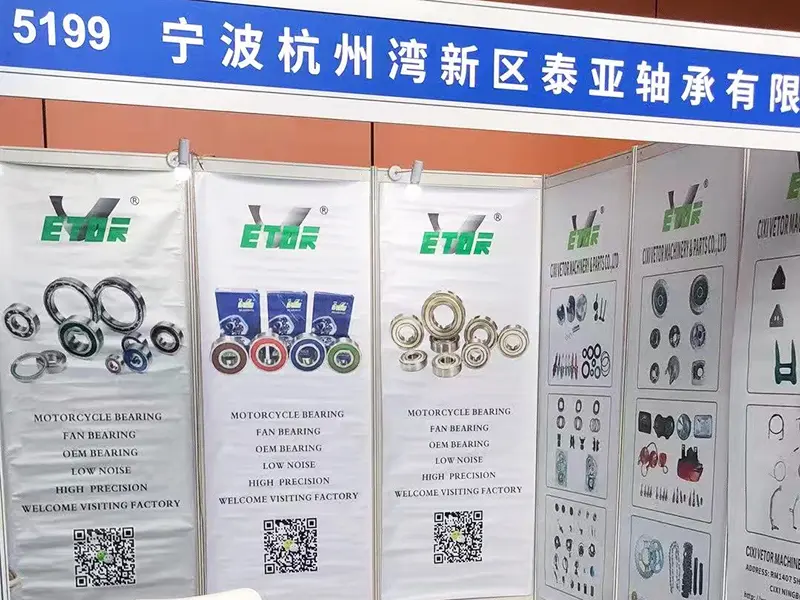
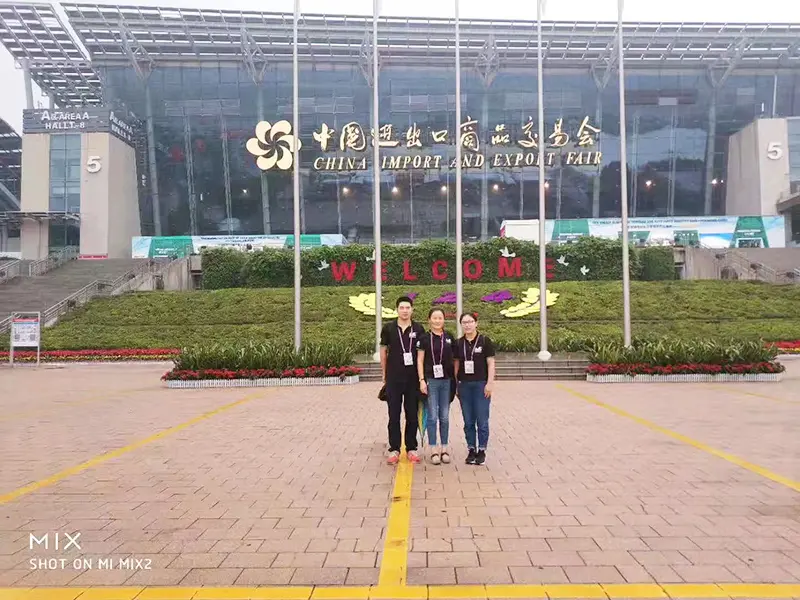
Originally founded in 2005, VETOR GROUP has built a comprehensive foreign trade and industrial infrastructure specializing in manufacturing high-precision bearings and mechanical components. Strategically situated in Cixi City—a critical economic hub adjacent to Hangzhou Bay—our logistics reach is streamlined by close proximity to two of China's most active maritime centers: the Shanghai Port and Ningbo Port. Fast airport routes, including Ningbo Lishe and Hangzhou Xiaoshan International Airports within a 90-minute drive, enable rapid global delivery schedules.
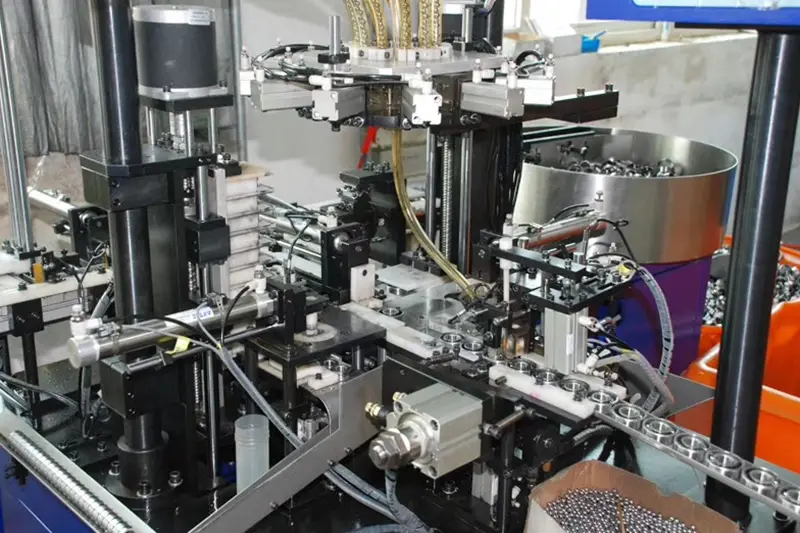
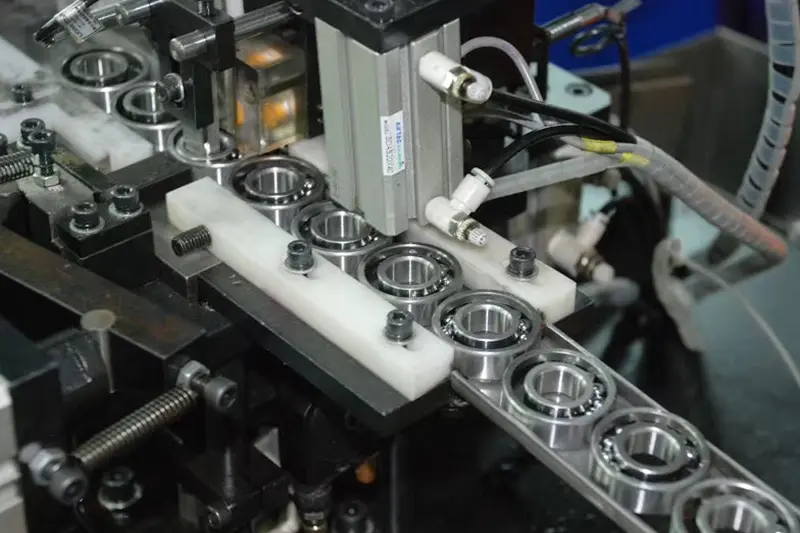
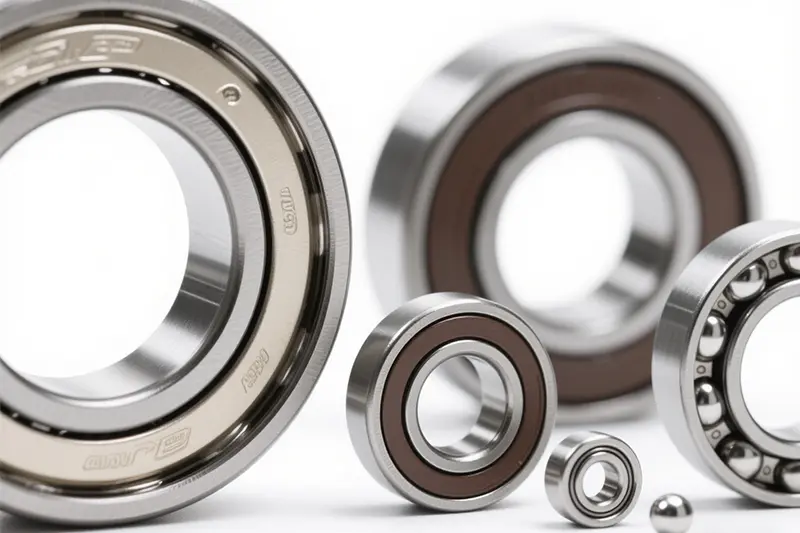
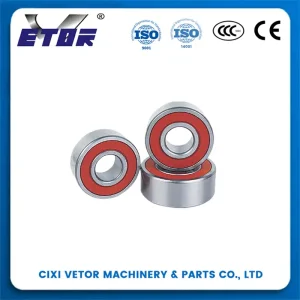
Our bearing manufacturing plant specializes in producing premium deep groove ball bearings and EMQ (Electric Motor Quality) grade bearings, offering inner ring dimensions ranging from 6mm to 90mm. Under our proprietary brand VETOR, we produce bearing assemblies characterized by: Low noise levels, minimal friction coefficients, high sealing integrity, and long service lifetimes even under severe operating conditions.
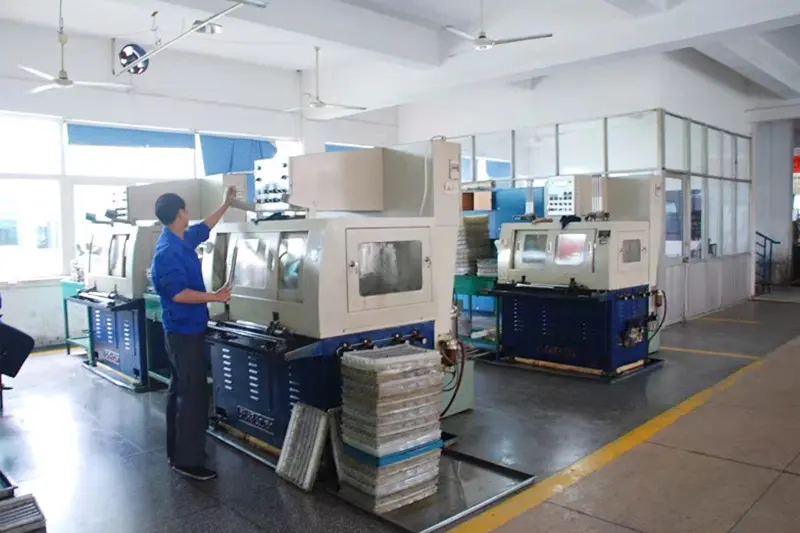
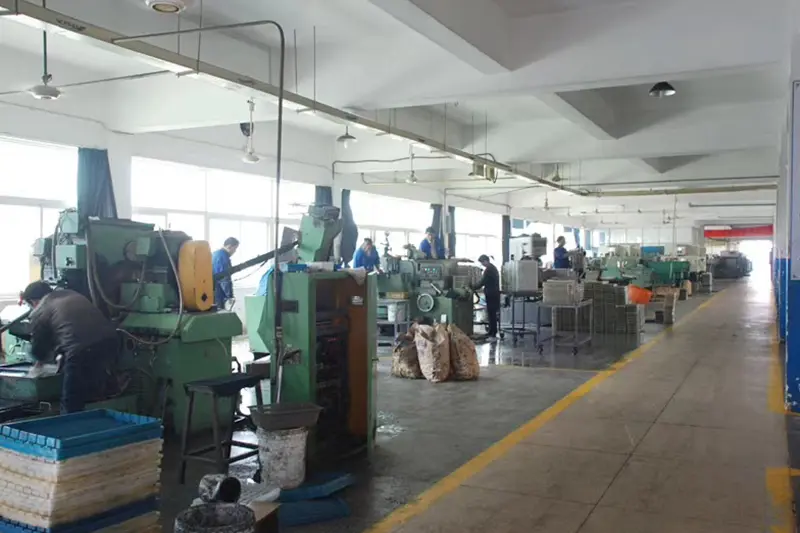
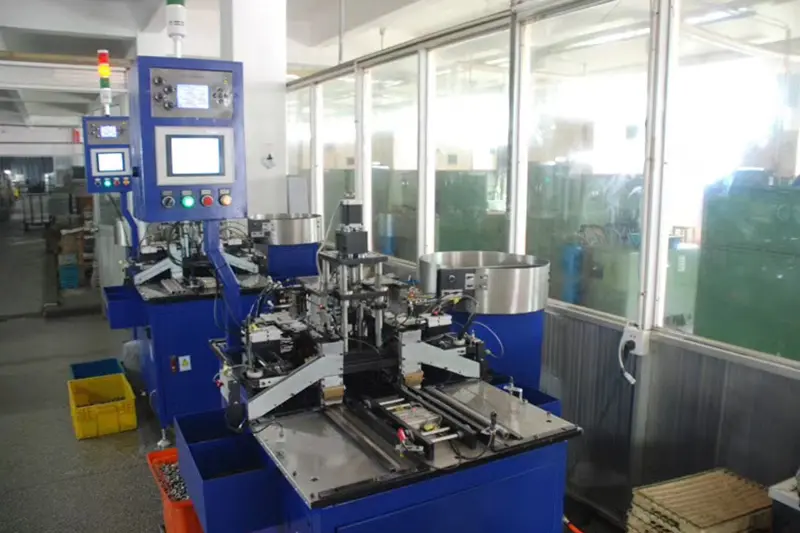
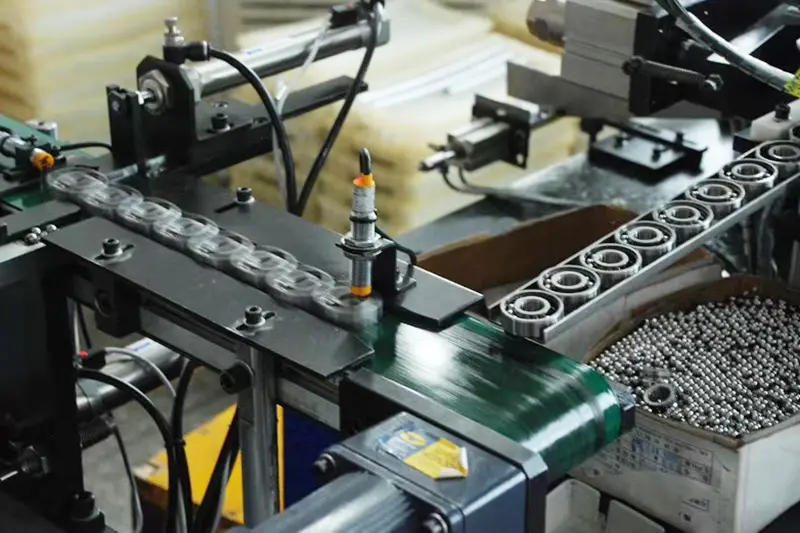
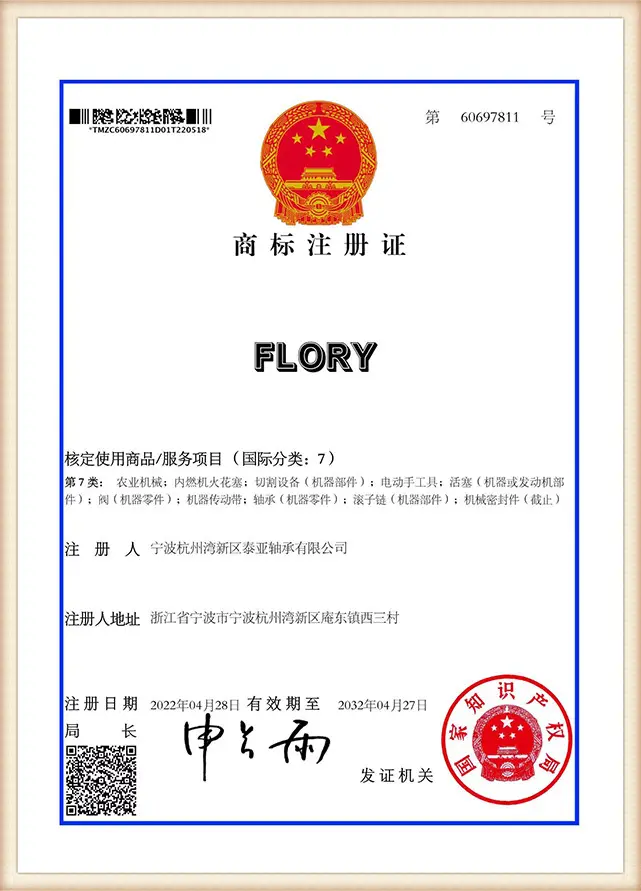
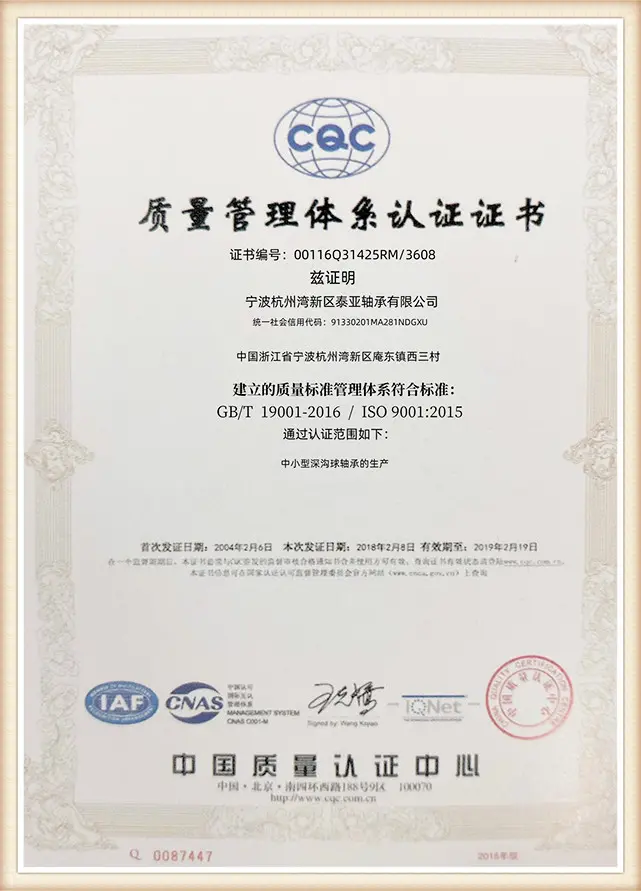
VETOR GROUP operates under the strict guidelines of international certifications to supply industrial markets globally.
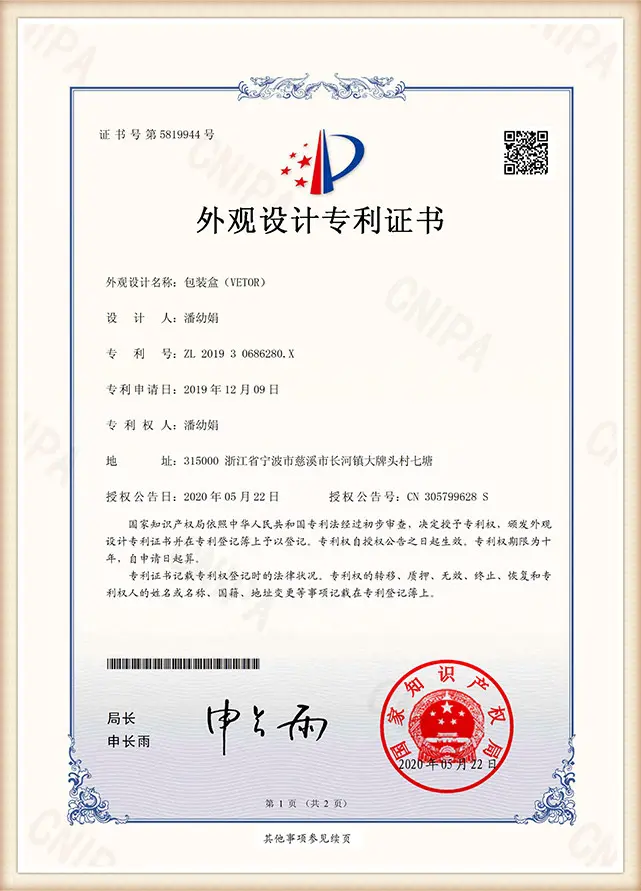
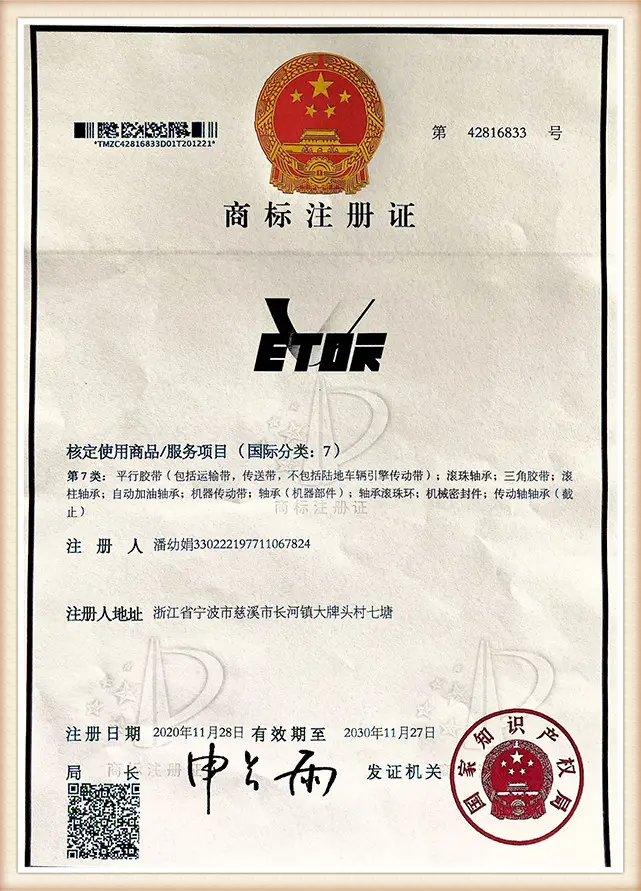
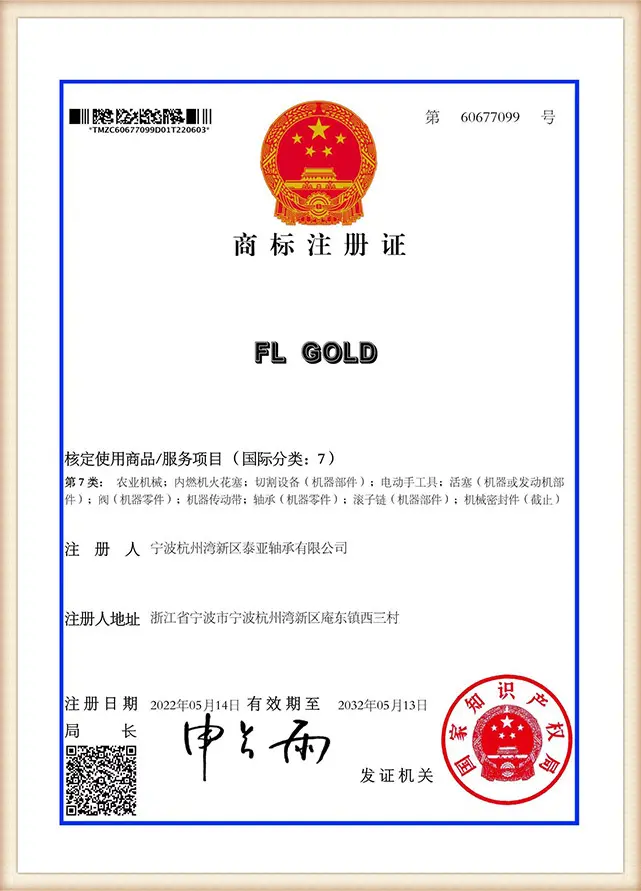
In high-temperature operations, selecting the appropriate structural configuration—either Hybrid Ceramic Bearings or Full Ceramic Bearings—is critical to preventing premature mechanical failure. This engineering breakdown outlines the primary design configurations:
Hybrid bearings incorporate ceramic rolling elements (typically Si3N4) inside traditional high-temp alloy steel rings (such as AISI M50, Cronidur 30, or AISI 440C with heat stabilization). This combination is highly effective for high-speed applications that require electrical insulation, such as modern electric vehicles and high-speed spindles. The ceramic balls minimize dynamic friction, reduce centrifugal load, and run cooler than all-steel configurations. However, their maximum thermal capacity is limited by the temperature limit of the steel rings, typically capping operating temperatures below 350°C.
In environments exceeding 400°C, steel components become unusable. Full ceramic bearings feature outer rings, inner rings, and rolling elements crafted entirely from Si3N4, ZrO2, or SiC. Standard cages are replaced by high-performance engineering polymers (like PEEK or PTFE) for mild temperatures, or eliminated entirely (known as full complement configurations) to withstand extreme heat up to 800°C.
Traditional grease or oil-based lubrication degrades, carbonizes, or ignites above 250°C. Therefore, high-temperature ceramic bearings rely on advanced lubrication methods:
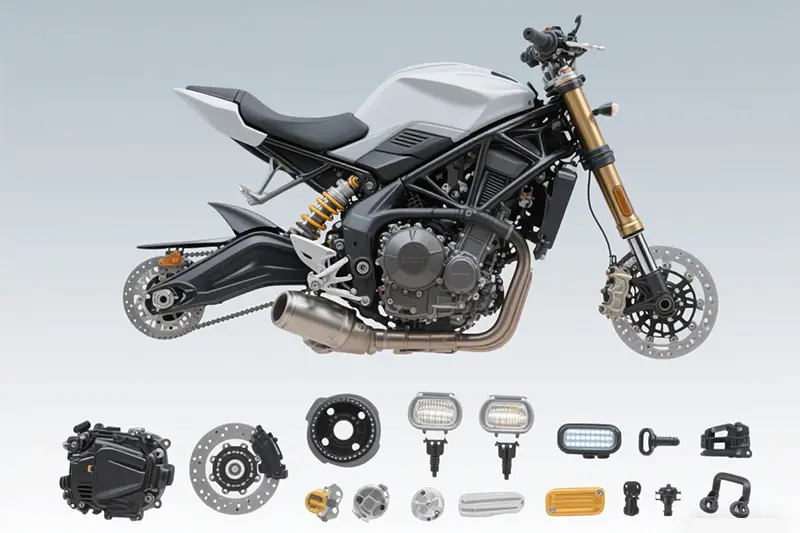
VETOR GROUP delivers comprehensive manufacturing and sourcing solutions across a wide range of industrial and transport sectors.
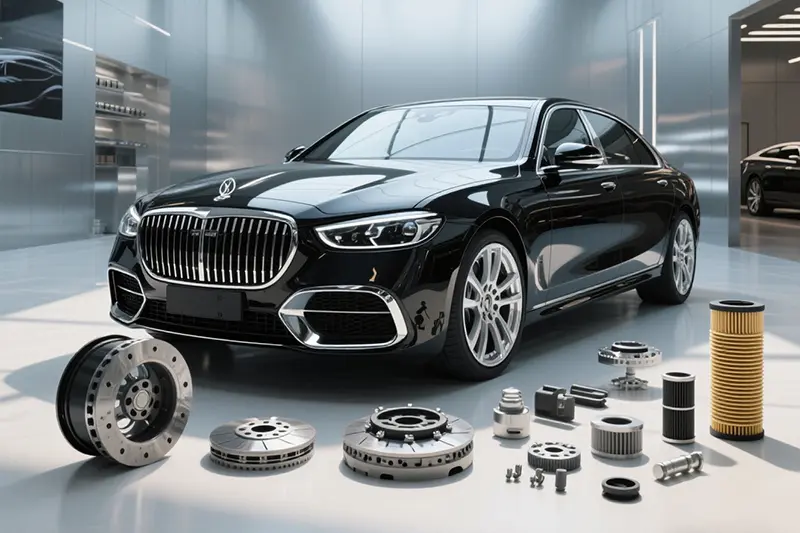
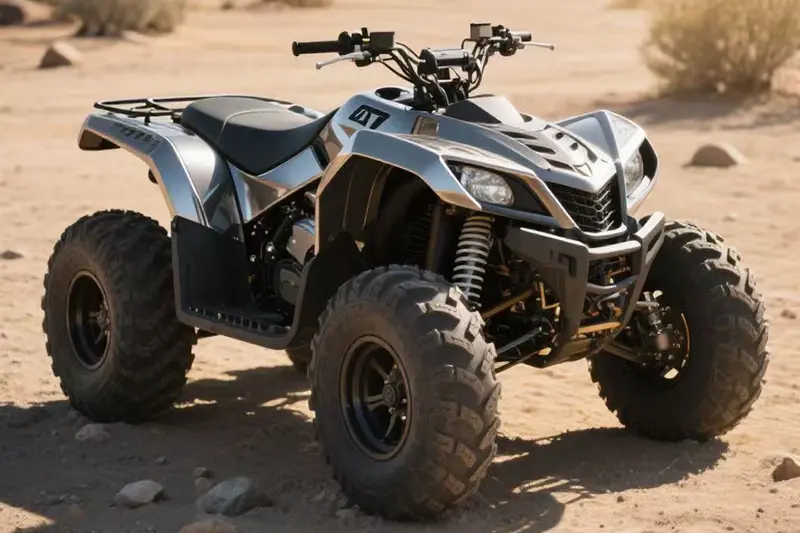
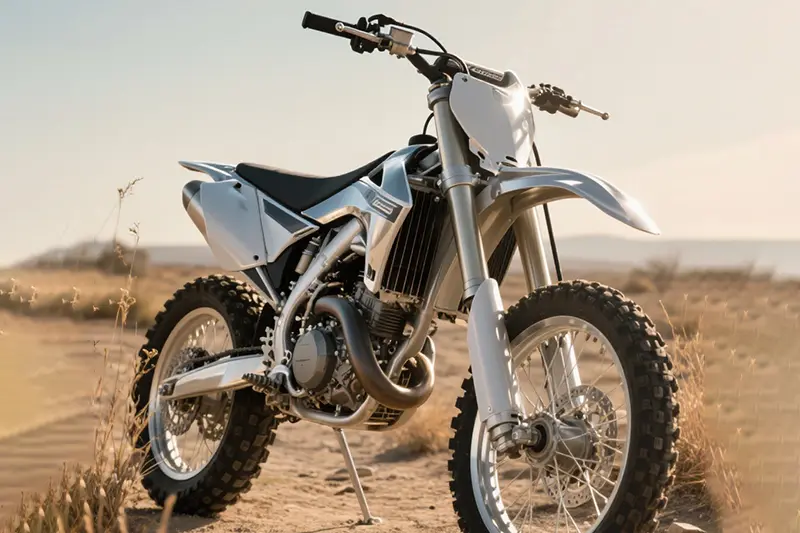
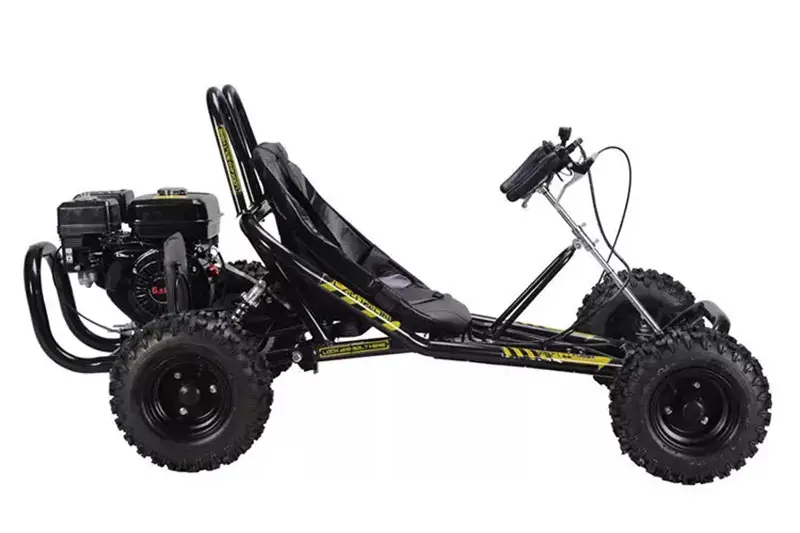
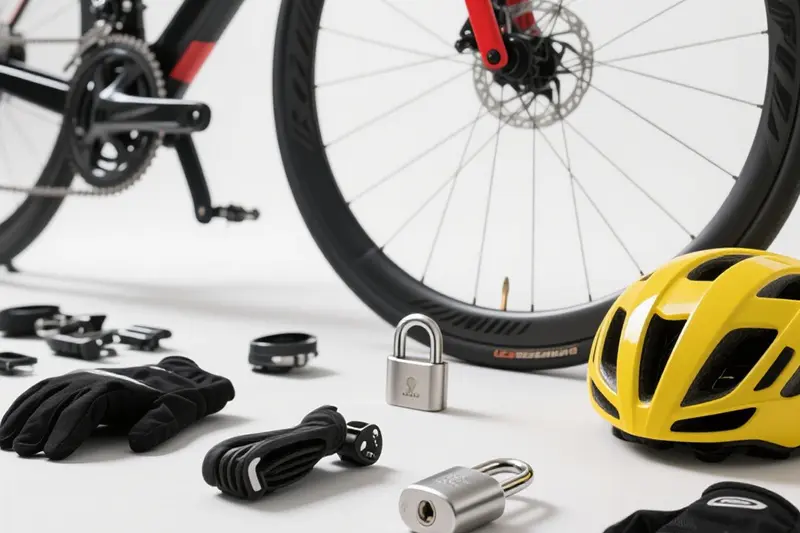
We deliver optimized engineering capabilities, strict quality assurance, and complete global supply solutions.
Our engineering division focuses on material innovation, leveraging high-grade structural ceramic compounds to ensure product reliability under heavy thermal loads. We provide customized configurations, including specific clearances, custom-designed cages, and specialty dry-lubricant coatings.
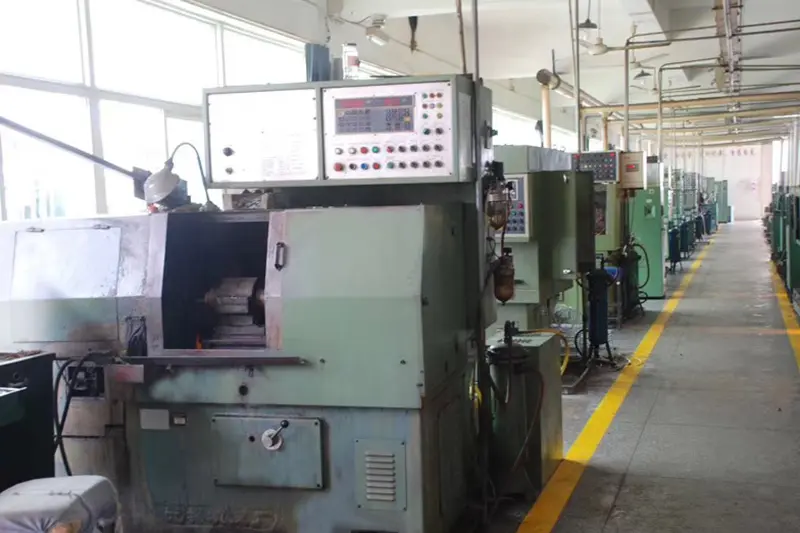
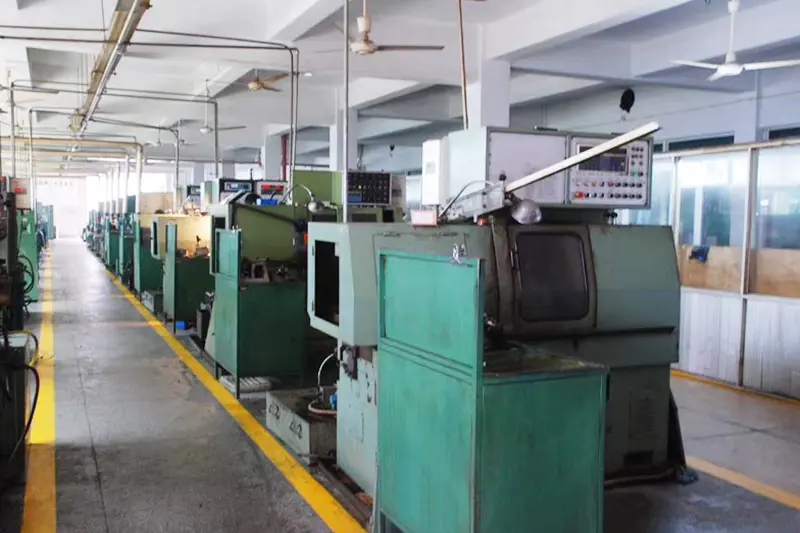
All VETOR manufacturing processes are certified to the ISO9001 standard. Using advanced testing equipment, we conduct comprehensive inspections for noise levels, vibration profiles, geometric tolerances, and material traceability, ensuring consistent batch-to-batch quality.
We offer full OEM and ODM support with low MOQ limits starting at 1,000 units for standard bearings. Our engineering team can develop custom prototypes within 7 to 10 days to help speed up project validation cycles.

Our support team provides prompt technical and commercial assistance from 8:00 to 17:00, Monday through Saturday.
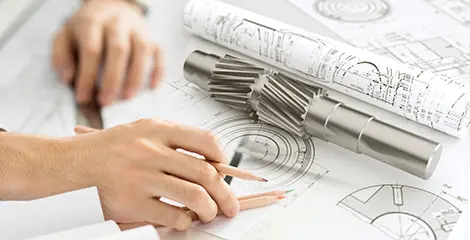
We provide full design integration and custom sizing to align with specific industrial operating parameters.
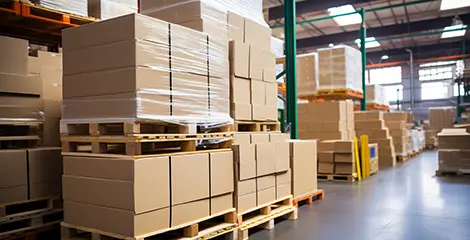
We utilize streamlined logistics systems to ensure shipments are delivered on time, in compliance with all contractual terms.
Comprehensive answers to critical engineering and procurement questions regarding high-temperature ceramic bearings.
Traditional petrochemical lubricants oxidize and break down above 200°C. High-temperature ceramic bearings operate without liquid lubricants by leveraging the low friction coefficients of Silicon Nitride (Si3N4) and Zirconia (ZrO2). For higher speeds or heavier loads, engineers use solid dry lubricants like graphite, Molybdenum Disulfide (MoS2), or Tungsten Disulfide (WS2) applied as surface treatments or built into sacrificial graphite cages.
Silicon Nitride (Si3N4) is stronger, harder, and possesses a higher thermal limit (up to 800°C), making it the preferred material for high-speed, high-precision hybrid bearings. Zirconia (ZrO2) has a lower thermal limit (up to 400°C) but offers a thermal expansion rate very close to steel. It is highly resistant to acid, saltwater, and corrosive chemicals, making it ideal for wet and chemical processing applications.
Silicon Nitride (Si3N4) has a thermal expansion coefficient that is only 25-30% of steel's. When a hybrid bearing (ceramic balls with steel rings) undergoes heating, the steel rings expand much faster than the ceramic balls. This increases internal clearance and can lead to vibration. Proper clearance design (e.g., C3 or C4 clearance grades) is crucial when specifying hybrid bearings for high-temperature service.
EMQ bearings are manufactured to tighter tolerances and undergo strict testing to ensure exceptionally low noise and vibration. In electric motors, using hybrid ceramic bearings with Si3N4 balls prevents electrical pitting. Because ceramic is non-conductive, it blocks stray electrical currents from passing through the bearing, protecting the raceways from electric arc damage.
Located in Cixi City near Ningbo, VETOR GROUP operates close to Ningbo and Shanghai Ports, two of China's largest container shipping hubs. This strategic location enables fast transit times, lower domestic shipping costs, and flexible shipping options (FOB, CIF, CFR) to deliver products efficiently to over 30 countries.
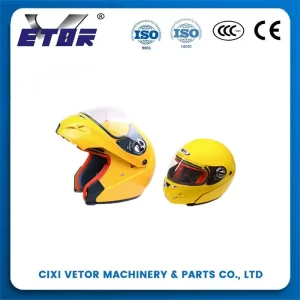
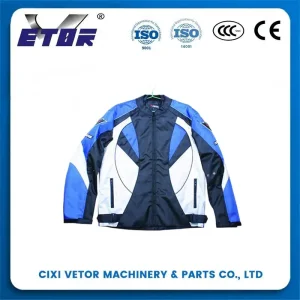
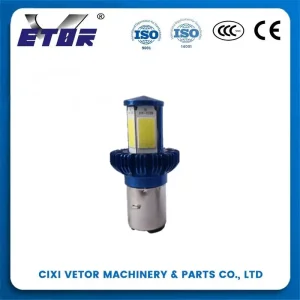
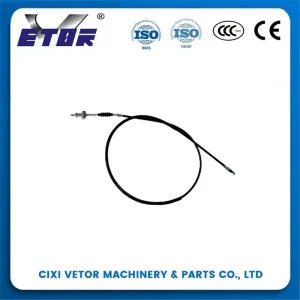
Our comprehensive catalog includes high-quality industrial bearings, steering systems, and driver safety equipment.
 VETOR GROUP