 VETOR GROUP
Technical Whitepaper: Evolution of Motorcycle Fuel Filtration
A comprehensive analysis of clean fuel technologies, filtration dynamics, and macro-industrial supply chains in global two-wheel markets.
1. Macro-Industry Filtration Solutions: Why Inline Systems Matter
In modern small-engine configurations, gasoline quality varies significantly across international markets. The transition toward high-pressure Electronic Fuel Injection (EFI) systems in motorcycles requires superior clean-fuel delivery compared to legacy carbureted setups. Even minute particles of dirt, rust, or debris can cause fuel injector clogging, leading to reduced combustion efficiency, engine knocking, and catastrophic engine failure.
Motorcycle inline fuel filters serve as the primary line of defense. By installing these high-efficiency filters directly between the fuel tank and the intake mechanism, riders and commercial operators prevent particle contamination. High-performance inline filters remove particles down to 5–10 microns. For heavy-duty industrial fleets, reliable filtration reduces maintenance cycles and keeps operational downtime to a minimum.
2. Global Commercial & Industrial Landscape
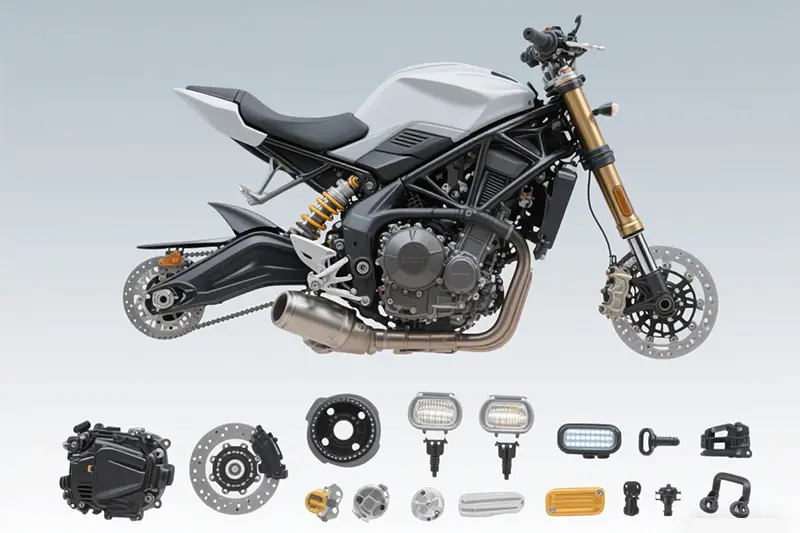
The global demand for high-durability motorcycle parts is growing rapidly, driven by the expansion of delivery services, commercial logistics, and urban transit in developing nations. Manufacturers in China lead the world in production capacity, engineering inline fuel filters that balance cost-effectiveness with high performance.
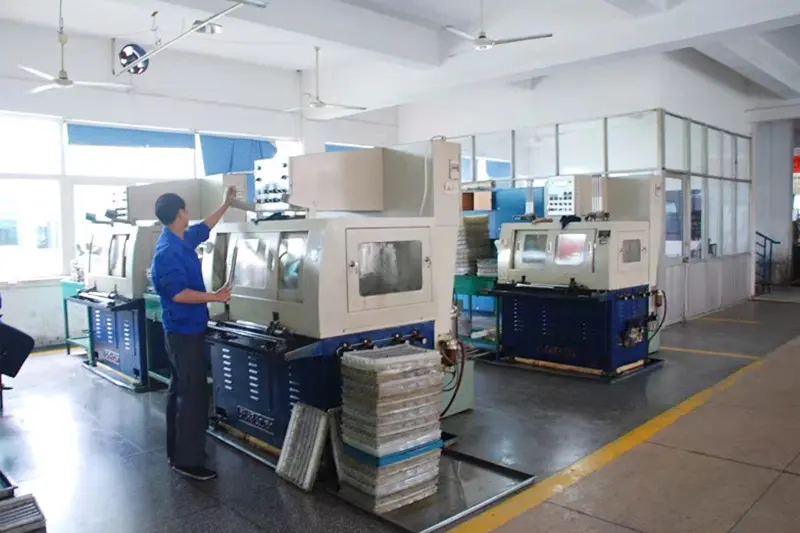
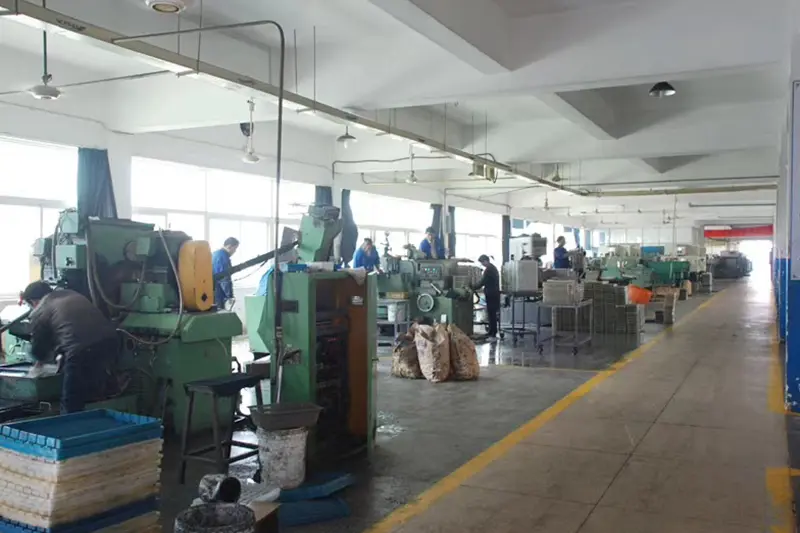
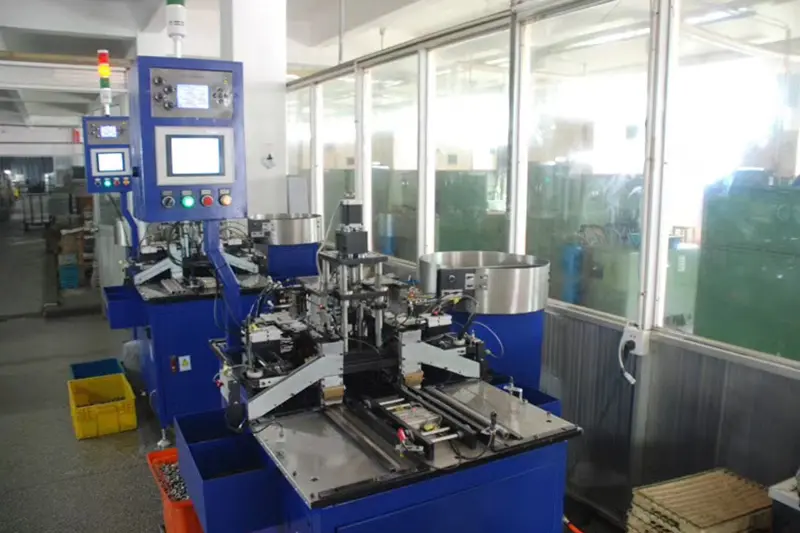
In Europe and North America, strict environmental regulations demand fuel system integrity to minimize vapor emissions. In Asia-Pacific and Latin America, filters must handle diverse fuel formulations, including high-ethanol blends, which degrade standard plastic components. Modern Chinese factories have upgraded their production lines to supply robust materials like anodized 6061-T6 aluminum, high-density polyethylene, and heat-resistant glass housings with stainless steel or sintered bronze filtration media.
3. Technical Roadmap & Future Outlook
Transitioning from basic nylon mesh to multi-layered, phenolic-resin-impregnated paper and sintered porous metal. This ensures consistent filtration capacity even under intense heat and vibration.
Using next-generation polymers that offer crystal-clear visual monitoring of fuel quality and element status, combined with the impact resistance of metals.
Developing reusable filters with replaceable elements to reduce plastic waste, alongside internal magnetic traps designed to capture fine metallic debris before it reaches the combustion chamber.