 VETOR GROUP
1 / 2
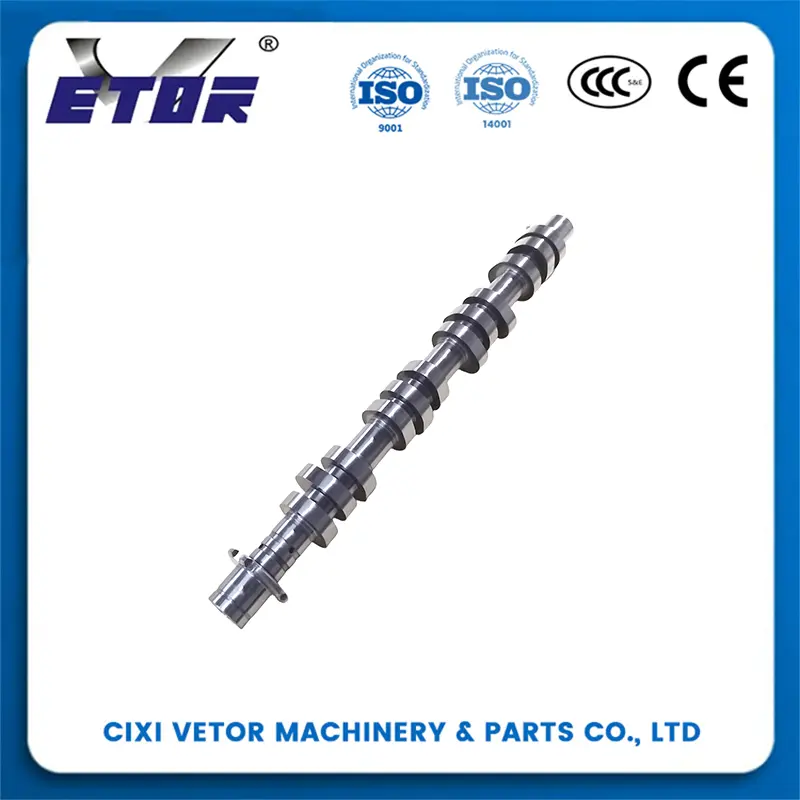
The automotive crankshaft is a core component of the engine's powertrain, responsible for converting the reciprocating linear motion of pistons (driven by fuel combustion) into continuous rotational motion to drive the vehicle. It serves as the "power transfer core" of the engine, directly influencing the engine's power output and operational stability.
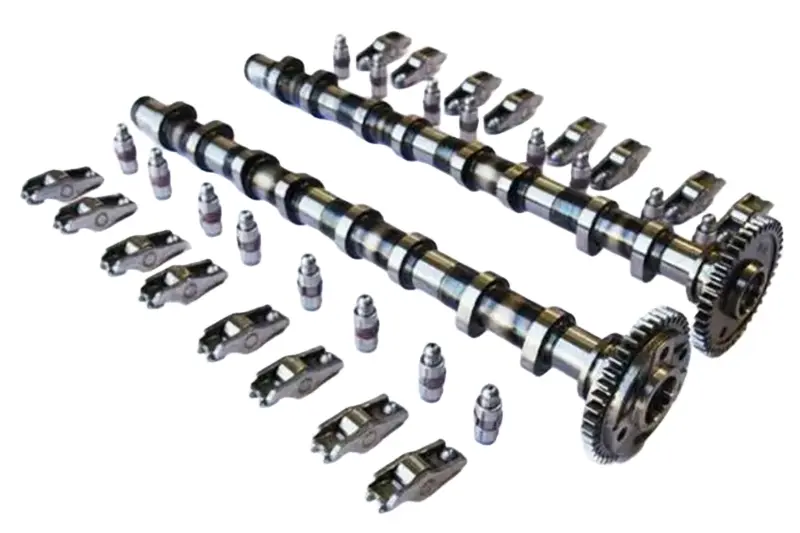
Manufactured from high-strength materials like forged steel or ductile iron, it withstands extreme mechanical stresses (torsion, bending) during high-speed operation.
Features ultra-precise journal surfaces (main journals, connecting rod journals) to ensure smooth rotation and minimize friction when paired with bearings.
Incorporates counterweights to balance rotational inertia, reducing engine vibration and noise, thus enhancing driving comfort.
Applied in gasoline engines of passenger cars and SUVs, it converts piston reciprocation into rotational motion to drive the vehicle's wheels, ensuring smooth power output for daily commuting.
Used in diesel engines of light trucks, it endures higher combustion pressures to provide sufficient torque, meeting the load-carrying needs of urban logistics and short-distance transportation.
Employed in heavy-duty commercial vehicle engines (e.g., semi-trailers, buses), its high-strength structure withstands long-term high-load operation, supporting long-haul transportation and public transit services.
Integrated into engineering machinery engines such as excavators, loaders, and bulldozers, it delivers stable rotational power to drive hydraulic systems and working mechanisms, adapting to harsh construction site environments.
Utilized in marine auxiliary engines and small general-purpose engines (e.g., generators, lawn mowers), it provides reliable rotational power for non-automotive scenarios, ensuring the normal operation of equipment in industries like power generation and landscaping.
The crankshaft converts the reciprocating linear motion of the engine's pistons into continuous rotational motion to drive the vehicle's wheels.
They are manufactured from high-strength materials, such as forged steel or ductile iron, to withstand extreme rotational and mechanical stresses.
Crankshafts integrate precise counterweights to balance rotational inertia, which significantly reduces vibration and engine noise, leading to smoother operation.
It ensures the main and connecting rod journal surfaces are ultra-smooth, reducing friction with engine bearings and ensuring reliable operation under high speeds.
Yes, they are widely used in heavy duty commercial vehicles, diesel trucks, engineering machinery like excavators, and marine auxiliary engines or generators.