China Stainless Bearing Manufacturers & Manufacturer

Demystifying EMQ Grade Standards, Material Selection, and High-Precision Rotary Engineering for Global Supply Chains

2005
Established Year
ISO9001
Quality Standard Certified
6-90mm
Inner Ring Bore Range
30+
Global Countries Exported

Section 1: The Global Shift in Stainless Bearing Production

Analyzing material advancements, mechanical clearances, and localized manufacturing advantages in Cixi City.

In modern industrial manufacturing, the demand for components that offer high mechanical strength, chemical inertness, and extreme durability under severe environmental stressors has never been higher. High-performance rotary engineering hinges on the reliability of deep groove ball bearings and EMQ (Electric Motor Quality) bearings. Over the past two decades, China has evolved from a volume-oriented manufacturer to a specialized high-precision hub, with the industrial belt in Zhejiang Province leading this transition.

VETOR GROUP, established in 2005, is at the forefront of this technological shift. Strategically situated in Cixi City, Zhejiang—on the bank of Hangzhou Bay—our factory leverages direct logistics pathways to Shanghai Port and Ningbo Port. This strategic proximity translates to a compressed logistics cycle for global OEMs, offering seamless transit to global hubs via Ningbo Lishe and Hangzhou Xiaoshan Airports.

Information Gain Perspective: Not all stainless steel bearings are created equal. Global procurement managers often confuse AISI 440C (martensitic) with AISI 304 or AISI 316 (austenitic) variants. Understanding the structural properties of these alloys is critical for predicting fatigue limits, operational noise levels, and load capacity under dynamic stress.

Alloy Composition & Performance Comparison Matrix

Choosing the correct stainless steel alloy determines the wear life and cost-effectiveness of your industrial machinery. The table below highlights the crucial trade-offs between hardness, corrosion resistance, and speed characteristics:

Alloy Standard Hardness (HRC) Corrosion Resistance Dynamic Load Rating Ideal Application Environments
AISI 440C (Martensitic) 58 - 62 Moderate (Good in water/steam) High (接近 Chrome Steel) High-speed motors, automotive hubs, heavy machinery
AISI 304 (Austenitic) 15 - 20 Excellent (Resists mild acids) Low (Non-hardenable) Marine equipment, cleanroom components, textile pulleys
AISI 316 (Austenitic + Mo) 15 - 20 Superior (High chloride resistance) Very Low Chemical processing plants, medical instruments, marine
Si3N4 / Hybrid Ceramic 75 - 80 Extreme (Inert to most chemicals) Excellent Ultra-high-speed spindles, electrical isolation tools

Company Profile & Industrial Infrastructure

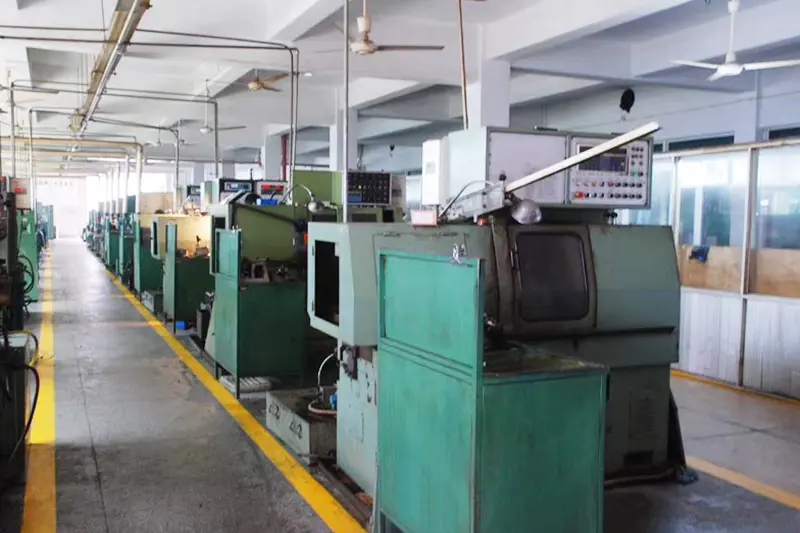
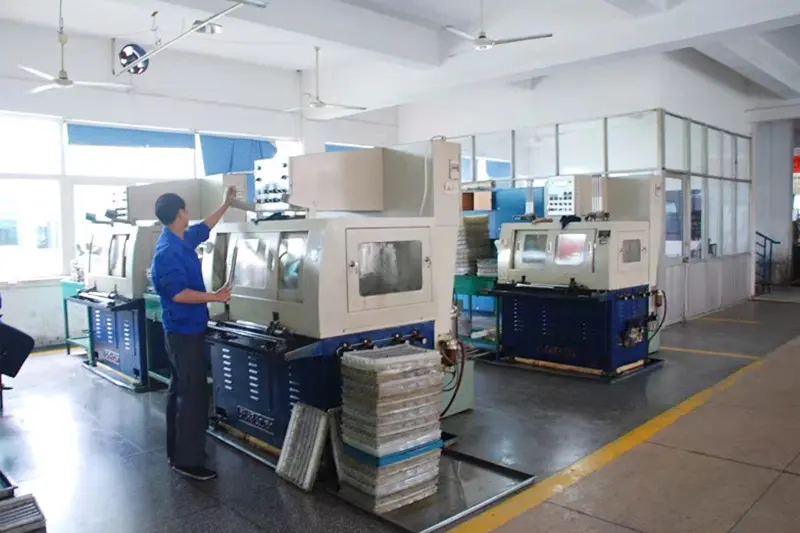
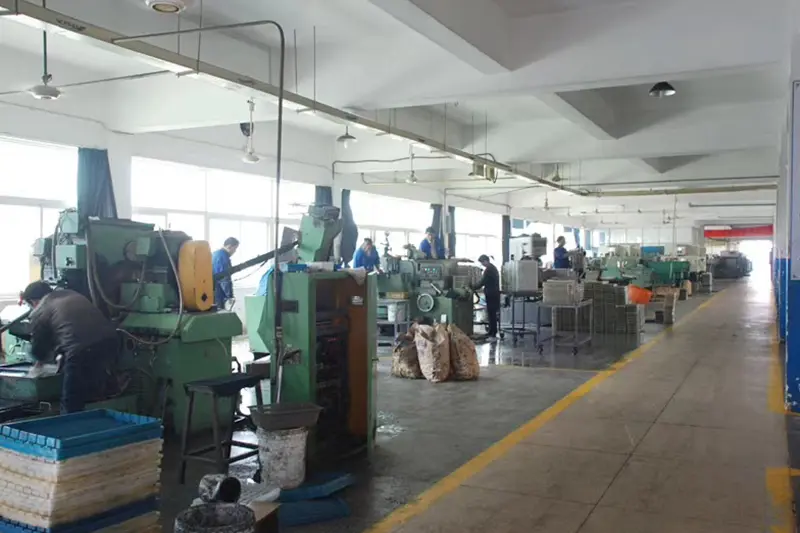
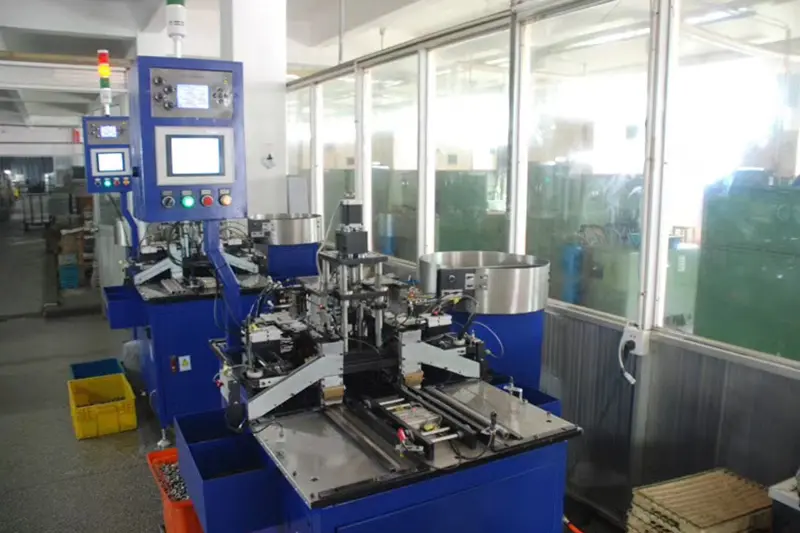
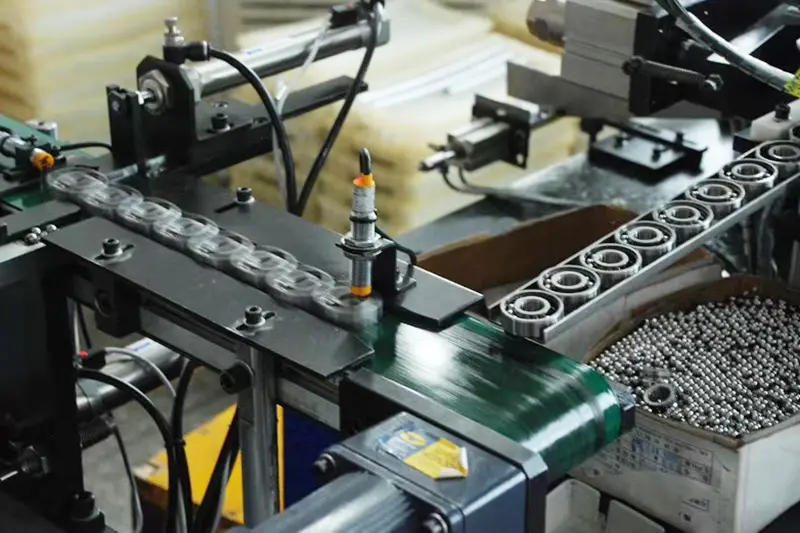
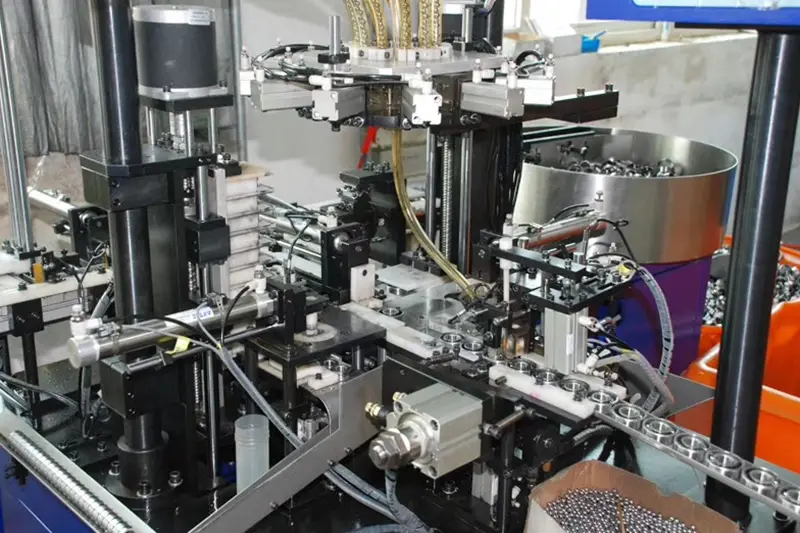
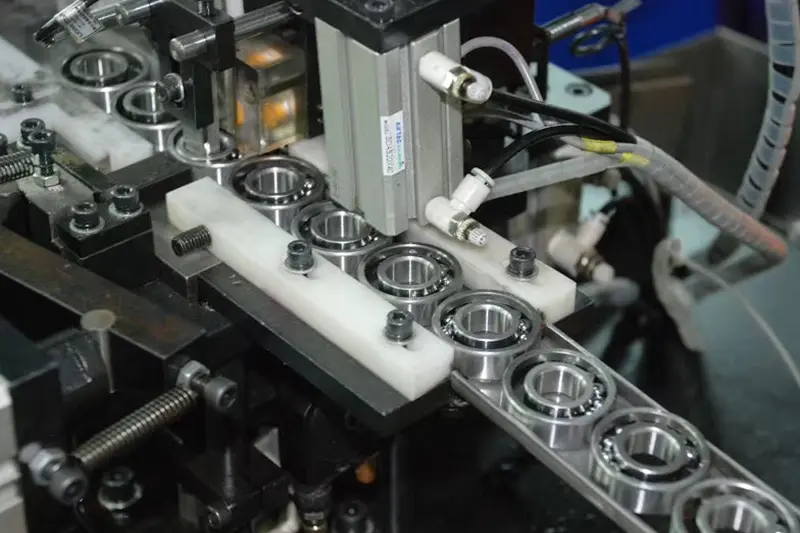
Operating a state-of-the-art manufacturing facility specializing in deep groove ball bearings and EMQ grade bearings.
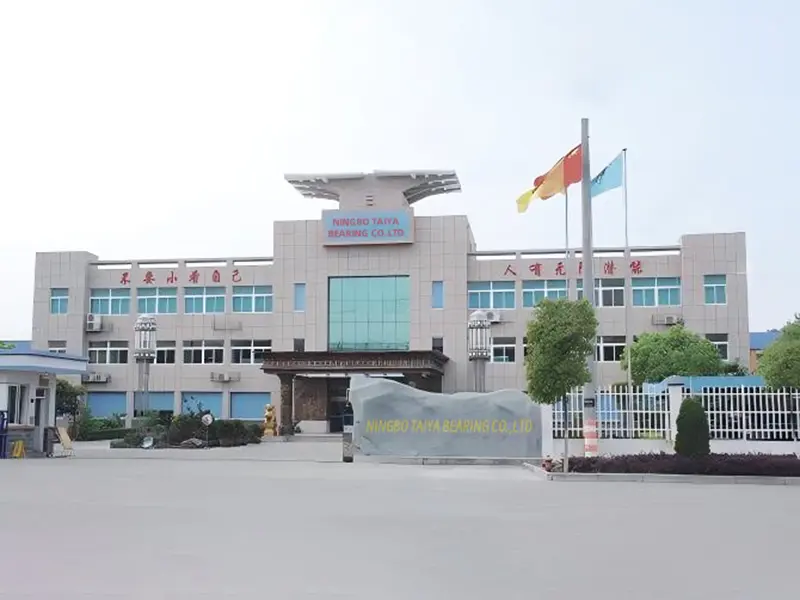
Vetor Group Company Profile

VETOR GROUP: Engineered for Excellence

Our in-house manufacturing facility specializes in the production of deep groove ball bearings and EMQ grade bearings, with inner ring dimensions ranging from 6mm to 90mm. All manufacturing processes adhere to the ISO9001 international standard, ensuring consistency, high sealing integrity, and operational silence.

We are a comprehensive foreign trade group specializing in import and export operations. Beyond precision bearings, our structural engineering team supplies a diverse portfolio of Motorcycle Parts, Auto Parts, ATVs, Dirt Bikes, Bicycles, and Related Components. This dual specialization in both individual bearings and macro-mechanical systems provides us with deep mechanical synergy and application-specific insight.
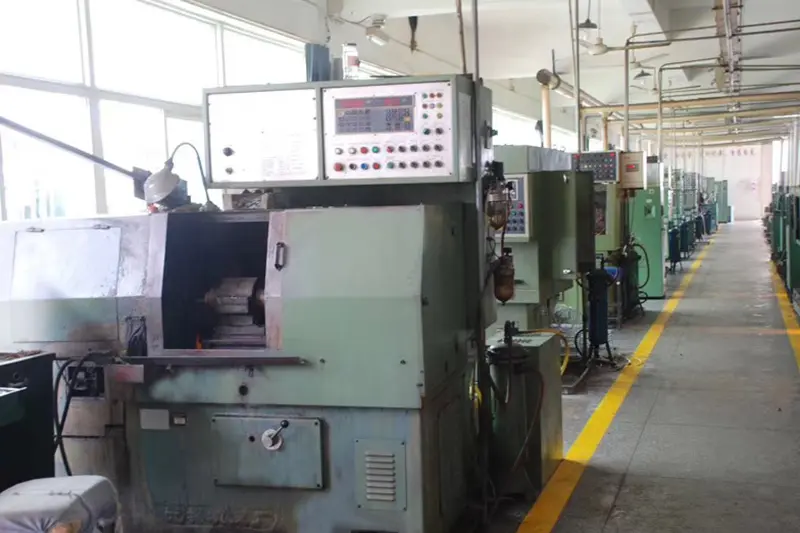
Factory Tour: Inside Our Production Facility

Production Line 1
Production Line 2
Testing Area 1
Testing Area 2
Assembly Process
Raw Material Inspection
Warehouse Facilities
Packaging Line
Full Facility Overview

Section 2: Deciphering EMQ Grade Standards for High-Efficiency Systems

Understanding vibration velocity/acceleration levels, sealing geometries, and contact mechanics.

Electric Motor Quality (EMQ) bearings represent a step-change in mechanical processing compared to standard-grade industrial bearings. While conventional bearings focus primarily on static load carrying and standard tolerances, EMQ bearings demand minimal vibration, low noise, and minimal start-up torque. At VETOR GROUP, we target specific performance metrics to achieve Z3V3 and Z4V4 classification standards.

Vibration is evaluated using state-of-the-art BVT (Bearing Vibration Tester) systems, which measure acceleration (dB) and velocity (μm/s) across low, medium, and high-frequency bands. The goal is to minimize micro-irregularities on the raceways (waviness) and ball sphericity (out-of-roundness). High-precision grinding and superfinishing operations on both the inner and outer raceways yield a surface roughness (Ra) down to 0.02 μm, dramatically mitigating friction-induced harmonics.

Why Noise and Vibration Matter: In electric motors, home appliances, and medical equipment, bearing noise indicates micro-wear. A bearing that emits a faint audible whistle or shows elevated vibration is rapidly consuming its lubricant layer, leading to micro-welding of the contact points, heat build-up, and catastrophic fatigue failure.

Low Friction Co-efficient

Through advanced race superfinishing, the friction torque is minimized, reducing heat generation and power consumption in electric motors.

Optimized Clearance & Seals

Internal radial clearances (CN, C3, C4) are customized alongside dual-lip rubber seals (2RS) or metal shields (ZZ) for ingress prevention.

Elimination of Abnormal Sounds

100% soundproof room testing isolates anomalies like cage rattle, dirt clicks, or raceway scratches before packaging.

Product Categories & Systems Engineering

Discover our core industrial product segments, manufactured under strict ISO9001 guidelines.
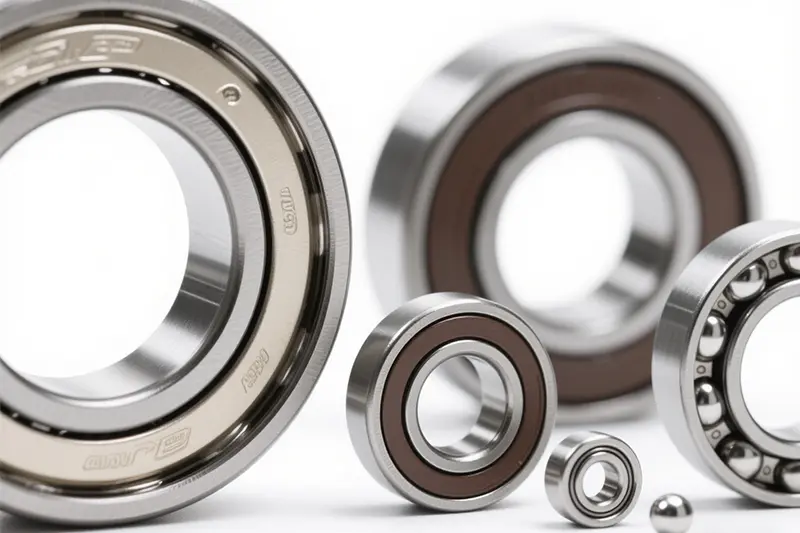
Precision Bearings

Precision Bearings

Deep groove and EMQ ball bearings (6mm-90mm) engineered for quiet running, low vibration, and extended operating lifespans.
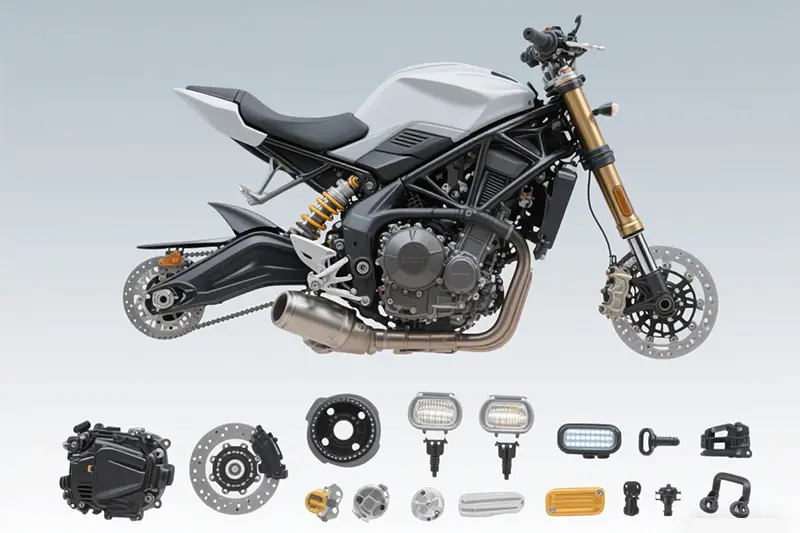
Motorcycle Parts

Motorcycle Parts

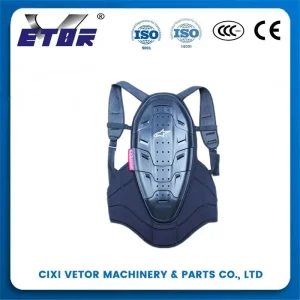
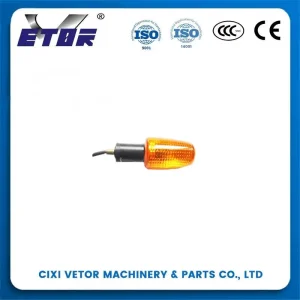
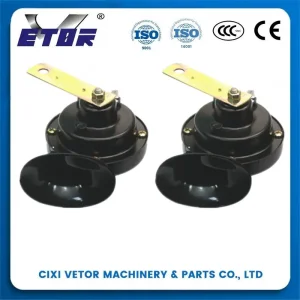
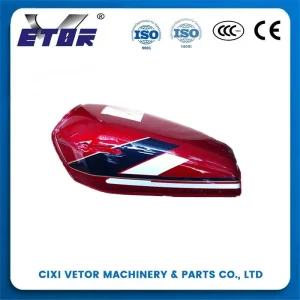
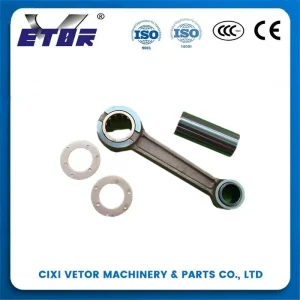
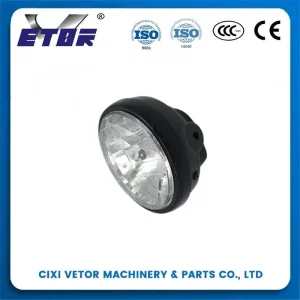
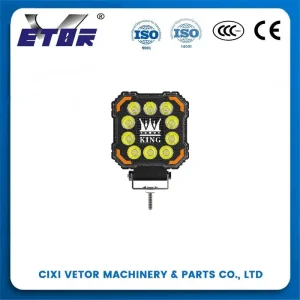
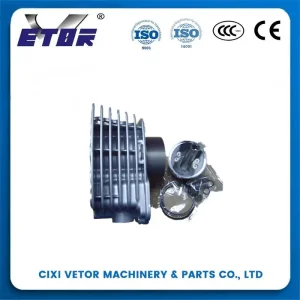
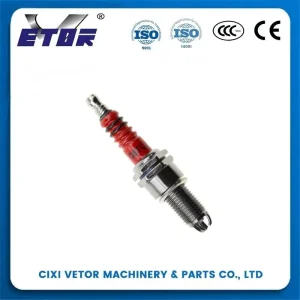
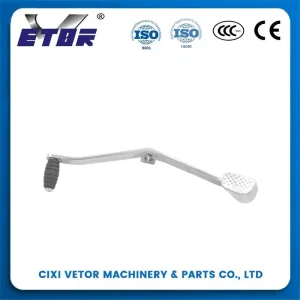
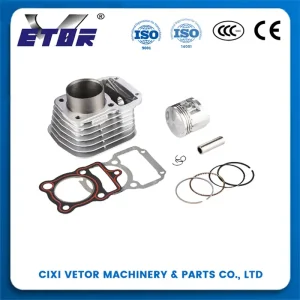
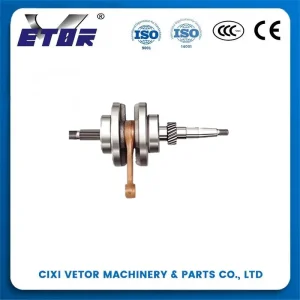
Engine connecting rods, high-capacity fuel tanks, electrical components, and heavy-duty drive systems for global markets.
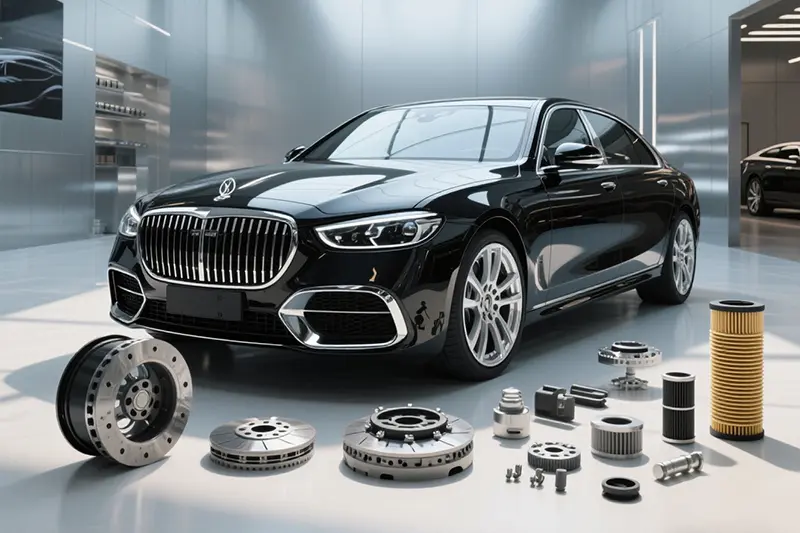
Auto Parts

Auto Parts

Chassis steering gears, engine cooling components, brake pads, and highly durable aftermarket parts.
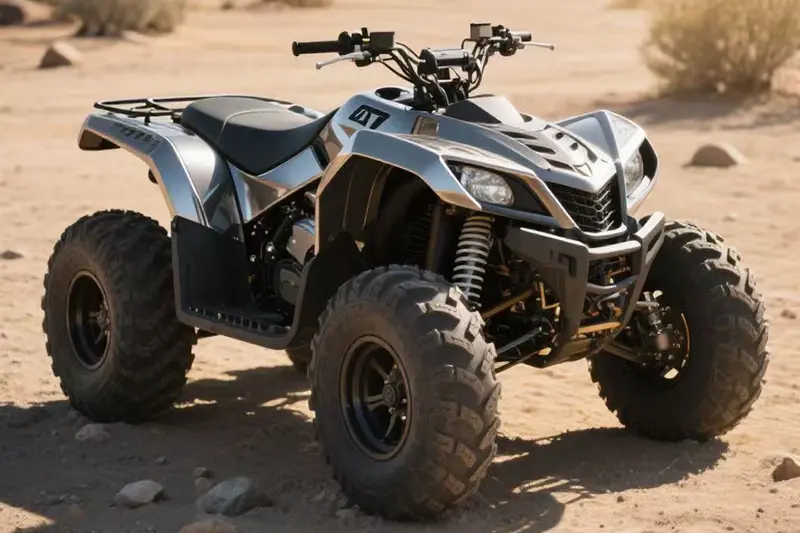
ATV & Quad Parts

ATV & Quad Components

Suspension assemblies, heavy-duty wheel axles, and rugged drive train elements built for all-terrain environments.
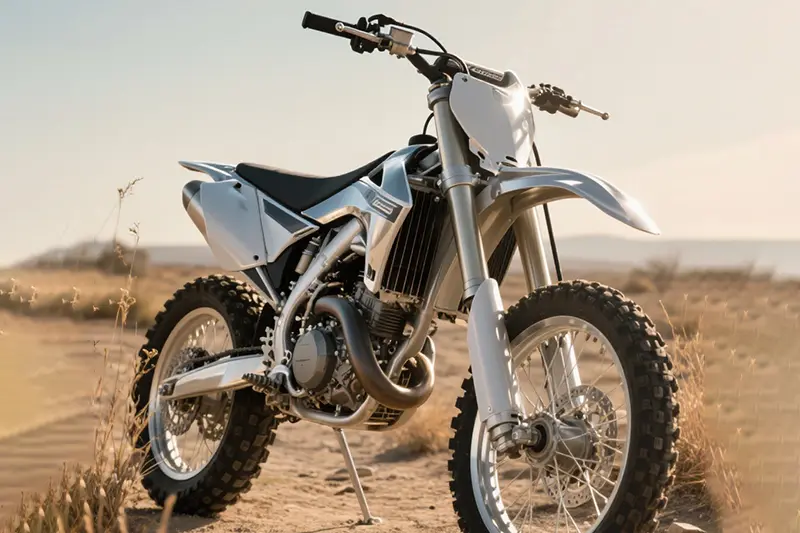
Dirt Bike Parts

Dirt Bike Components

Professional motocross suspension kits, high-performance exhaust piping, and structural frame elements.
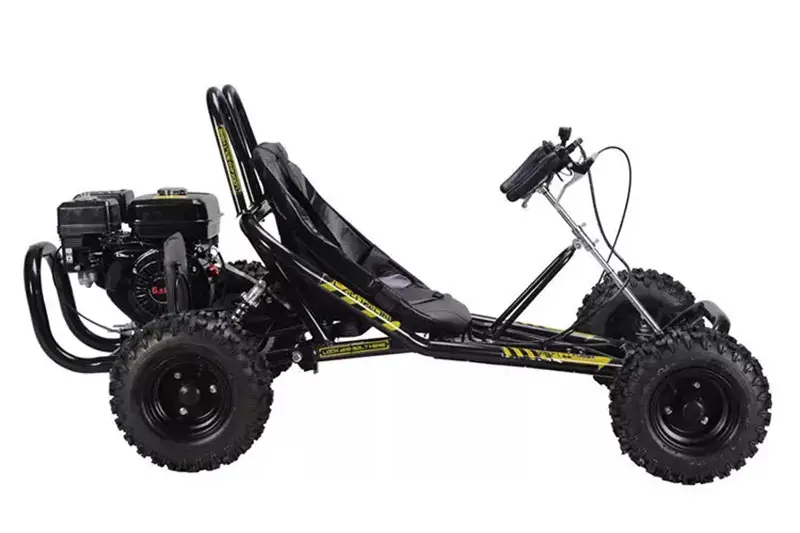
Go-Kart Components

Go-Kart Components

Precision-aligned chassis, high-friction brake systems, and sprocket drive configurations for track racing.
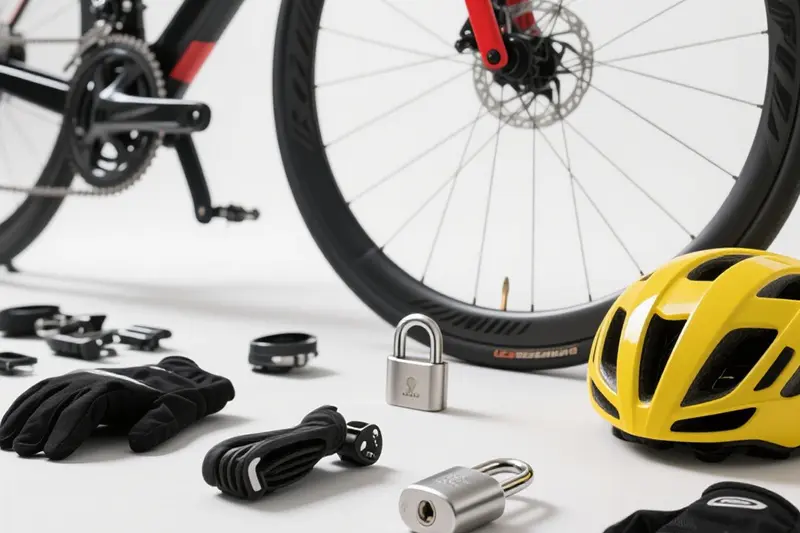
Bicycle & Parts

Bicycle & Parts

Lightweight alloy frames, structural bottom brackets, chainsets, and high-reliability hubs for commuter and competition cycling.

Section 3: Macro-Industrial Solutions & Localized Application Scenarios

How precision bearing interfaces interact with complex automotive systems, industrial robotics, and medical devices.

Bearings are not isolated elements; they are the heart of mechanical kinetics. The operational stability of a complex system depends entirely on how the bearing tolerates external thrust, radial loads, and heat dissipation. By mapping specific localized applications, we can evaluate which mechanical setups demand the highest metallurgical standards:

  • Household & Smart Appliances: In washing machines and electric fans, silence is a core product differentiator. VETOR's EMQ bearings operate below 28dB, preventing acoustic fatigue in domestic environments.
  • Micro-Motors & HVAC Systems: Ventilation systems run continuously. High-temperature specialty greases matched with our precision-ground bearings prevent grease washout and structural misalignment over multi-year cycles.
  • Medical & Surgical Equipment: High chemical cleanroom environments require AISI 316 or ceramic hybrid bearings that can tolerate autoclave sterilization cycles, aggressive chemical washdowns, and vacuum conditions without losing dimensional stability.
  • Agricultural & Outdoor Infrastructure: Exposed to dirt, fertilizer, and high-pressure water, agricultural machinery demands multi-lip rubber seals (like our 2RD/2RS configurations) to prevent particulates from damaging the bearing cage.
OEM System Integration: In motorcycle design, the crankshaft, gear lever, and shock absorbers are subject to continuous vibration. Our deep groove ball bearings are engineered to handle the shock loads transmitted from high-performance engines, ensuring that minor shaft misalignments do not translate into bearing failure.

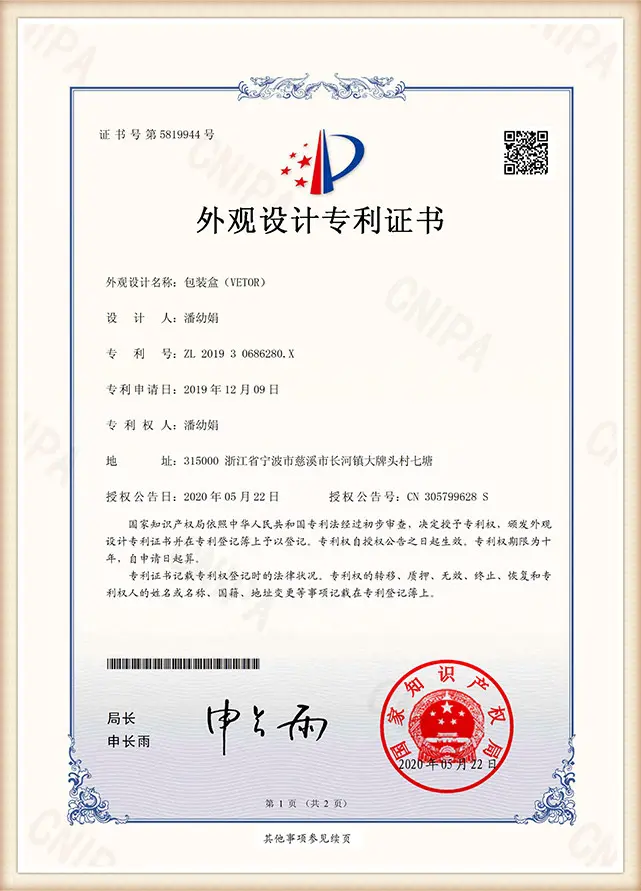
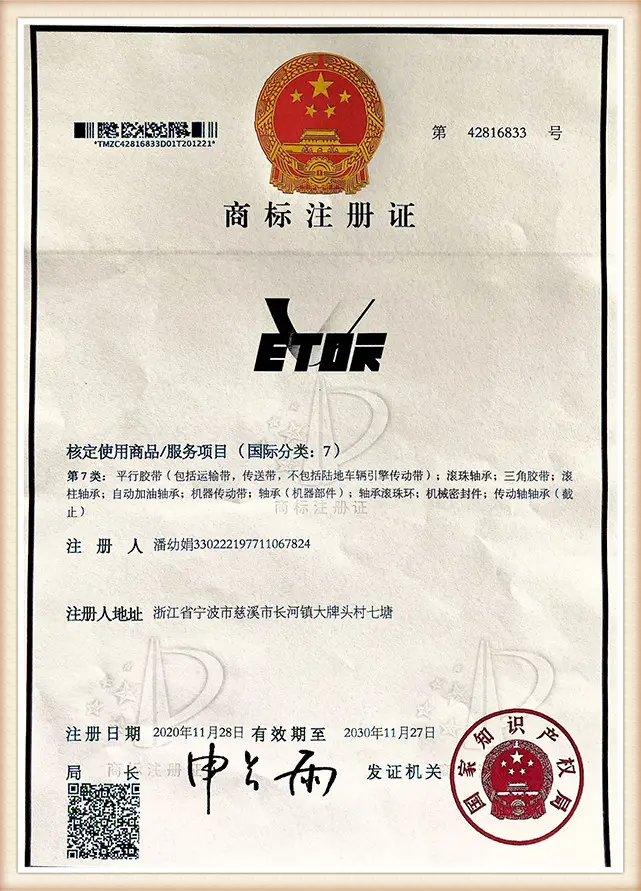
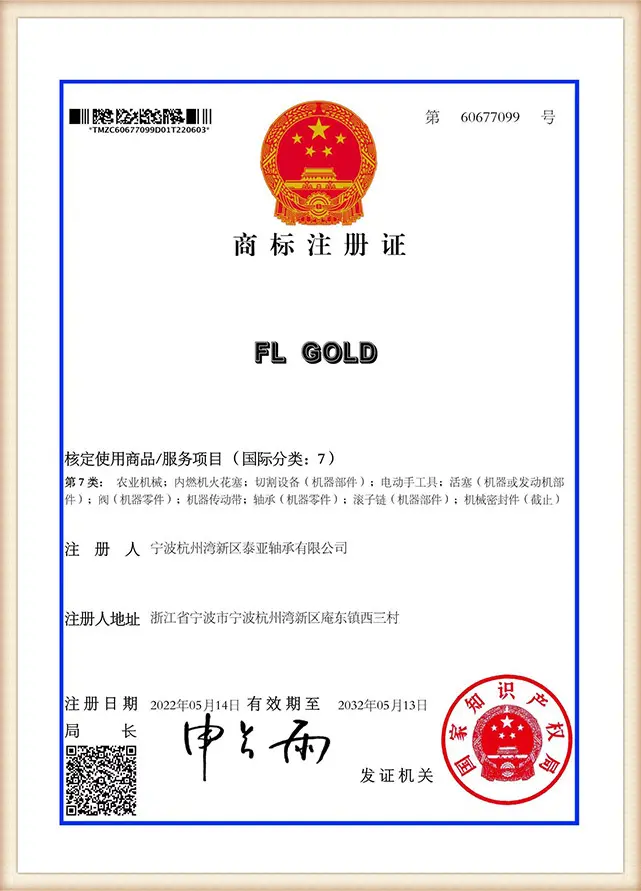
International Quality Certifications

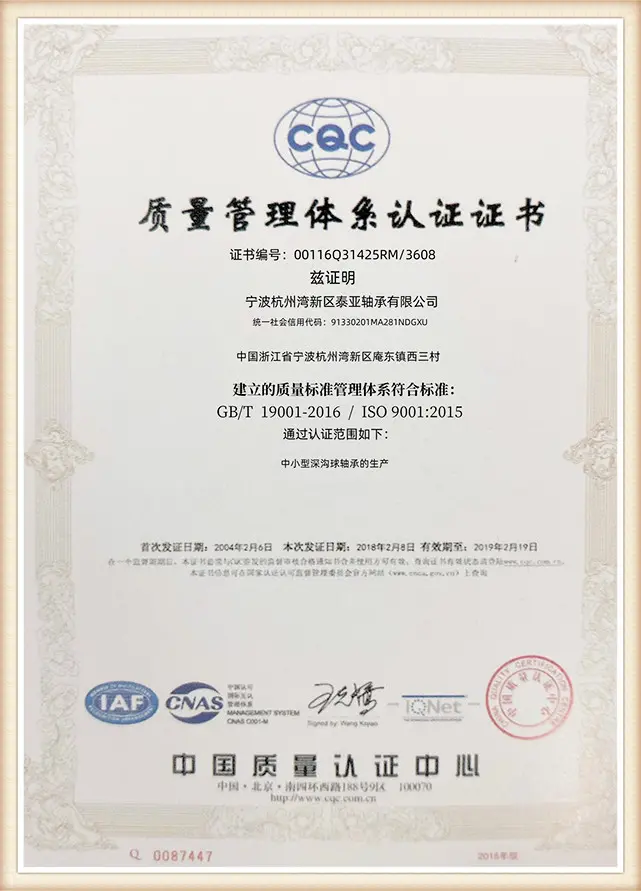
Demonstrating compliance with ISO9001 and strict international raw material validation methods.
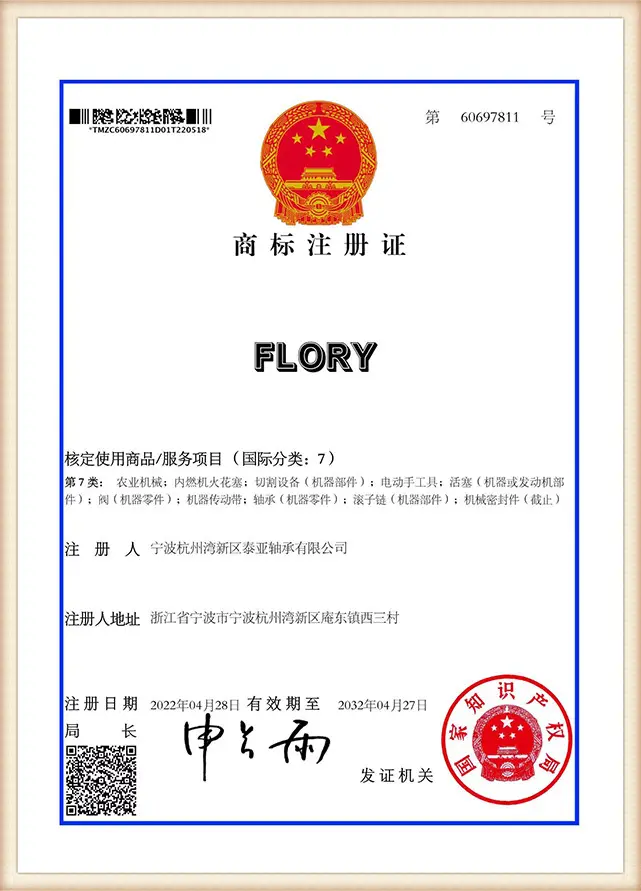
Quality Certificate 1
Quality Certificate 2
Quality Certificate 3
Quality Certificate 4
Quality Certificate 5

Section 4: Global Procurement Strategies & Strategic Supplier Evaluation

How technical buyers audit factories, balance lead times, and optimize Total Cost of Ownership (TCO).

Procurement teams sourcing stainless bearings face a volatile macroeconomic landscape. Balancing unit price against raw material authenticity, structural longevity, and shipping reliability is key to supply chain risk mitigation. VETOR GROUP’s operational infrastructure addresses these critical procurement parameters through several key structures:

  1. Raw Material Verification: We conduct spectrographic analysis on steel batches to verify chromium, carbon, and nickel percentages, preventing the substitution of cheaper low-grade alloys.
  2. Logistics Redundancy: Proximity to both Shanghai Port and Ningbo Port means that in the event of port congestion or local carrier delays, cargo can be rerouted within hours, avoiding production stops.
  3. Total Cost of Ownership (TCO): By manufacturing deep groove bearings and components in-house, we eliminate intermediate traders. This reduces procurement costs while ensuring a single point of quality responsibility.
  4. Rapid Prototyping: For custom OEM needs, we deliver sample components within 7 to 10 days, allowing engineering departments to validate fitment and tolerances before committing to bulk production.
Did you know? A major hidden cost in bearing procurement is incorrect radial play specification. Ordering a standard clearance (CN) for applications experiencing high thermal gradients can lead to premature seizure, whereas ordering a high clearance (C3) for low-speed precision applications can cause severe shaft play and excessive noise.

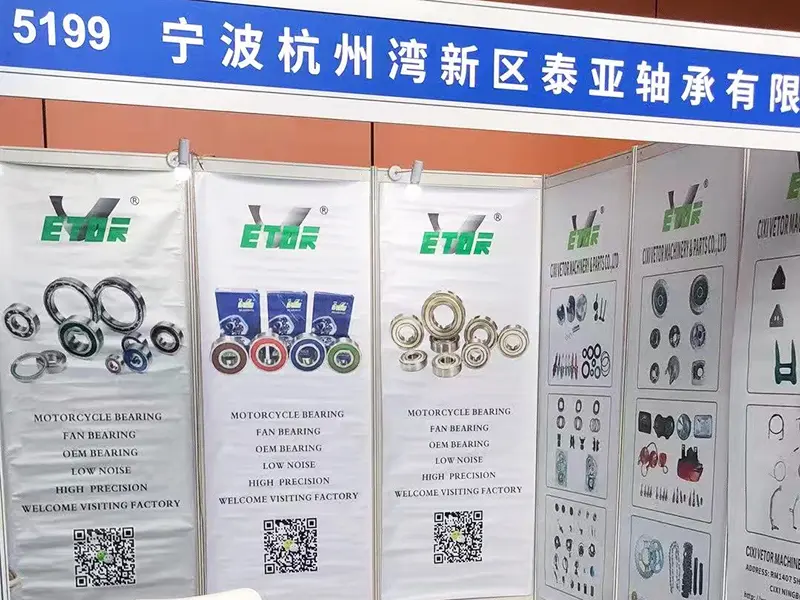
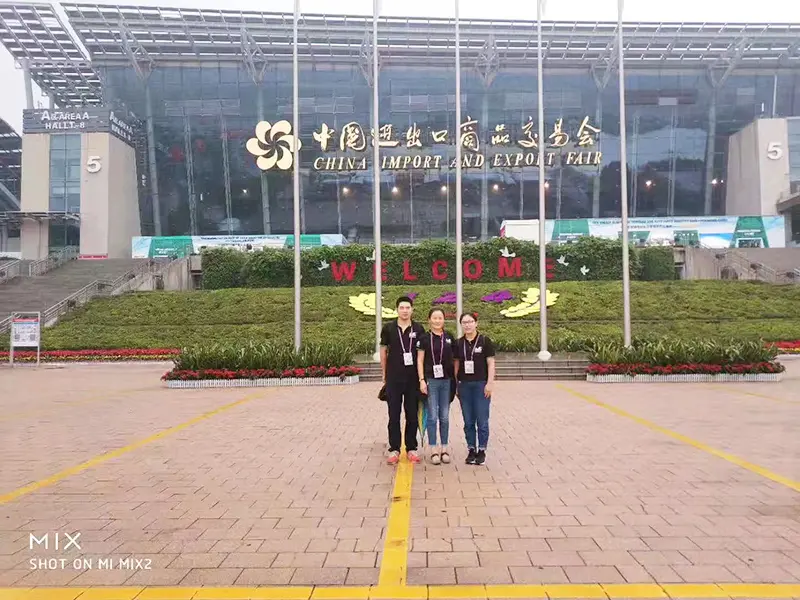
Global Customer Engagement & Exhibitions

Building long-term relationships through on-site audits and international industry showcases.
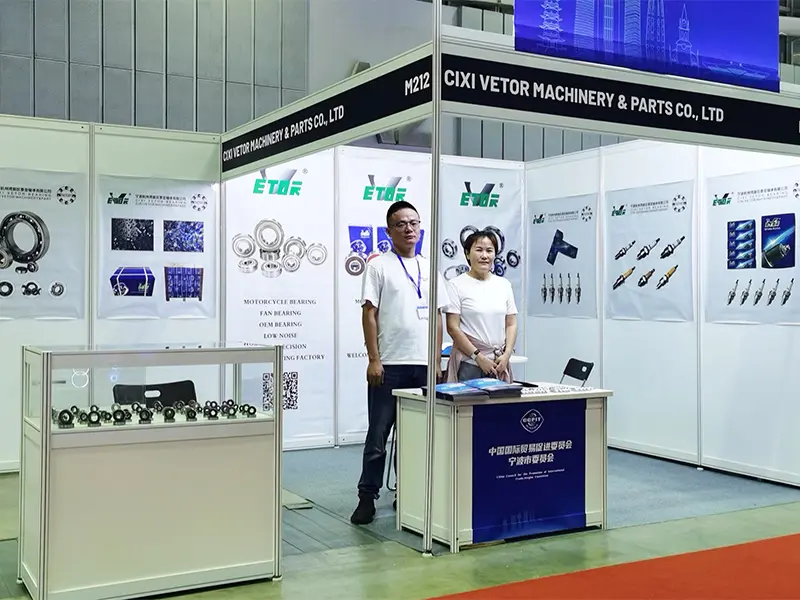
Exhibition Booth 1
Exhibition Booth 2
Exhibition Booth 3

Tailored Service Framework for Industrial Buyers

Our commitment to responsive engineering support, short production runs, and strict quality control.

Quick Response Support

Quick Technical Response

Our engineering support desk operates from 8:00 to 17:00 (GMT+8), Monday through Saturday, providing immediate technical feedback, CAD file validations, and pricing calculations.
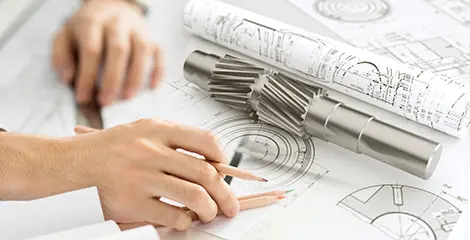
OEM Customization

Support Customization

We accommodate full OEM/ODM partnerships, modifying internal clearances, choosing custom grease types, laser-etching brand marks, and designing custom outer packaging.
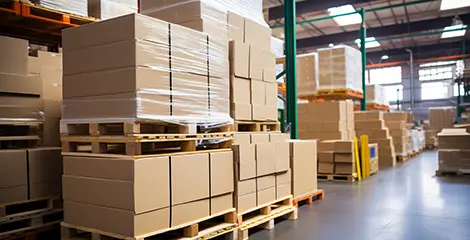
On-Time Delivery

On-Time Delivery Guarantee

Leveraging regional shipping routes and close relationships with ocean freight carriers, standard order cycles are completed within 7 to 20 days with guaranteed on-time shipping.

Technical FAQ & Troubleshooting Guide

Expert answers to the most common questions raised by mechanical engineers and procurement specialists.

Q1: What are the main differences in load capacity between AISI 440C and AISI 304 bearings?
AISI 440C is a martensitic stainless steel with high carbon content, allowing it to be heat-treated to a hardness of 58-62 HRC. This makes its dynamic load-carrying capacity almost identical to standard chrome steel (GCr15). In contrast, AISI 304 and 316 are austenitic stainless steels that cannot be hardened to high HRC levels. Their load capacity is significantly lower (often only 20-30% of 440C). They should only be used in light-load applications where superior chemical or corrosion resistance is the primary requirement.
Q2: How does VETOR GROUP test and verify the Z3V3 or Z4V4 EMQ grade standards?
Every batch of our EMQ grade bearings is subjected to 100% vibration testing using electronic velocity and acceleration instruments. In soundproof rooms, we measure high, medium, and low-frequency bands. We run automated defect-recognition software to identify cage friction, raceway waves, or micro-debris. If a bearing exceeds the noise limit, it is rejected before packaging.
Q3: What types of seals are best for harsh environmental applications?
For highly contaminated environments (e.g., dirt bikes, ATVs, agricultural machinery), we recommend dual-lip contact rubber seals (marked as 2RS or 2RD). The inner lip makes direct contact with the inner ring notch, physically blocking water, mud, and dust. For high-speed applications with clean environments, non-contact metal shields (ZZ) are preferred as they minimize friction torque and heat build-up.
Q4: Why does bearing clearance (like C3 or C4) affect bearing life?
Clearance refers to the total play between the inner ring, balls, and outer ring. In applications with high heat generation (such as motorcycle engines or high-speed spindles), the inner ring expands faster than the outer ring. Standard clearance (CN) bearings would expand to have zero play, causing excessive friction and failure. A C3 or C4 clearance provides the necessary thermal expansion room, restoring normal running clearances under operating temperatures.
Q5: Can you provide customized greases for specific temperature profiles?
Yes, grease type selection is a key customization we offer. Standard bearings use lithium-based grease rated from -20°C to +120°C. For extreme applications, we can supply synthetic greases, fluorinated greases (for vacuum/chemical environments), or high-temperature greases rated up to +250°C, ensuring optimal lubricating film retention.
Q6: What is VETOR's minimum order quantity (MOQ) and production lead time?
Our standard MOQ is 1,000 pieces for standard sizes. Standard production cycles run between 7 to 20 days depending on the volume and customization needs. For rapid prototyping of custom designs, we complete sample development within 7 to 10 days for customer testing.
Q7: How do your logistics routes reduce transit times for overseas buyers?
Our factory is situated in Cixi City, only 90 minutes away from both Ningbo Port and Shanghai Port, which are two of the largest shipping ports in China. This proximity allows us to load containers directly at our facility and transport them to the ports immediately, avoiding long inland transit fees and delays, resulting in shorter overall lead times.
Q8: How does VETOR GROUP ensure chemical traceability of steel raw materials?
We maintain strict incoming material inspection reports for every batch of raw steel wire or rod we receive. Using spectrographic analyzers, we verify that chemical elements (e.g., Carbon, Chromium, Manganese, Nickel) meet strict metallurgical specs. This ensures that the material achieves uniform hardness and fatigue resistance during heat treatment.