Discover Vetor Group's premium components manufactured under strict ISO9001 and IATF16949 parameters for global supply chains.
While disk brakes command significant share in modern passenger vehicles, the global demand for premium brake shoe sets remains remarkably strong in the commercial transport, construction machinery, off-road vehicle (ATV/UTV), agricultural, and two-wheeler segments. This persistence is due to the inherent structural advantages of drum brake systems: they offer a high self-energizing factor (servo effect), are fully enclosed against mud and dust, and serve as highly reliable mechanical parking brakes.
According to recent automotive aftermarket studies, the brake shoe market continues to grow steadily in developing countries across Africa, Latin America, and South Asia. Here, fleet operators and daily commuters rely heavily on light commercial trucks, motorbikes, and robust utility vehicles. Meanwhile, strict environmental regulations in North America and the European Union have prompted a massive technological shift. High-end manufacturers must now formulate friction materials free of asbestos, lead, and high levels of copper. This shift is crucial for preserving aquatic habitats and meeting the requirements of the 2025 Copper-Free Brake Initiative.
The safety and reliability of a brake shoe set depend on the chemical engineering of its friction lining. We analyze the three primary structural choices available in industrial configurations:
Engineered with 30% to 65% metal content (steel wool, copper fibers, iron powder) combined with organic binders. Designed for heavy-duty commercial machinery and utility vehicles, these pads offer excellent heat transfer and exceptional resistance to thermal fade at high speeds.
Constructed from synthetic resins, glass fibers, aramid fibers (Kevlar), and carbon compounds. NAO formulations provide a quiet ride with virtually no NVH (Noise, Vibration, and Harshness) issues. They are gentle on drum rotors and produce minimal dust, making them ideal for urban motorbikes and passenger cars.
Formulated using high-density ceramic fibers combined with non-ferrous metals. These materials provide outstanding thermal stability, keeping friction levels stable even at operating temperatures over 500°C. They are premium solutions for high-performance off-road and sports applications.
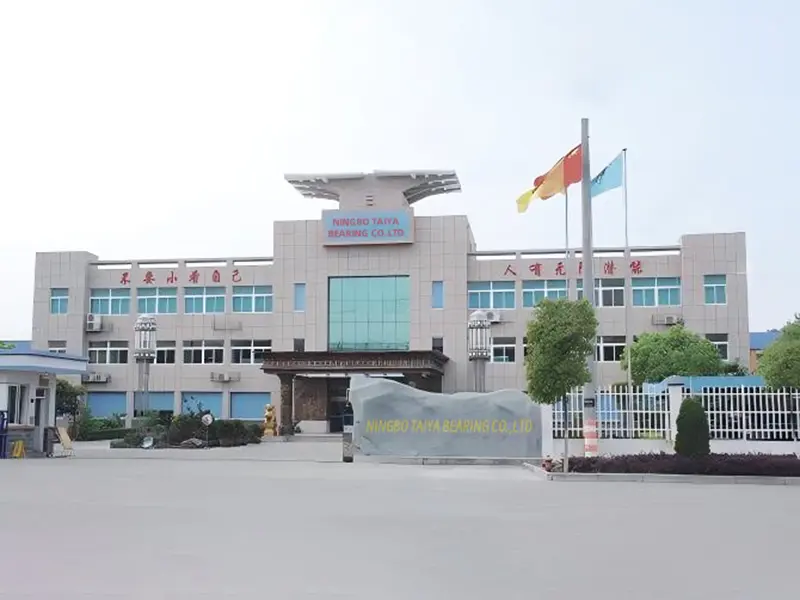
Founded in 2005, Vetor Group operates out of Cixi City, China, bridging advanced manufacturing with seamless international logistics.
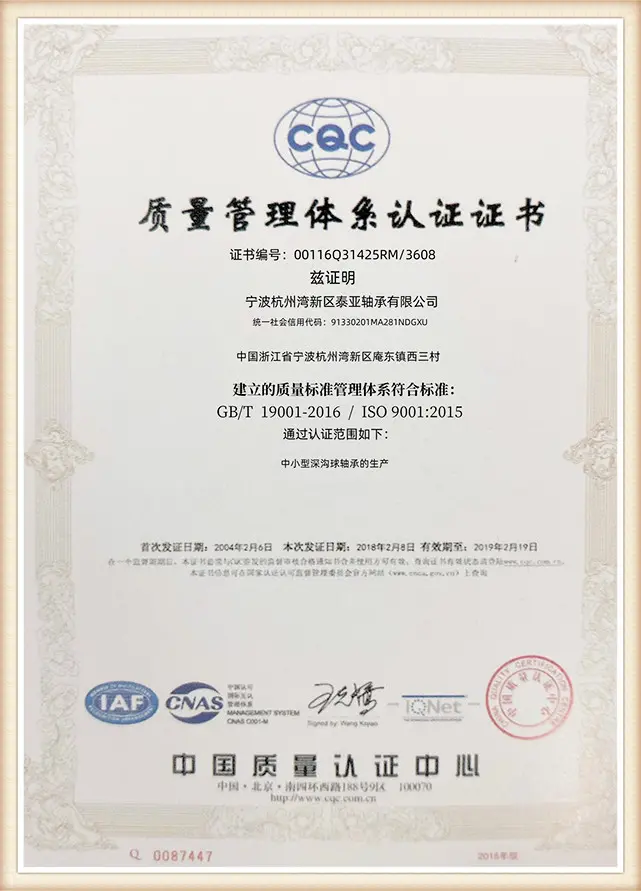
Positioned within the vibrant economic zone of Hangzhou Bay, VETOR GROUP benefits from close proximity to two of the busiest shipping hubs in the world: the Shanghai Port and Ningbo Port. Supported by nearby regional airports—Hangzhou Xiaoshan and Ningbo Lishe—our logistics network ensures that heavy industrial orders reach our clients with minimal lead times. We are an ISO9001-certified organization offering comprehensive design, engineering, validation, and export services across motorcycle components, auto parts, ATVs, dirt bikes, and specialty bearings.
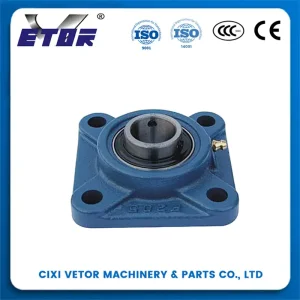
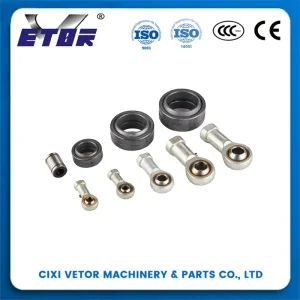
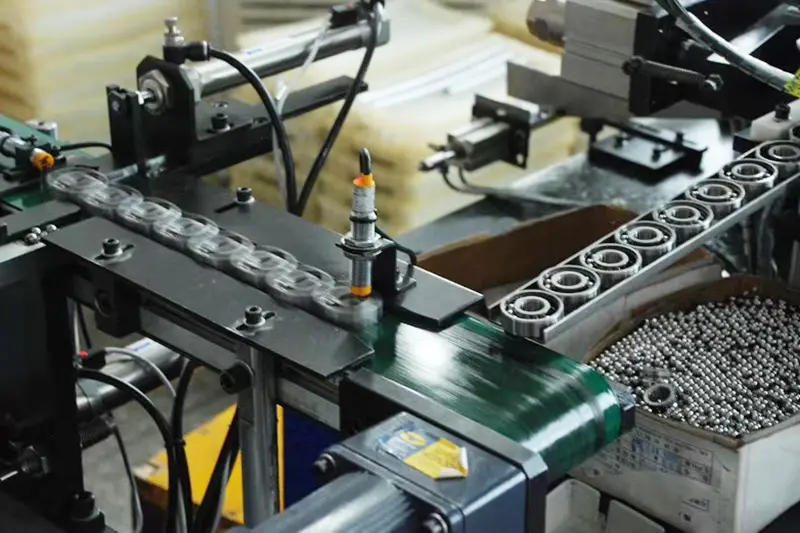
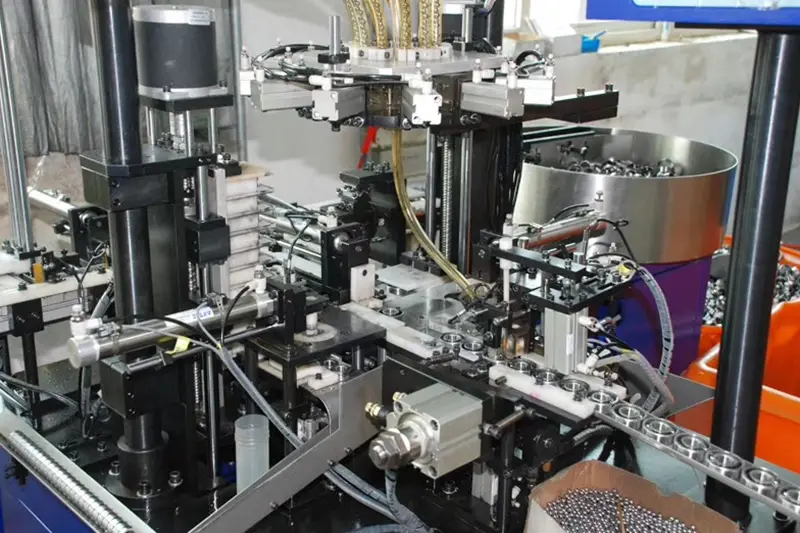
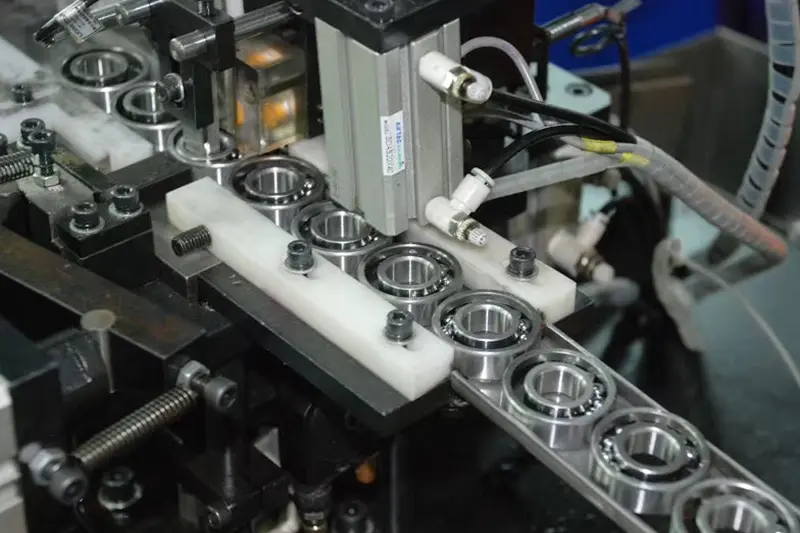
Through our dedicated in-house facilities, we manufacture deep groove ball bearings and Electric Motor Quality (EMQ) bearings with inner ring dimensions spanning 6mm to 90mm. Because bearings and rotating brake mounts work closely together, our engineering team designs these components to operate in harmony. This results in minimal noise, lower vibration, and reduced drag.
Size Envelope
Electric Motor Quality
Process Standard
Export Countries
Vetor Group provides precision-manufactured parts to automotive and motorsports markets worldwide.
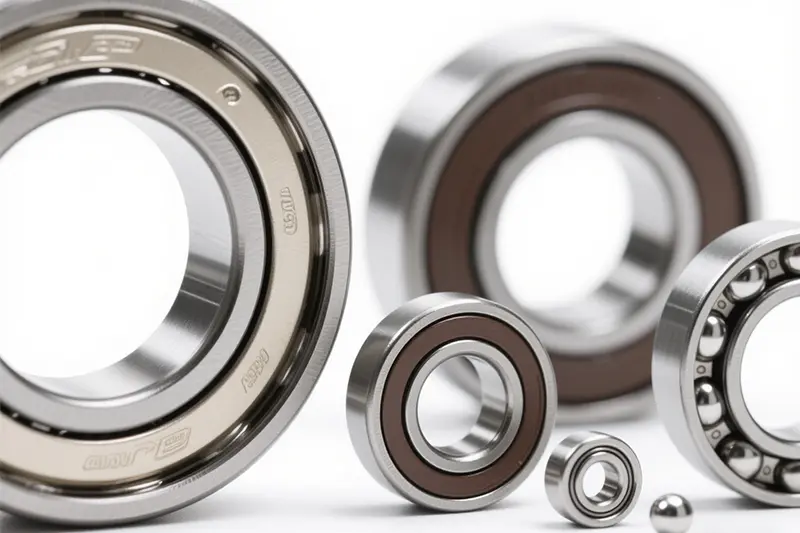
EMQ grade deep groove ball bearings and precision industrial solutions.
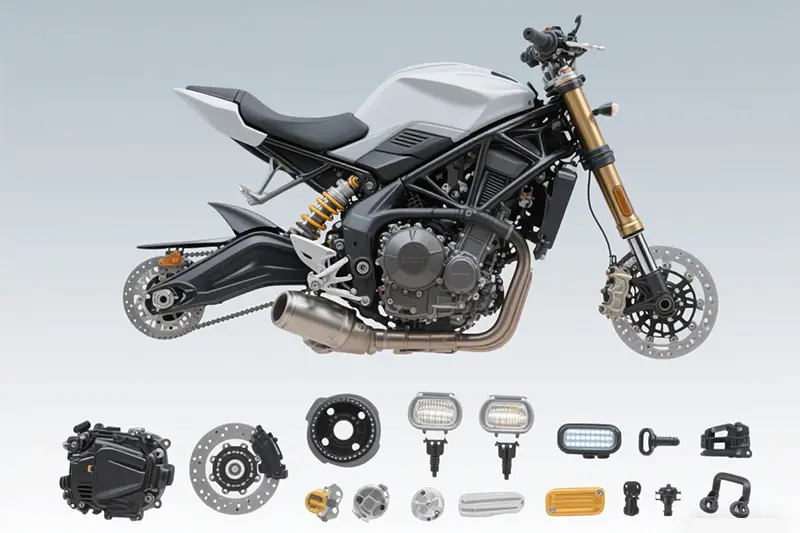
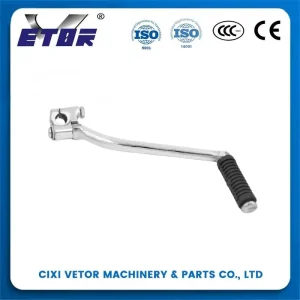
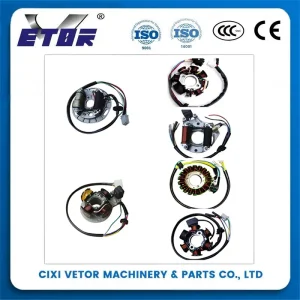
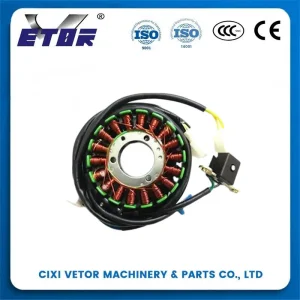
High-grade chain drives, ignition coils, speedometers, and brake components.
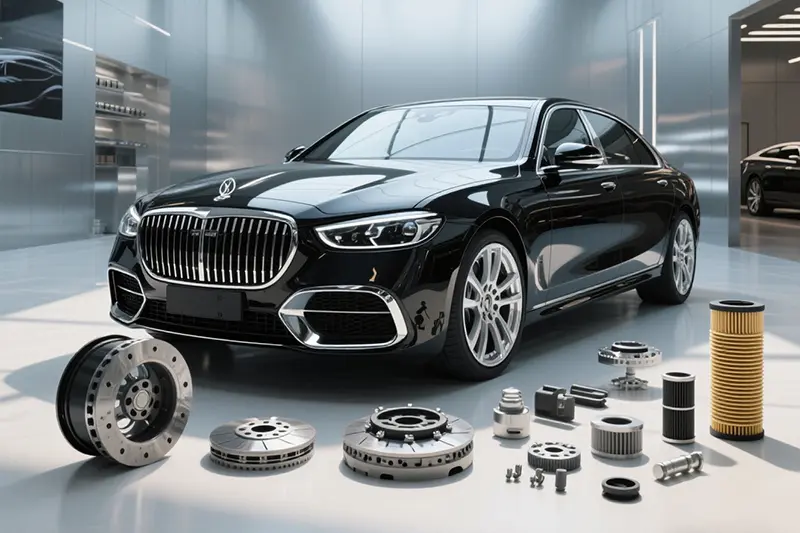
OEM-equivalent components, steering racks, cooling parts, and chassis mounts.
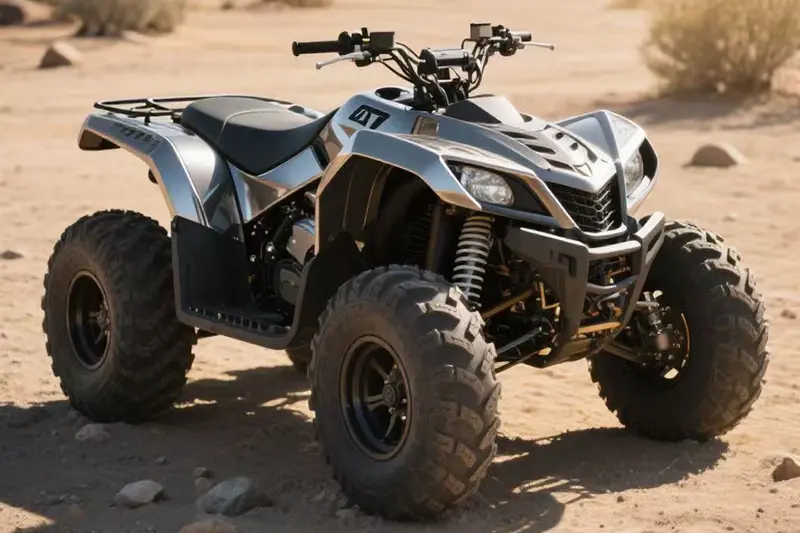
Heavy-duty driveshafts, rugged steering knuckles, and durable suspension kits.
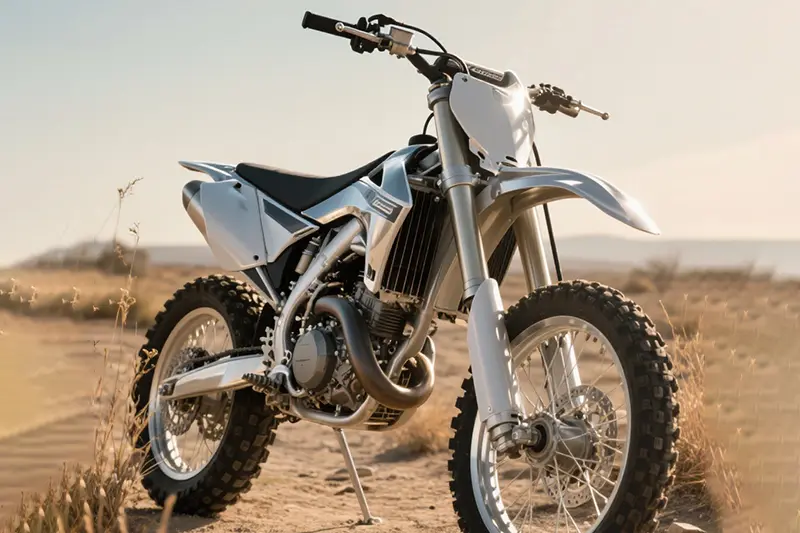
Competition-grade sprockets, reinforced engine gaskets, and exhaust systems.
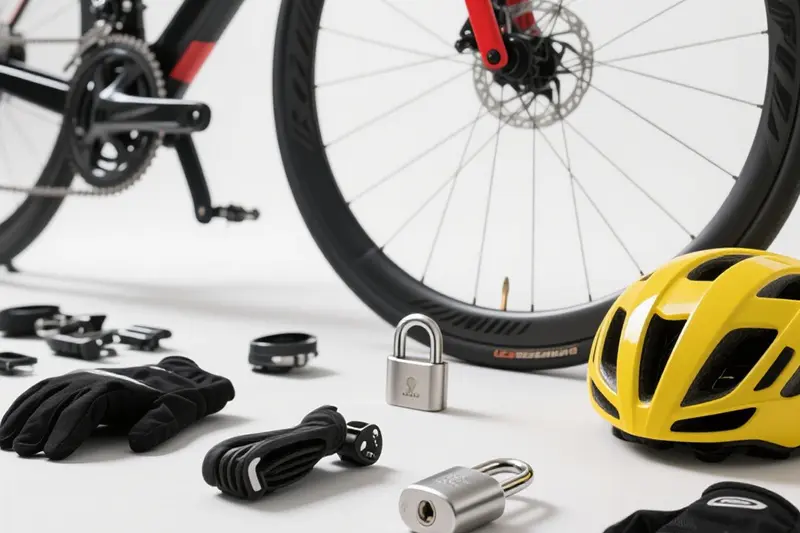
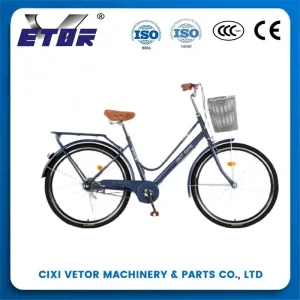
Premium frames, lightweight wheelsets, and responsive braking levers.
Behind every high-performance brake shoe lining lies the steel backing plate. Under heavy loads, flexing of the backing plate is a major cause of spongy brake levers, uneven friction wear, and dangerous system failure. Vetor Group addresses this through optimized backing plate geometry:
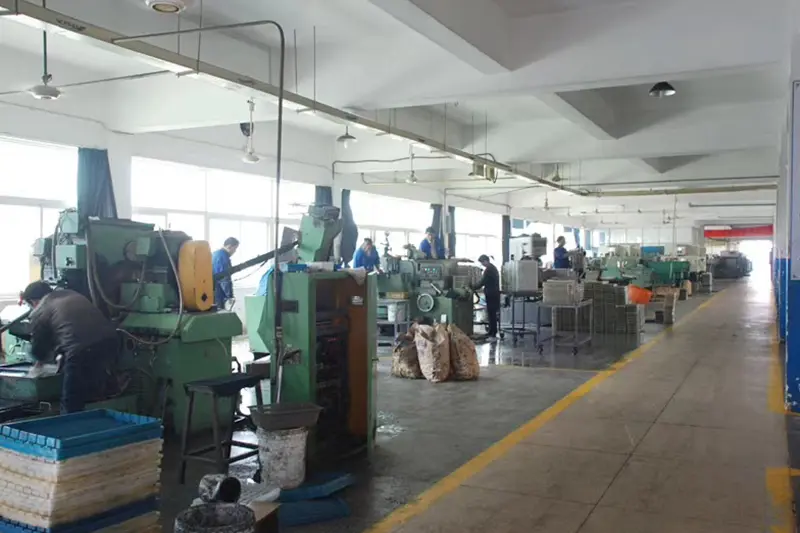
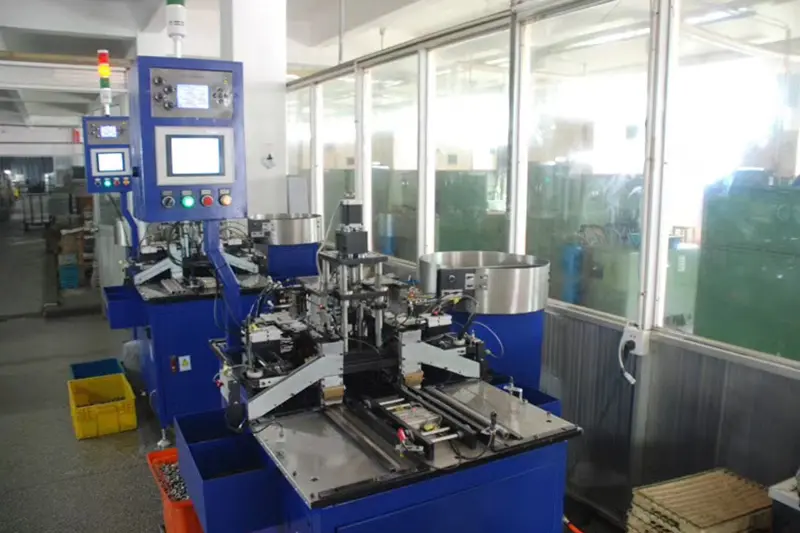
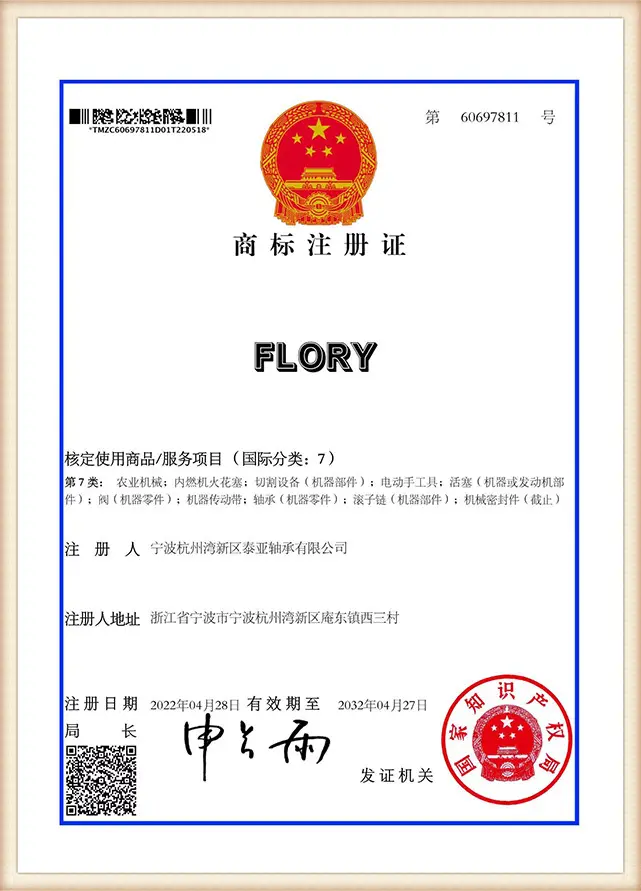
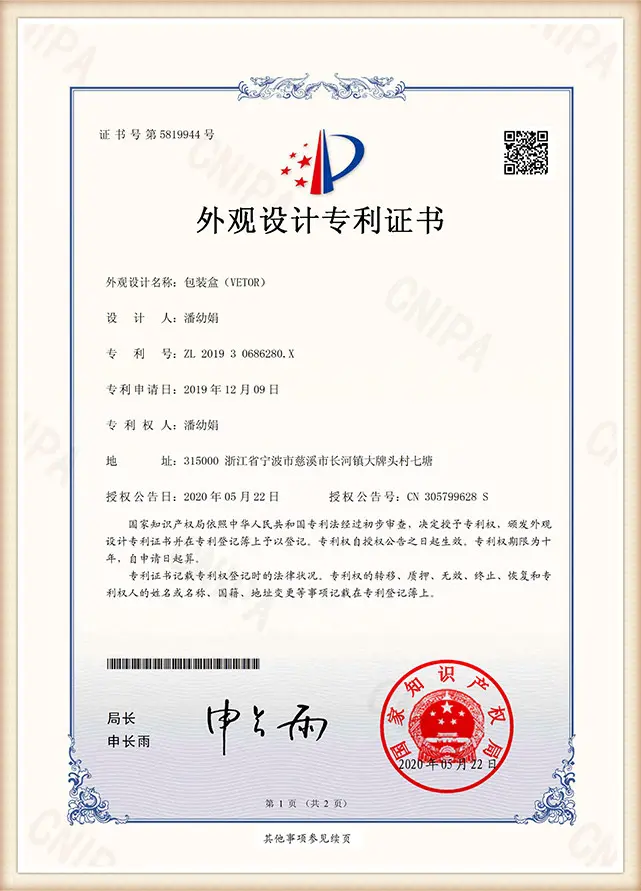
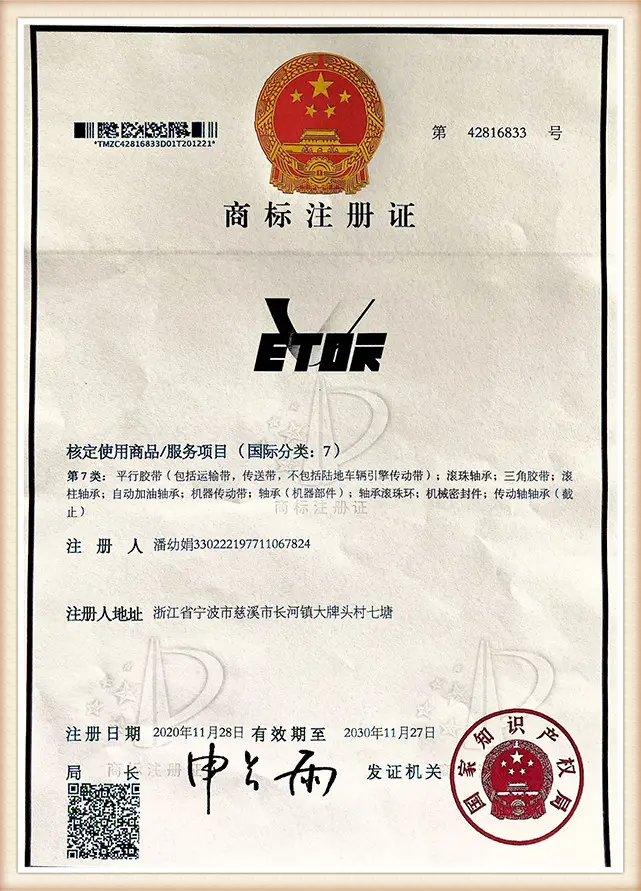
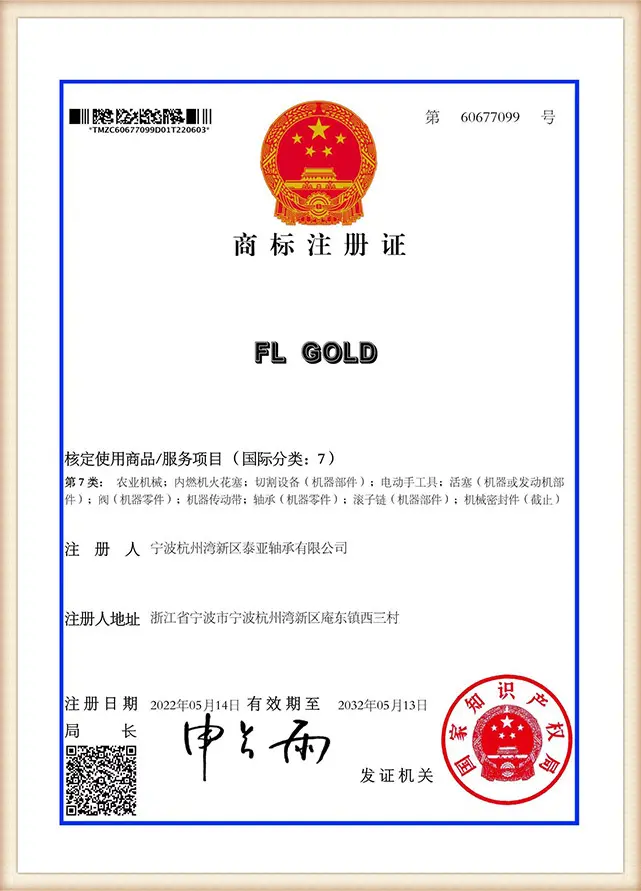
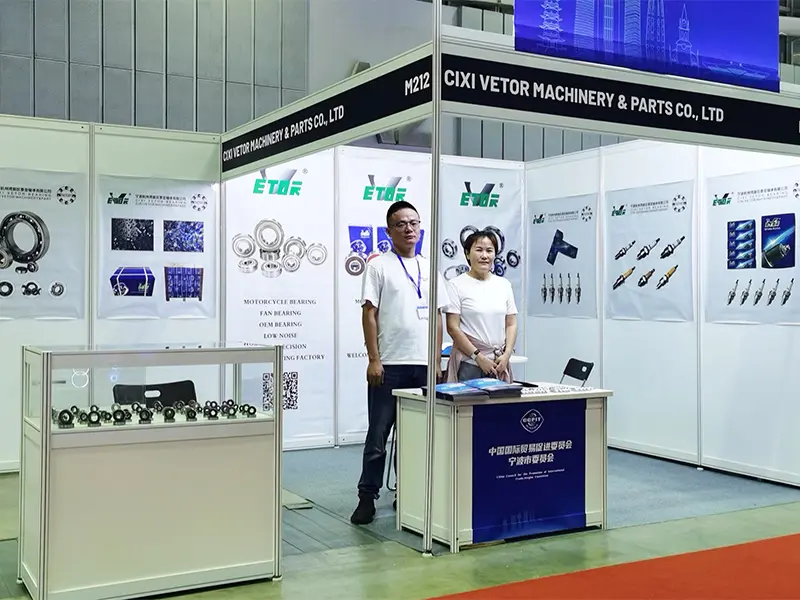
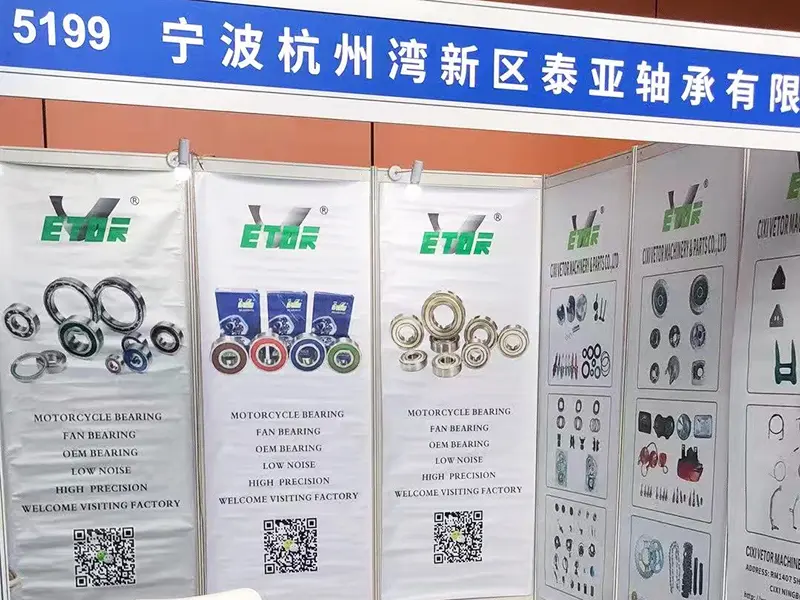
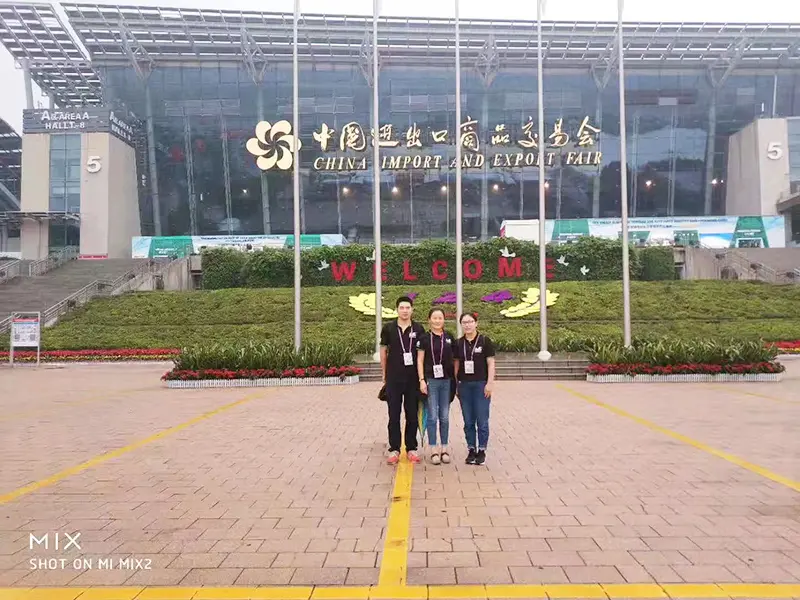
Vetor Group's advanced production floor, strict quality inspections, and international certifications guarantee product consistency.
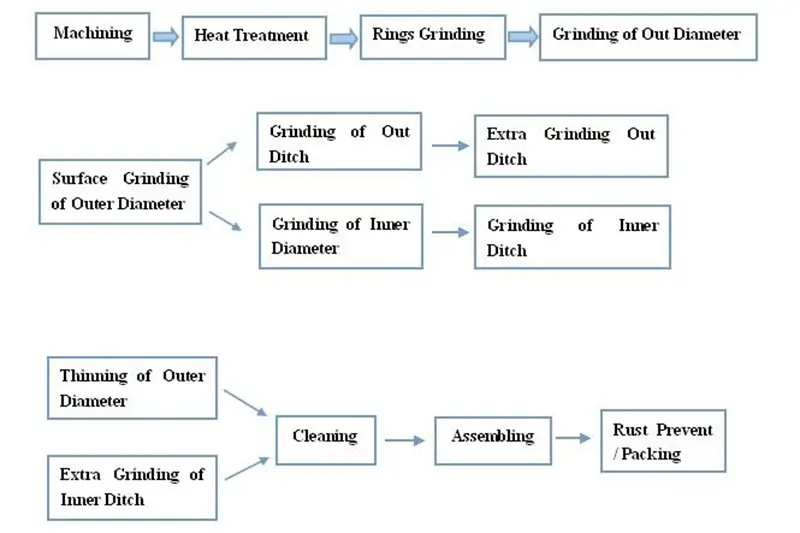
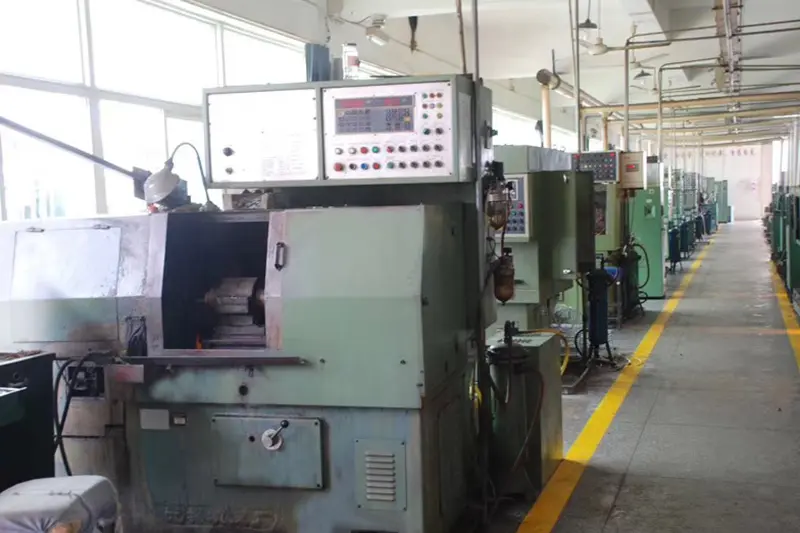
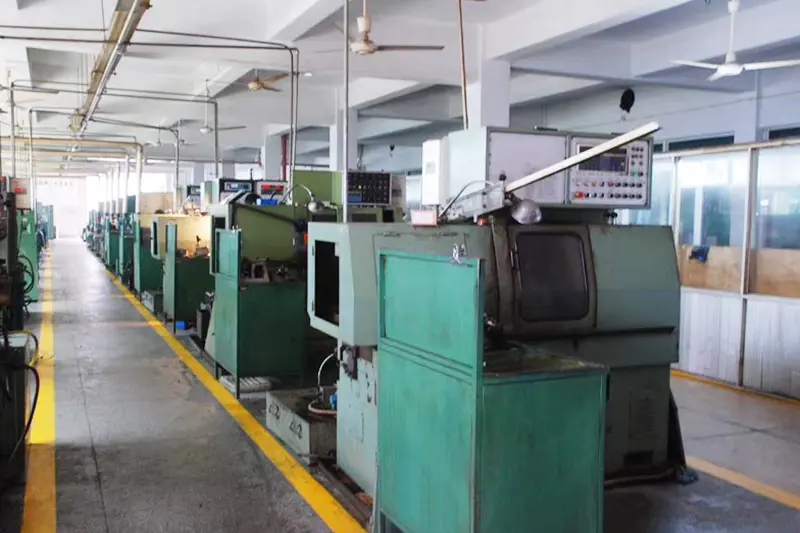
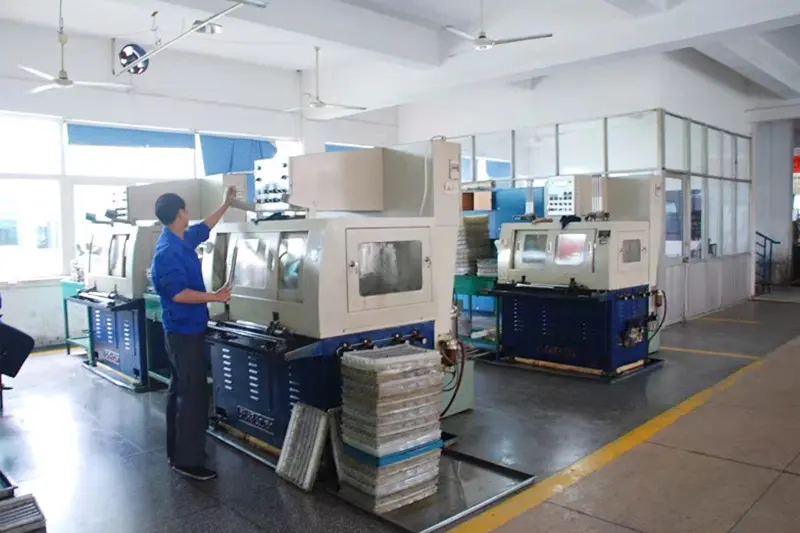
Vetor Group streamlines procurement for Tier-1 automotive brands, components distributors, and motorcycle manufacturers.

Our dedicated technical sales team is on standby from 8:00 to 17:00 (GMT+8), Monday through Saturday, to handle technical drawings, custom friction compound inquiries, and RFQs.
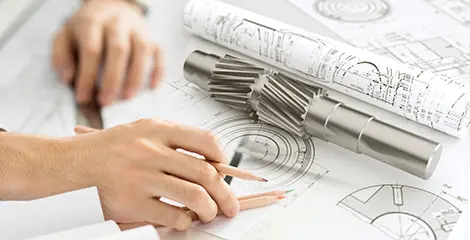
We offer fully customized OEM brake shoe designs, private labeling, custom backing plate modifications, and tailored friction materials to meet regional safety regulations.
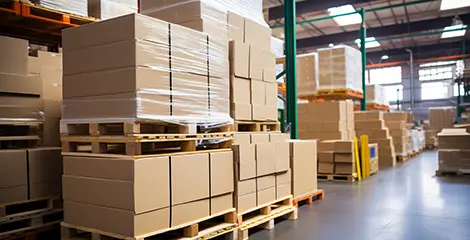
Using our close proximity to Shanghai and Ningbo ports, we coordinate high-volume freight shipping to over 30 countries under strict contract timelines.
Under heavy braking, friction generates temperatures up to 400°C within the drum. Standard brake linings can experience thermal crystallization, losing up to 40% of their friction coefficient. Vetor Group prevents this by incorporating high-temperature curing agents into our manufacturing process:
Every batch of our brake shoe sets undergoes Link dynamometer simulation testing and Chase testing to monitor the coefficient of friction under varying temperatures. We maintain a target rating of FF or GG (equivalent to friction coefficients of 0.35 to 0.45). This stable performance ensures predictable braking distances, whether the vehicle is starting cold or handling heavy stop-and-go delivery routes.
Additionally, we use high-tonnage hydraulic stamping press lines to form the steel backings, preventing microscopic cracks or stress points. This meticulous manufacturing process ensures that Vetor Group components deliver reliable performance in critical braking situations.
Answers to technical and commercial questions frequently asked by procurement managers and design engineers.
Bonded brake shoes use high-performance structural adhesives cured under heat and pressure to attach the lining to the backing plate. This design maximizes contact area, eliminates potential stress spots around rivets, and allows the lining to wear down thinner without scratching the brake drum. Riveted brake shoes use copper or aluminum rivets to secure the lining. These are favored in extremely heavy industrial machinery, go-karts, and older utility trucks because they offer high physical shear resistance under extreme thermal stress.
Our formulation incorporates structural dampers, carbon fibers, and organic resins that naturally absorb high-frequency vibrations. Additionally, our backing plates are stamped to exact OEM-equivalent geometries, preventing the slight movement inside the drum assembly that often causes squealing and chatter during low-speed braking.
As brakes wear down, they release fine dust. Copper dust washed from roads into watersheds is highly toxic to fish and other aquatic organisms. Modern environmental regulations (such as California and Washington SB 346/HB 2018) require brake manufacturers to reduce copper content to less than 0.5% by weight. Vetor Group offers specialized copper-free and low-copper formulations that meet these requirements without sacrificing stopping power or thermal durability.
For standard components and bearings, our minimum order quantity starts as low as 1,000 units per line. For custom motorcycle parts, auto parts, or customized brake shoes, sample development is completed within 7 to 10 working days, and bulk manufacturing timelines range between 7 and 20 days depending on production volume.
Explore our wider catalog of automotive components, structural bearings, and utility vehicle parts.
 VETOR GROUP