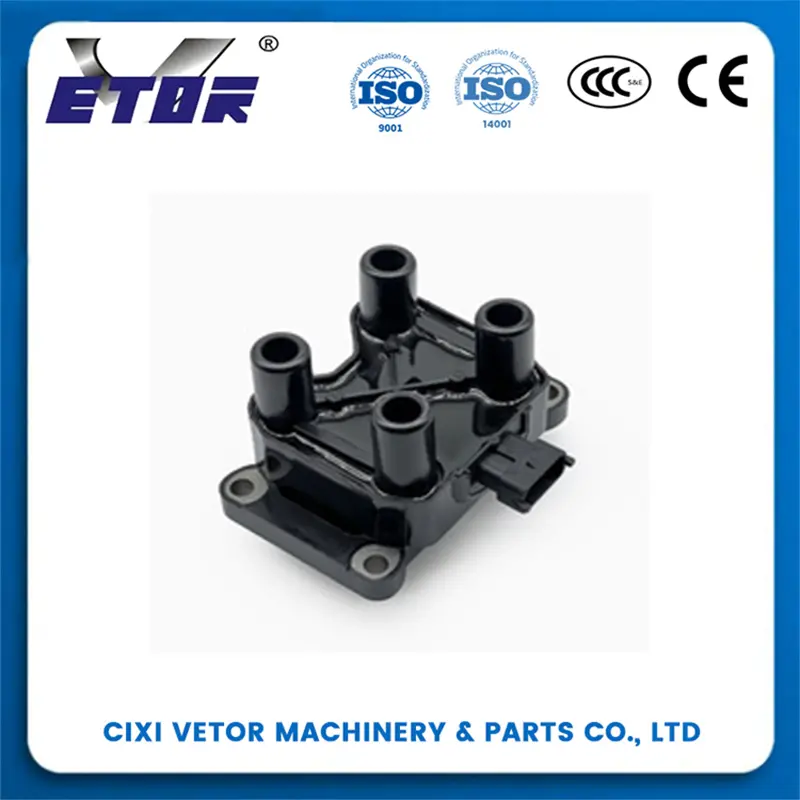
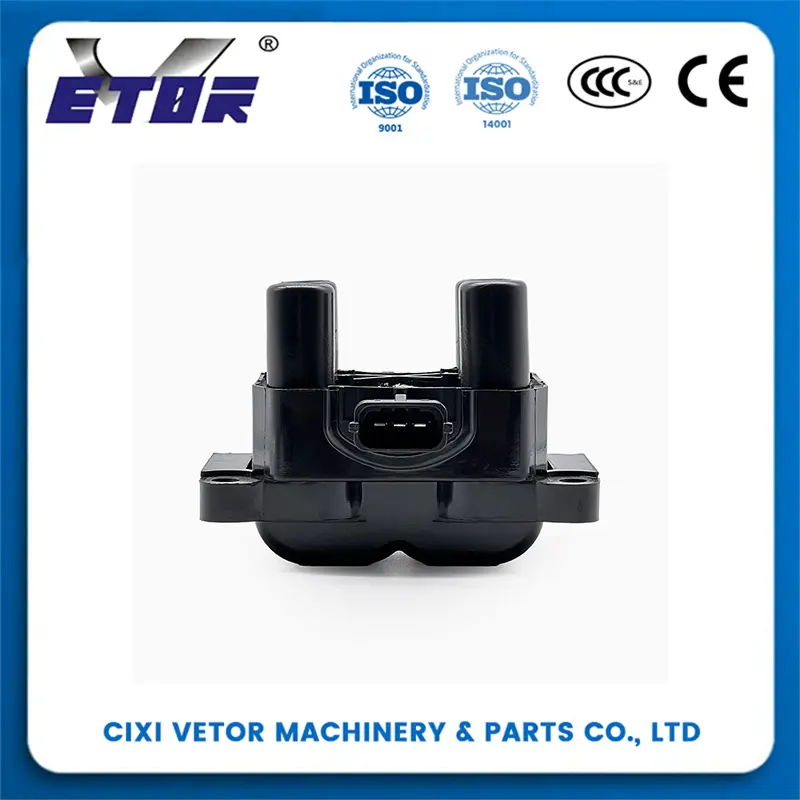
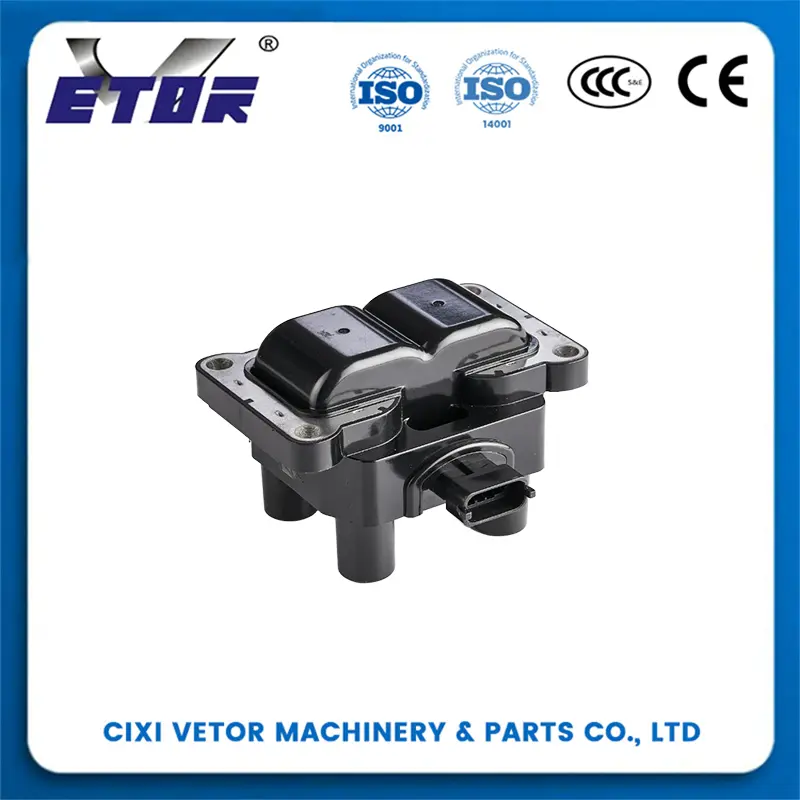
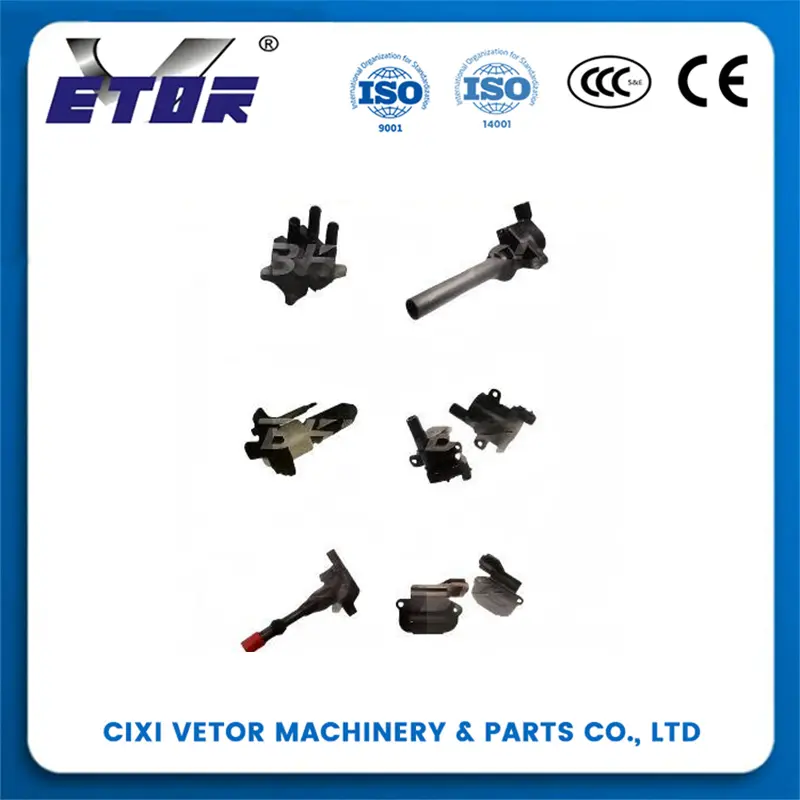
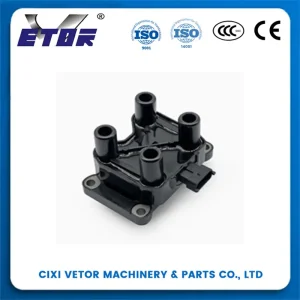
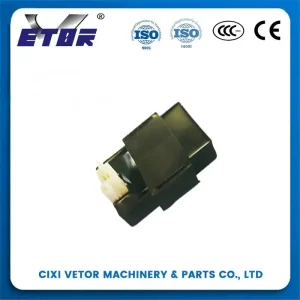
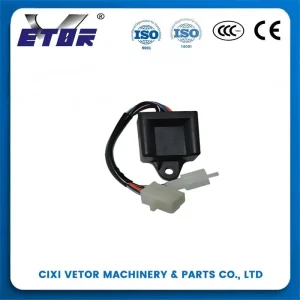
An automotive ignition coil is an electromagnetic induction device core to the engine ignition system. It converts the low-voltage (12V) direct current from the car battery into the high-voltage (20,000-40,000V) current needed to ignite the air-fuel mixture in the combustion chamber, ensuring efficient engine operation.
Ignition Coil Feature
1. High Voltage Conversion Capability: It can reliably convert the low-voltage DC (typically 12V) from the car battery into high-voltage electricity (20,000-40,000V) required to ignite the air-fuel mixture in the engine's combustion chamber.
2. Rapid Response Performance: It can quickly complete charging and discharging processes to match the high-speed operating cycles of the engine, ensuring timely ignition at each cylinder's compression stroke.
3. Strong Environmental Durability: It is designed to resist high temperatures from the engine, frequent vibrations during vehicle operation, and electrical stress, maintaining stable performance in harsh working conditions.
4. Precise Ignition Control: It works with the engine control unit (ECU) to accurately adjust the ignition timing and spark intensity, optimizing fuel combustion efficiency and reducing exhaust emissions.
5. Compact and Lightweight Design: Its small size and light weight allow easy installation in the limited engine compartment space, while also helping to reduce the overall weight of the vehicle's ignition system.
Ignition Coil Application
1. Gasoline-powered passenger cars: Powers spark plugs to ignite fuel, enabling smooth startup and running.
5. Performance vehicles: High-performance coils support increased engine power by enhancing spark intensity and timing accuracy.
Frequently Asked Questions
Q1: What is the main function of an automotive ignition coil?
A1: The ignition coil acts as an electromagnetic induction device that converts low-voltage (12V) current from the car battery into high-voltage (20,000-40,000V) current needed to ignite the air-fuel mixture, ensuring proper combustion.
Q2: How does the ignition coil handle high engine speeds?
A2: High-quality ignition coils feature rapid response performance. They complete charging and discharging processes exceptionally fast to match the high-speed operating cycles of the engine for timely cylinder ignition.
Q3: Are ignition coils designed to withstand extreme engine temperatures?
A3: Yes. Modern ignition coils are built with high environmental durability to resist extreme engine temperatures, persistent physical vibrations, and continuous electrical stress under harsh conditions.
Q4: In what types of vehicles are these ignition coils applied?
A4: They are widely applied in gasoline-powered passenger cars, light commercial vehicles (vans, pickup trucks), motorcycles, marine gasoline engines, and high-performance racing vehicles.
Q5: How does the ignition coil improve fuel efficiency?
A5: By coordinating with the Engine Control Unit (ECU) to maintain precise ignition timing and spark intensity, the ignition coil ensures optimal fuel combustion and helps reduce emissions.
Q6: Can these ignition coils be installed in tight engine compartments?
A6: Yes, they feature a compact and lightweight design, making them easy to install in limited space while helping reduce the overall weight of the vehicle's ignition system.
 VETOR GROUP