 VETOR GROUP
1 / 2
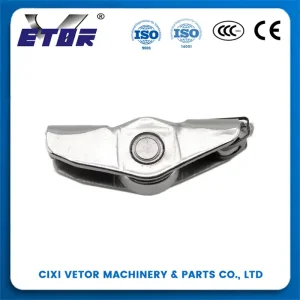
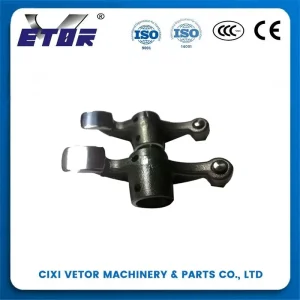
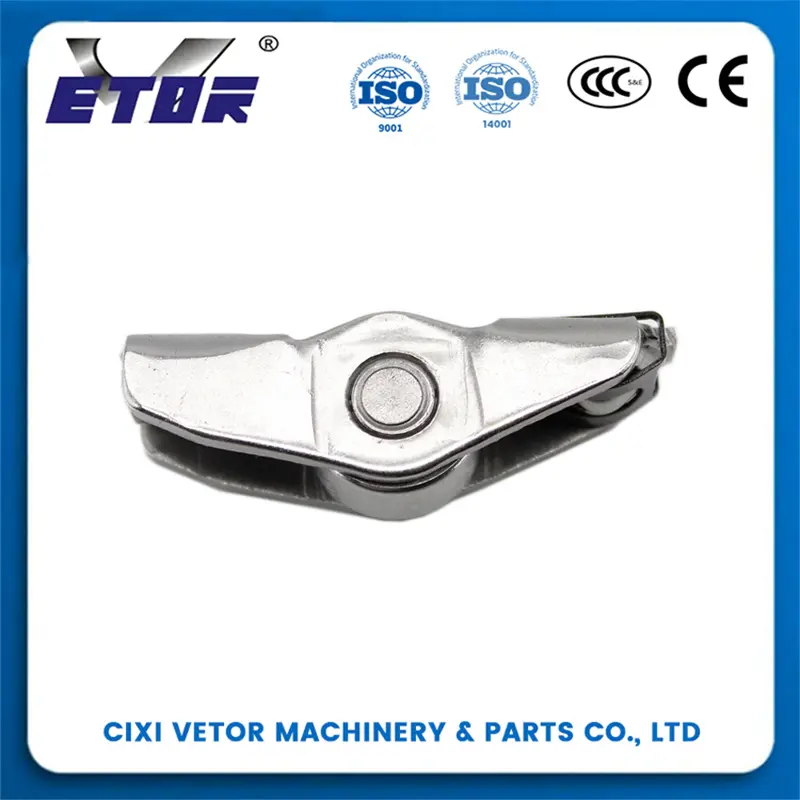
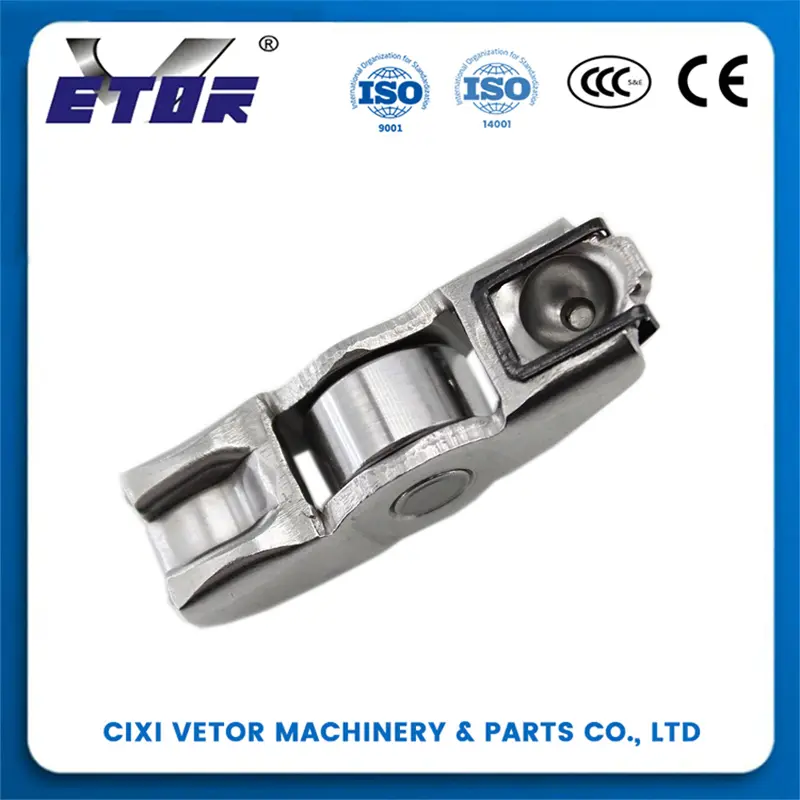
The automotive rocker arm is a key component in the engine's valve train, acting as a pivoting lever. It transmits the motion from the camshaft (via pushrods or directly) to open and close the engine's intake and exhaust valves, ensuring precise timing of air-fuel intake and exhaust gas discharge, which is vital for engine efficiency and performance.
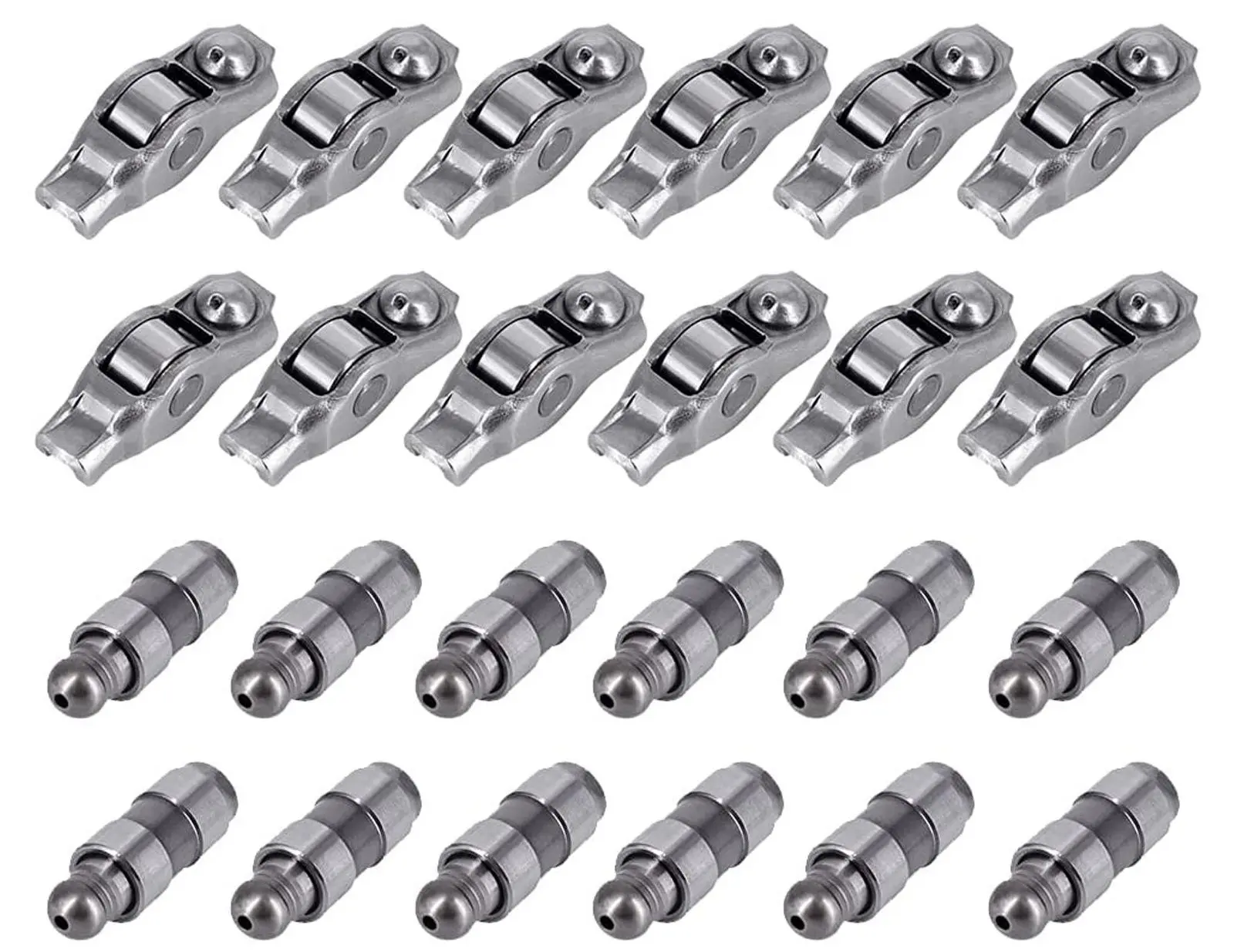
Made of materials like forged aluminum alloy or cast iron, it resists deformation under repeated mechanical loads, maintaining stable valve actuation.
Features a well-machined fulcrum (e.g., roller bearings or bushings) to minimize friction, ensuring smooth rotation and reducing wear during high-speed engine operation.
Aluminum alloy variants reduce overall valve train mass, lowering inertial forces and allowing the engine to operate at higher RPMs without valve float.
It acts as a pivoting lever that transmits motion from the camshaft (directly or via pushrods) to open and close the intake and exhaust valves, ensuring precise timing for optimal engine performance.
They are typically manufactured from high-strength materials such as forged aluminum alloy or cast iron to withstand repeated mechanical loads without deforming.
Rocker arms are designed with well-machined fulcrums, utilizing components like roller bearings or bushings to minimize friction and ensure smooth rotation at high speeds.
They reduce the overall mass of the valve train and lower inertial forces, allowing engines to operate reliably at higher RPMs without experiencing valve float.
Yes. They are integrated into heavy-duty commercial vehicle engines (such as buses and semi-trailers) to ensure reliable valve operation under continuous high-load conditions.
Yes, when applied to gasoline engines of passenger cars and hatchbacks, they enable precise valve control which helps optimize fuel efficiency for daily driving.